


Everest Base Camp Trek Cost: A Line-by-Line Budget for Spring and Autumn 2027
A practical, line-by-line way to budget an Everest Base Camp trek for spring and autumn 2027, covering permits, Lukla flights, guide and porter wages, teahouse costs and the checks to make before you pay anyone.

Ask ten people what an Everest Base Camp trek costs and you'll get ten different numbers, most of them missing a line or two. The flight, the permits, the guide's daily wage, the teahouse bill, the tips, the insurance nobody reads until they need it. This guide walks the whole budget line by line, for spring 2027 (March to May) and autumn 2027 (late September to November), and tells you where to check the live figure yourself instead of budgeting off a number a stranger typed in 2019.
One rule first. Any price you see online for a Nepal trek, including on this site, is a snapshot. Fees get revised, airlines change peak-season routing, teahouse rates move with diesel and demand. Treat every figure below as a structure to fill in, not a quote.
The five blocks of any EBC budget
Almost everything falls into one of five buckets. Get them in the right order and the total stops being mysterious.
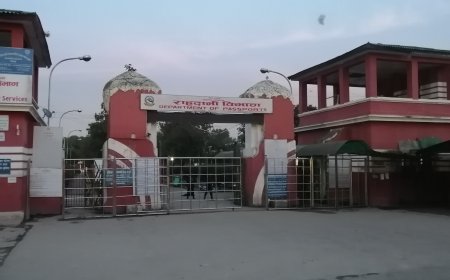
1. Permits. Two permits apply on the standard Lukla route: the Sagarmatha National Park entry permit and the Khumbu Pasanglhamu Rural Municipality local fee. Both are fixed, modest charges, a few thousand rupees each for foreign trekkers in recent years, collected in Kathmandu or at the checkpoints on the way up. There's also the TIMS question: depending on how you're travelling and whether you're with a registered agency, you may or may not need a Trekkers' Information Management System card on this route. Don't guess. Ask the Nepal Tourism Board and TAAN directly, or check with your operator, and get the answer before you budget for it.
2. Getting to the trailhead. This is where budgets swing hardest. The Lukla flight is short and expensive, and in recent years some peak-season flights have been moved to Ramechhap–Manthali, which adds hours of road transfer and an overnight. That diversion has not been a permanent rule; it has come and gone by season. Before you book, check the Civil Aviation Authority of Nepal's notices and your airline's own operating notice for your travel window. Build in a buffer day, and the cost of it. Weather cancellations at Lukla are the most common reason a trek budget grows.
3. Guide and porter. Wages are a daily rate, so the biggest lever is your itinerary length. A licensed guide and a porter for twelve days cost meaningfully more than for nine, and that difference dwarfs most of the small savings people chase elsewhere. Nepal introduced a licensed-guide requirement for foreign trekkers in national parks and conservation areas in 2023. Enforcement has been uneven and the rules have been adjusted since, so confirm the current position with the Nepal Tourism Board or your agency rather than relying on a blog post, this one included. Budget porter insurance and the standard tipping pool as separate lines, not as a vague extra.
4. Food and lodging on the trail. Teahouses generally keep room rates low and make their money on food, and the higher you go the more both cost, because everything arrives on someone's back. Two people sharing a room and eating all meals in-house will spend less than someone ordering off a separate menu. Add hot showers, charging and wifi as a small daily line; they're charged separately almost everywhere above Namche.
5. Everything else. Travel insurance that actually covers trekking above 5,000m and helicopter evacuation, which is a real cost and not a rounding error. Gear, if you're buying rather than renting in Kathmandu. A cash buffer. And a contingency of a few days, because the mountain decides your schedule more than you do.
Spring 2027 versus autumn 2027
Both windows are peak, and both are priced like peak. Spring runs from March into May, with the clearest stretches usually before the pre-monsoon cloud builds. Autumn runs from late September to November, with October typically the busiest fortnight of the year. Demand in the busiest weeks pushes up flights and lodge rates and makes the cheap seats disappear first, so booking early is a budget decision, not just a convenience one. The shoulder edges of each window are noticeably easier on the wallet.
The other seasonal variable is flight reliability. Spring afternoons and the tail of autumn can bring the cloud that cancels Lukla flights. If your dates are fixed, price in the buffer. If they're not, give yourself the flexibility instead of paying for it later.
Build your own number
Rather than copying someone else's total, price your own trek in this order:
- Count your days on the trail, buffer days included, and multiply by guide and porter daily rates from at least three Kathmandu agencies.
- Add the two permits at the rate the issuing offices quote you this month.
- Price the flight, or the road transfer if your window is diverted, for your exact dates, plus one extra night of accommodation at either end.
- Estimate food and lodging per night by altitude band: cheaper below Namche, more above Dingboche.
- Add insurance, tips, gear and a cash buffer.
Three quotes will tell you more than any published average. If one agency is far below the rest, ask what it excludes, because something always is.
Money on the trail
Nepal's rupee is pegged to the Indian rupee, so its rate against the dollar or euro moves with that peg rather than independently. Convert at the Nepal Rastra Bank reference rate for the day you're pricing, not the day you read this. Above Namche, cash is king: ATMs are scarce and unreliable, card acceptance is limited, and the surcharges are real. Carry enough rupees for the upper section, in small notes, and keep a separate reserve.
What to check before you pay anything
Permit rates and which office issues them. Whether a guide is legally required on your route this season. Whether your flight window is operating from Lukla or Ramechhap. Whether your insurance explicitly covers high-altitude trekking and helicopter evacuation, and what altitude ceiling the policy sets. Whether your agency's price includes porter insurance and park fees or lists them as extras.
None of that takes long, and all of it is cheaper than discovering it in Namche.
What's Your Reaction?