



Namche Bazaar: Altitude, Acclimatisation and the Market That Supplies the Khumbu
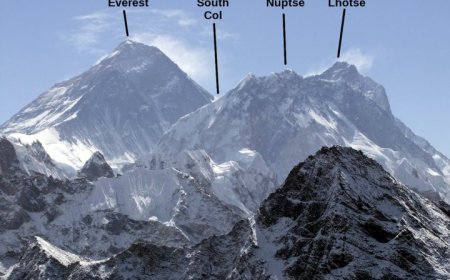
Namche Bazaar is the main hub in the Khumbu, serving trekkers heading toward Everest Base Camp with markets, permits, and acclimatisation opportunities.

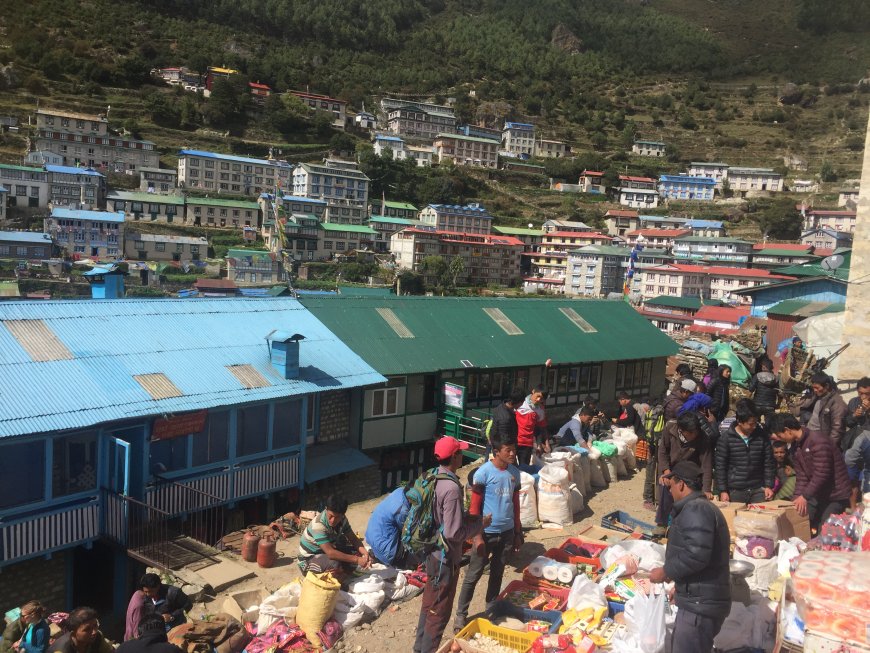
Namche Bazaar sits on a steep horseshoe of terraces above the Dudh Kosi valley in Solukhumbu district. It is the last sizeable settlement before the trail climbs toward Tengboche, Dingboche and the higher Khumbu villages. Most trekkers reach it after two days of walking from Lukla, gaining roughly 800 metres of elevation along a forested path that crosses the park entry checkpoint at Monjo.
Namche Bazaar altitude
The commonly cited elevation for the main bazaar area is 3,440 metres, based on topographic maps and park signage checked in November 2026. No official Survey Department figure was obtained by the verification deadline. Trekkers should treat any single number as approximate; the settlement spans a vertical range of 150 metres or more between its lowest teahouses and the highest ridges used for acclimatisation walks.
Lukla to Namche trek
The walk from Lukla airport follows the Dudh Kosi north through Phakding and Monjo. Spring 2026 and autumn 2026 seasons have ended. Winter 2026/27 (December through February) brings colder temperatures, shorter daylight hours, and a higher chance of snow on the final steep switchbacks into Namche. Flights to Lukla remain weather-dependent; flexibility of two to three days is advisable. Spring 2027 bookings typically open in late 2026.
Namche Bazaar acclimatisation
A rest day at 3,440 metres is standard practice for altitude adaptation. Common day walks include the ridge above the park headquarters toward Syangboche airstrip (about one hour each way, reaching 3,800 metres) and the longer hike to Khumjung and Kunde villages (three to four hours round trip, high point near 3,850 metres). Both allow gradual exposure without sleeping higher. Symptoms such as persistent headache, nausea, or breathlessness at rest warrant descent and professional assessment; this article provides general information only, not medical advice.
Saturday market and supply chain
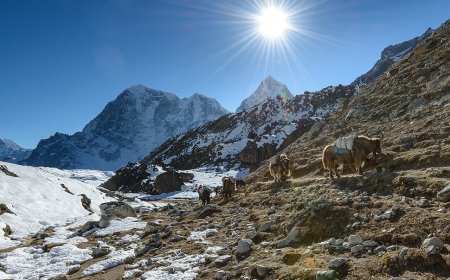
Goods reach the Khumbu by porter, yak train, and helicopter from Lukla. The traditional weekly market day is Saturday, when vendors from surrounding valleys gather near the central chorten. Fresh produce, hardware, trekking gear, and building materials change hands. Prices reflect transport costs that rise sharply above Namche. The market also serves as a social hub where trekking crews, park staff, and locals exchange information on trail conditions.
Park headquarters and permits
Sagarmatha National Park headquarters is located at the top end of Namche, above the main bazaar. An entry permit is required; the current fee and payment method were not confirmed by the Department of National Parks and Wildlife Conservation by the verification deadline. Check the DNPWC website for the latest notice. The park was established in 1976 and inscribed as a UNESCO World Heritage Site in 1979.
Teahouses and seasonal outlook
Accommodation ranges from basic dormitory rooms to private rooms with attached bathrooms. Most lodges operate year-round, though winter menus shrink and heating relies on yak-dung stoves or gas. Electricity is available in common areas, often from micro-hydro or solar with battery storage. Water should be treated or purchased boiled. No verified price table was sourced by the deadline, so specific rates are omitted.
Details checked November 2026.
What's Your Reaction?