






Five, Seven or Ten Days to Annapurna Base Camp: What Each Itinerary Really Buys You
The 5, 7 and 10-day Annapurna Base Camp itineraries are not the same trek at different speeds: they differ in where the walking starts, which detours fit, and how much slack is left for weather and altitude. This piece explains what each length actually buys, why road access up the Modi Khola changes the maths, and what to ask before booking, without quoting fees or access conditions that shift each season.


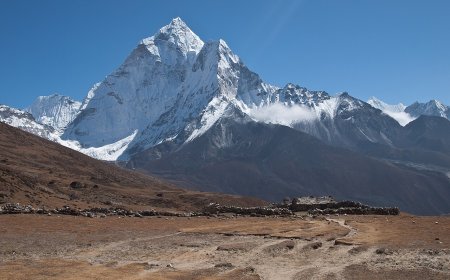
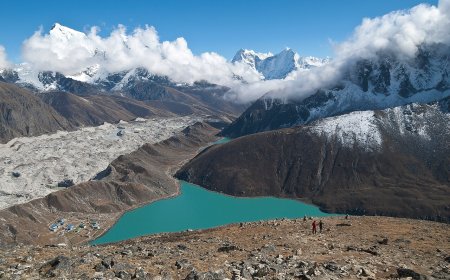
Almost every trekking agency in Pokhara sells the Annapurna Base Camp trek in three lengths: five days, seven days, ten days. On paper they finish at the same place, a glacial basin ringed by Annapurna South, Hiunchuli and Machhapuchhre, with the base camp sitting a little above 4,100 m. In practice the three versions are not the same walk at different speeds. They are different treks, with different start points, different detours and different amounts of slack when something goes wrong.
Here is what actually changes between them, and what you should ask before you pay a deposit.
The variable that decides everything: where day one starts
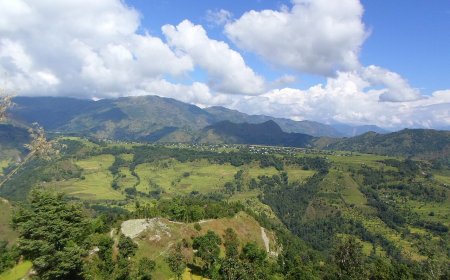
Older itineraries begin walking at Nayapul, on the Pokhara side of the Modi Khola valley. Road construction has pushed vehicle access further up the valley in recent years, towards Siwai and the Jhinu Danda area, and there is also road access on the Ghandruk side. How far a jeep can go shifts with the season, and the monsoon regularly takes pieces of road out.
That is why comparing day counts alone tells you very little. A five-day itinerary usually only works because a vehicle covers the lower valley, or because the operator is quietly quoting long, hard days. Ask the specific question: where do I take my first step, and is that roadhead confirmed for my dates? If the answer is vague, treat the day count as marketing rather than a plan.
The five-day version
This is the compression option. Vehicle to a roadhead, then up the Modi Khola corridor through the rhododendron and bamboo, sleeping at the tea house villages below the sanctuary, into base camp, and back down the same way in two long pushes.
What you give up is fairly predictable. No Ghorepani or Poon Hill side trip. Almost never the Jhinu Danda hot springs, because that detour eats a half day you do not have. No spare day if weather closes in or a road transfer is delayed. And the ascent is fast, which matters more than the distance.
Who it suits: people with decent hill fitness, some altitude experience, and a fixed flight home they are willing to risk. Who it does not suit: a first high-altitude trek, or anyone whose only buffer is optimism. Five days leaves nothing in reserve.
The seven-day version
Seven days is the middle and, for most people, the sensible one. It runs the same corridor but usually buys back one of three things: a staging night at Chhomrong or Jhinu on the way in, the hot springs detour on the way out, or a genuine buffer day. Some operators use it to slow the climb between the lower villages and Machhapuchhre Base Camp, which is where a gentler pace earns its keep.
You still skip the Ghorepani side of the circuit. What you gain is the difference between a trek and a schedule.
The ten-day version
This is where the extra days can go in three directions, and it is worth checking which one you are being sold.
- A side trip. Ghorepani and Poon Hill at the start, or the Jhinu hot springs properly, rather than as a rushed add-on.
- Slower staging. Shorter days, more time in the villages, an extra night at altitude before the sanctuary.
- Real buffer. A day that exists purely so a weather delay or a dodgy stomach does not end the trek early.
A ten-day itinerary that does none of these things is a seven-day trek with three days of padding. Ask which villages you sleep in, and compare that list against a seven-day version. If they are identical, you are paying for nothing.
Altitude is a scheduling problem, not a detail
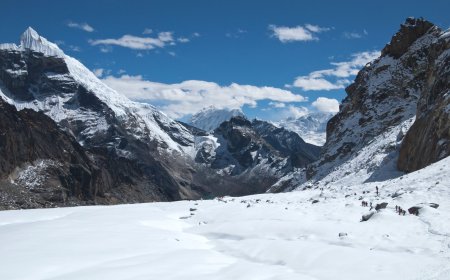
The sanctuary sits above 4,000 m and the walk in gains height quickly whatever itinerary you pick. Acute mountain sickness is the real risk on this trek, and the treatment is descent, not a tablet and a brave face. Learn the symptoms before you go, take the ascent rate seriously, and be ready to turn around.
Two practical points. First, check that your travel insurance actually covers high-altitude trekking and helicopter evacuation, because many standard policies do not. Second, talk to a travel-medicine professional about medication before you leave home rather than taking advice from a tea house conversation.
Permits: two documents, arranged in person
Trekking in the Annapurna Conservation Area requires an entry permit for the conservation area and a trekkers' information card, usually called a TIMS card. Both are normally arranged through the tourism offices in Pokhara or Kathmandu, often by your agency. Checkpoints along the trail do ask for them.
Fees and issuing arrangements change, so confirm the current cost and which counter issues what when you book, and check whether your operator includes the permits in the quoted price or adds them later. Ask in writing.
When to go
Autumn is closing out for 2026. The next big window is spring 2027, roughly March to May, when the rhododendrons are out and the mornings are usually clearer.
Winter is doable but cold, with snow high up and some tea houses shut, and you should expect to lose a day somewhere. Monsoon brings leeches, landslides on the road sections and cloud that hides the whole reason you came. Neither season is impossible, but both make a buffer day essential rather than optional, which pushes you towards the longer itineraries.
Questions worth asking before you book
- Where exactly does the walking start, and is that road access confirmed for my dates?
- What is the highest village we sleep in before base camp?
- Which days are buffer, and what happens if we lose one?
- Are permits included, and which ones?
- Guide, porter or both, and what is the evacuation plan?
The honest summary: the five-day trek is a fast, fit-person's version of a route that has become shorter mostly because of roads. Seven days is the version most people should book. Ten days is worth the money only if the days go somewhere you actually want to be. Conditions on the ground shift every season, so confirm the current start point and permit details locally before you set out.
What's Your Reaction?