


Mahottari District: Where the Hills Meet the Plains
A practical guide to Mahottari District in Madhesh Province: reaching Jaleshwar and Bardibas via the BP Highway, the Bhitthamore border crossing, Maithili daily life and festivals, local transport, food and lodges. Population figures are attributed to the census year they actually come from rather than presented as current.

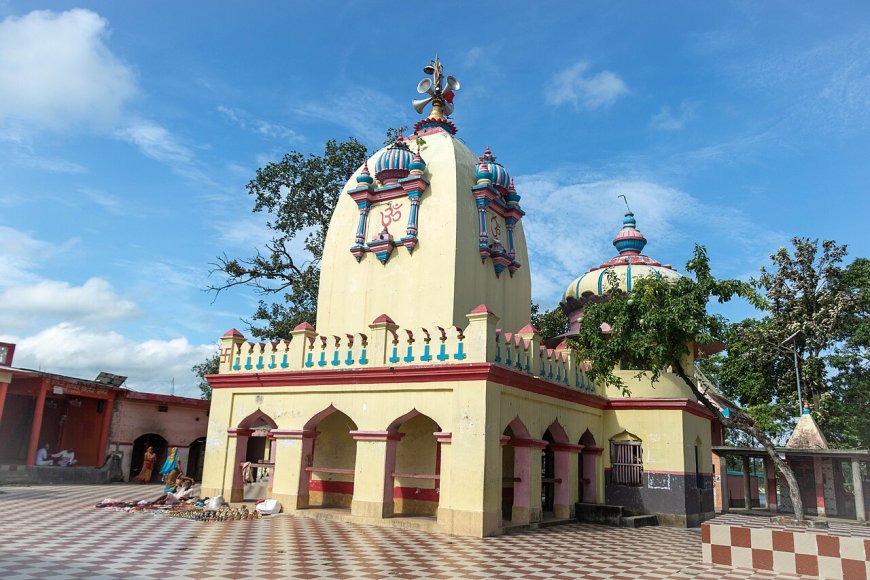
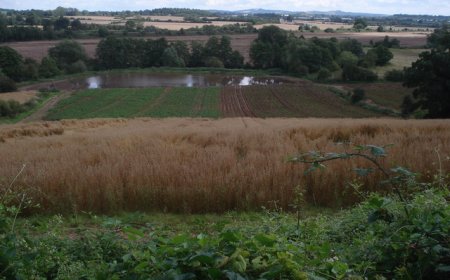
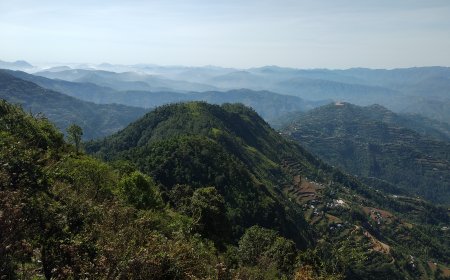
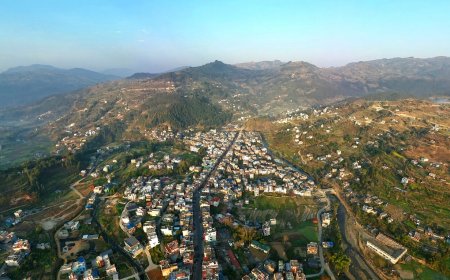
Mahottari District lies in Madhesh Province, in the belt where the Chure foothills flatten out into the northern Terai plains. It is a compact district, a little over a thousand square kilometres, and Jaleshwar serves as its headquarters. Administratively it is divided into municipalities and rural municipalities, from the larger towns such as Jaleshwar, Bardibas, Gaushala, Matihani and Samsi to rural units like Pipra and Ekdara in the north.
A note on the population figures you will run into online. The 2011 census recorded 627,580 people in Mahottari. The 2021 census counted a higher total, and any number presented as the district's current population is worth checking against the National Statistics Office's published tables rather than a travel page.
How to reach Mahottari District
Driving south from Kathmandu on the BP Highway, the landscape shifts. Pine and sal give way to mango orchards, then to open fields where rice stalks catch the light. Bardibas is where the highway meets the plains, and for plenty of travellers it feels like the end of the journey. It isn't quite. Jaleshwar lies a further stretch south, so leave time for that last leg instead of assuming the bus stops at Bardibas.
The highway turned what was once a full-day slog from Kathmandu into a half-day drive, though monsoon landslides and dry-season dust still dictate the actual pace. Buses leave Kalanki and Koteshwor through the day; the earlier you depart, the better your odds of clearing the hills before the weather turns. From the east, the East-West Highway connects through Dhalkebar, a junction that sees steady truck traffic and the occasional passenger jeep headed for the border.
Bhitthamore border crossing
Bhitthamore sits south of Jaleshwar, a crossing into Bihar used mainly by locals and cross-border traders. Pedestrians and cyclists move through most daylight hours; vehicles face stricter documentation checks. Carry your citizenship card or passport, and if you're on a bike, the registration book. Rules shift without notice, so ask at the last tea stall before the gate.
Jaleshwar: Mahottari's headquarters town
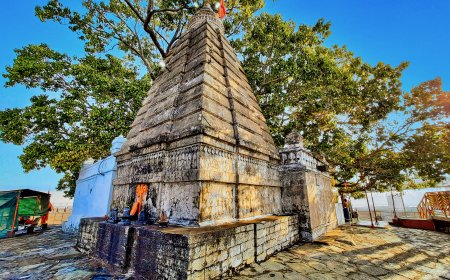
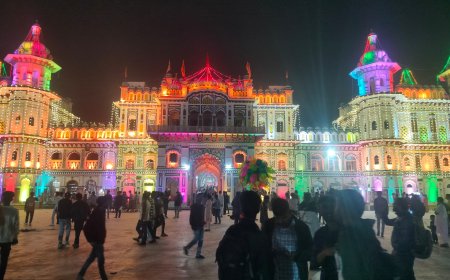
Jaleshwar grows around the Jaleshwar Mahadev temple, a Shiva shrine built around a natural spring that feeds the sanctum pool. The water never dries, even in April heat. Locals attribute it to the deity's presence, hydrologists to a confined aquifer. Either way, the complex draws pilgrims year-round, swelling dramatically during Shivaratri and the month of Shrawan. Maithili echoes through the bazaar; Hindi and Nepali follow close behind. Government offices cluster near the temple square, which makes this the administrative heart of the district.
Markets here sell more than religious paraphernalia. Look for makhana (fox nuts) harvested from district ponds, fresh-water fish prepared Maithili-style with mustard paste, and the distinctive thekua biscuits that appear during Chhath. Guesthouses cluster near the bus park: basic rooms, shared bathrooms, owners who'll point you toward a home-cooked thali if you ask.
Bardibas: highway junction and market town
Bardibas Municipality stretches along the highway where the Chure foothills flatten. It's a working town: hardware shops, tyre repair, restaurants serving dal-bhat to truck drivers at three in the morning. A weekly haat bazaar spills onto the service road, with vegetables from nearby farms, second-hand clothes, plastic buckets, the occasional goat. If your bus breaks down here, you'll eat well while waiting.
The municipality office issues local permits and can clarify ward boundaries if you're heading to village homestays in northern rural municipalities like Pipra or Ekdara. Mobile coverage is generally reliable in town; data speeds drop inside concrete buildings but recover out on the highway shoulder.
Maithili language and daily life in Mahottari
Maithili isn't just spoken here, it structures the day. Morning greetings, market negotiations, temple chants, radio programmes: the language carries its own calendar. Festivals follow the lunar cycle, so dates shift each year. Chhath arrives six days after Diwali, when families gather at pond banks before dawn. Holi stretches for days in the villages, not hours. If you're travelling during a festival, expect altered transport schedules and full guesthouses. Ask your host; they'll know the rhythm better than any calendar.
Getting around Mahottari District
Shared jeeps and tempos link Jaleshwar, Bardibas and the larger municipalities such as Matihani, Samsi and Gaushala. Fares are posted on windshields in Devanagari; photograph the board if you can't read it. For smaller villages, motorbike taxis wait at chowks. Settle the rate before you mount, and treat any figure you read online as a starting point for negotiation rather than a fixed price, since fuel costs move. Bicycles can be rented in Jaleshwar bazaar for day trips to nearby ponds and temples.
Where to stay in Jaleshwar and what to eat
Jaleshwar's lodges are unpretentious: dormitory beds and simple rooms with attached bath, mostly clustered near the bus park. Rates are low by Kathmandu standards but move with the season, so ask before you commit and check whether backup power for lights and phone charging is included. Occasional storm and maintenance outages still happen.
Food is reliably vegetarian near the temple: dal, rice, seasonal greens, pickles. Meat appears in Bardibas highway dhabas and in some village homes, if you're invited. On water, carry a filter bottle or buy sealed jars. The spring water at the temple is considered sacred; drinking it is a personal choice.
Planning your Mahottari District visit
Mahottari rewards travellers who move at its pace. The district doesn't package itself for tourism: no guided tours, no ticketed attractions beyond the temple. What it offers is access to a living Maithili culture, to the geography where hills dissolve into plains, to the rhythm of a borderland that has absorbed migrants, traders and pilgrims for centuries. Come with time, curiosity and a willingness to ask directions. The answers will come in Maithili, Hindi or Nepali, sometimes all three in one sentence.
Related reading: Jaleshwar Mahadev Temple | BP Highway: Kathmandu to the Terai | Madhesh Province Travel Guide
What's Your Reaction?