



Sleeping and Eating on the Annapurna Base Camp Trek: A Teahouse Guide, Village by Village
A village-by-village look at teahouse rooms, menus and extras along the Annapurna Base Camp corridor in autumn 2026, with qualitative cost bands instead of unverifiable price tables and practical notes on peak-season pressure above Chhomrong.

Autumn 2026 is underway as this is written, and the ABC corridor is in its busiest stretch of the year. Winter will thin the traffic, and spring 2027 will fill it again. Whatever season you walk in, two things shape your day more than the views: where you sleep, and what you eat. This guide covers both, in walking order, with an honest note about prices at the end.
What a teahouse night actually gets you
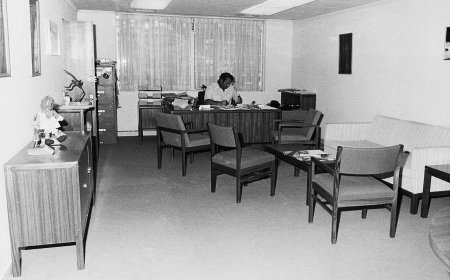
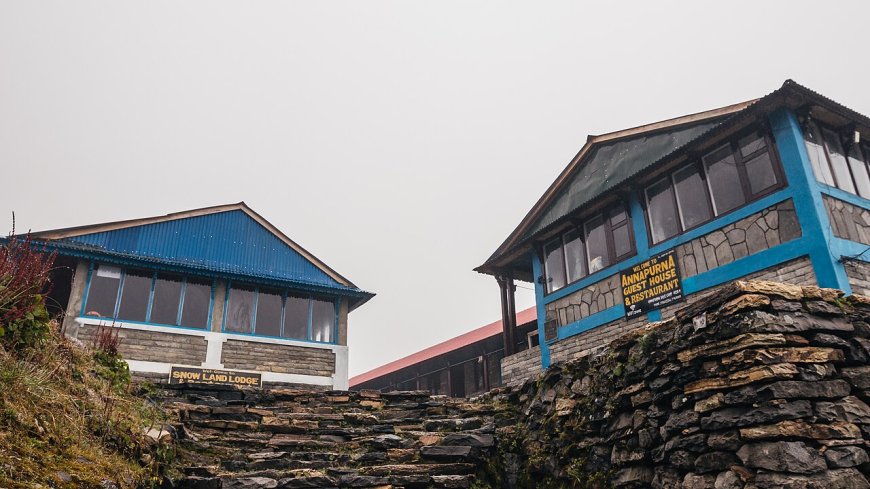
Forget the lodge lobby. A room on this corridor is usually a plywood box with two beds, a foam mattress, a pillow and a blanket or two. Walls are thin enough that you will hear your neighbour turn over. Bathrooms are shared and the hot water, where it exists, is a paid extra rather than a tap.
The dining hall is the real living room. It is the only heated space, food is cooked to order, and everyone on the day's walk ends up in it. That is where you eat, charge things, dry socks and swap information about the next day's trail.
One practical habit: many lodges keep the room cheap on the understanding that you eat dinner and breakfast there. Ask when you arrive, before you drop your pack. It is a fair arrangement and it keeps small places running.
Walking order, and what changes as you climb
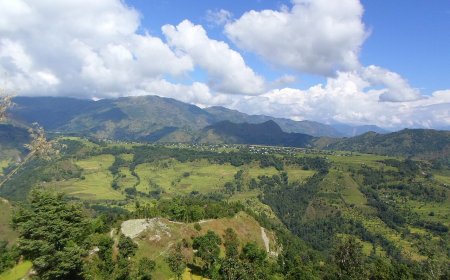
Most trekkers reach Chhomrong either from Ghorepani and Tadapani or from Jhinu Danda. Above Chhomrong the pattern is steady: Sinuwa, Bamboo, Dobhan, Himalaya, Deurali, Machhapuchhre Base Camp, then the sanctuary itself at Annapurna Base Camp. Each step up is a step away from the road, and the supply chain is the reason the menu and the room quality shift.
Chhomrong and below
Chhomrong is the last big village before the climb proper, and it has the widest choice of lodges, shops and menu items you will see for days. If you have forgotten something small and edible, sort it here. Below Chhomrong, in Ghorepani, Tadapani and Jhinu, the lodges are larger, rooms are likelier to have attached bathrooms, and prices are at the lower end of the corridor.
Sinuwa, Bamboo and Dobhan
These are the middle rungs. Sinuwa sits in two clusters along the ridge, Bamboo is damp and shaded by forest, and Dobhan is small enough that beds can run out on a busy night. Rooms get simpler, the menu gets shorter, and hot showers start to be a line item rather than a given.
Himalaya, Deurali and above
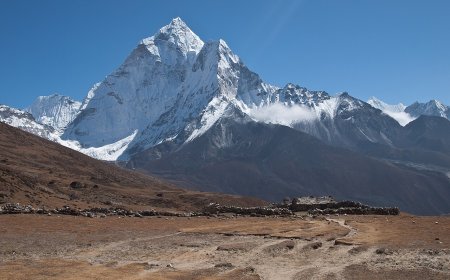
Past Dobhan you are in cold, high country where everything on your plate was carried up by porter or pack animal. Himalaya and Deurali are the last comfortable staging points before the climb to base camp, and their dining halls are warm but their menus are short. Machhapuchhre Base Camp and Annapurna Base Camp itself sit at the top of the ladder: a handful of lodges, the barest rooms, the thinnest menu and the highest prices on the trek. In the coldest weeks some of these upper lodges shut altogether, and the ones that stay open carry less stock.
The food: dal bhat and what sits beside it
Dal bhat is the backbone of trekking food on this route and the best value on any menu, because refills are usually offered and nobody minds a second helping. It is also the meal that survives the supply chain best, since rice, lentils and vegetables travel well.
Around it you will find noodle soup, fried rice, momo, potatoes in several forms, eggs, porridge, pancakes and a surprisingly persistent bakery counter in the bigger villages. Vegetarian food is easy to find; strict vegan eating is possible but narrows sharply above Deurali. Garlic soup appears on nearly every menu, and it is a pleasant, warming thing to order on a cold evening. Treat it as soup, not as medicine.
Portions can be modest at altitude and appetites often shrink, so order what you will finish rather than what you think you should eat. And expect a wait. Food cooked to order in a cold kitchen takes time.
Showers, charging and the small extras
Hot showers and device charging are almost always charged separately up here, and both cost more the higher you go. Electricity comes from solar or micro-hydro, which means capacity is finite and shared: charge during the day when the sun is doing the work, and carry a power bank so you are not dependent on a single socket.
Boiled water from the lodge is the usual way to refill a bottle, and it is priced accordingly. Ask for it at breakfast, when the kitchen is already boiling water anyway.
Peak autumn pressure, and how it moves up the hill
In the busiest autumn weeks, pressure lands on two things: rooms and hot-water capacity. Lower villages absorb it easily. Higher up, where a village has three lodges and a hundred walkers want beds at four in the afternoon, allocation becomes first-come and pricing stops being a conversation. Arriving early, walking shorter days at the top end, and accepting the first decent room you are shown will save you a cold evening.
What it costs, and why there is no price table here
Menu boards and rate cards on this corridor are handwritten, seasonal and revised without notice. Rather than print figures we cannot stand behind on the day, here is the shape of it: prices sit at the lower end in the Ghorepani and Chhomrong area, step up through Sinuwa, Bamboo and Dobhan, and reach their highest at Himalaya, Deurali, Machhapuchhre Base Camp and Annapurna Base Camp. Extras like showers, charging and boiled water follow the same curve.
Treat every price you are quoted at the lodge as the one that counts, and carry cash in small notes, since card payments are unreliable once you are above the road. The descriptions here reflect autumn 2026 conditions; confirm locally on the day.
Eating well without fuss
Keep it simple. Eat a proper breakfast, carry something small for the middle of the day, order dal bhat when you want volume, and drink more than you feel like drinking. Buy what the village actually has rather than what you hoped for, and pay what the board says without haggling over a cup of tea. The lodges on this route are family businesses working a short season in hard country, and the food is better when nobody is in a bad mood.
What's Your Reaction?