







When Is the Best Time to Visit Annapurna Base Camp? A Season-by-Season Trade-Off Guide
Autumn and spring give the most reliable weather for Annapurna Base Camp. Compare each season's trade-offs, from crowds to cold to monsoon mud.

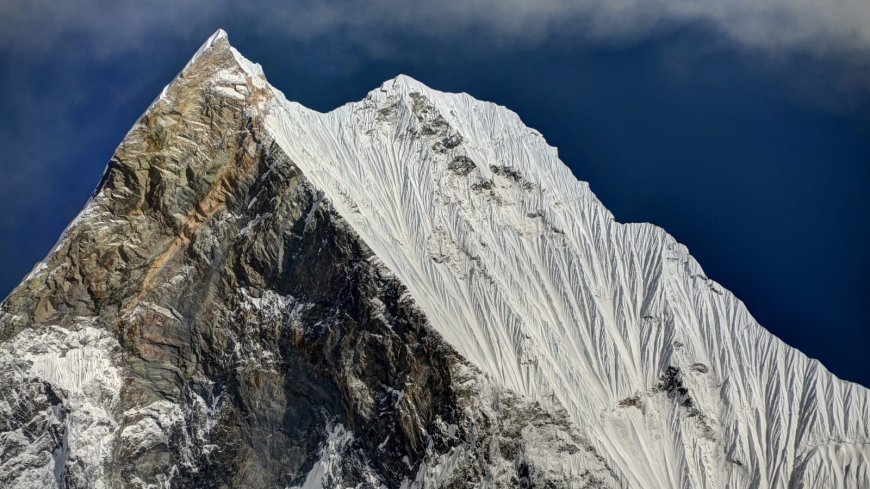
Ask five trekkers when to walk to Annapurna Base Camp and you will get five answers, usually shaped by the weather they happened to get. The honest version is that there is no single best month. There is a best month for you, and it depends on what you are willing to trade: settled skies, thinner crowds, lodges that are actually open, or stone steps that are not slick with monsoon runoff. Treat this as a decision aid rather than a calendar.
There Is No Best Season, Only a Best Fit
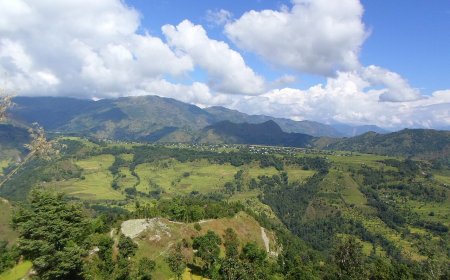
Nepal's trekking year runs on a fairly steady rhythm. A dry, bright stretch after the monsoon, a cold quiet stretch in midwinter, a warm and sometimes hazy spring, then a wet summer most people avoid. The Annapurna Sanctuary sits in a bowl ringed by high ridges, so it catches weather from more than one direction and can turn before a forecast catches up. Two treks in the same week can feel like different seasons.
Read the sections below as tendencies, not promises. Build in a spare day or two if your schedule allows it.
Autumn: The Best Time to Visit Annapurna Base Camp for Clear Skies
October and November are the months most operators point to first, and for good reason. The monsoon has cleared, the air is usually sharp, and the views from the upper sanctuary are at their most dependable. Days are pleasant at lower elevations and bracing higher up.
The cost is company. Trail traffic peaks, teahouse rooms fill by mid-afternoon, and the popular villages get busy enough that a late arrival can mean a long walk to the next cluster of lodges. Go in autumn and start walking early. Accept that solitude is not the point of the trip.
Spring: Blossom, Warmer Air, Cloudier Afternoons
Spring is the other strong window. Rhododendron forest on the approach is at its best, days are gentler at altitude, and the trail feels less rushed than in peak autumn. The trade is cloud. Afternoons often build up, and a view you were counting on can close in by midday. Snow can still sit on the upper sections early in the season.
Crowds are healthy but generally lighter than autumn, and many trekkers find the mix easier to enjoy.
Winter: Empty Trail, Cold Rooms
December through February brings clear skies and real cold. Lower villages stay comfortable enough, but the higher you go the more the trip becomes about warmth: cold dining rooms, frozen water, thin bedding, mornings that bite. Snow on the upper trail is normal, and route-finding is harder than in dry-season conditions.
This is the quietest window and the one where logistics thin out. Higher-altitude lodges often shut or reduce service, village by village and year by year, so confirm your overnight stops in advance rather than assuming.
Monsoon: Green Hills, Slippery Stone
June to September turns the valleys lush and the waterfalls loud, but it also brings leeches, cloud that sits low for days, washed-out sections, and stone steps that demand attention on every descent. Flights in and out of Pokhara, including the short mountain hops beyond it, are more prone to delay.
Some trekkers do walk it and enjoy the emptiness. Just go with more time, more patience, and no fixed expectation of views. As in winter, lodge availability narrows at the higher stops.
The Shoulder Weeks Are Where the Real Trade-Off Sits
Late September and early December, and again late February into March, tend to offer a genuinely good bargain. Most of the weather of the peak season with noticeably fewer people. You accept more variability. A late monsoon can linger, an early snow can arrive, and the first week of a window often behaves differently from the last.
Shoulder-season trekking rewards flexibility far more than any packing upgrade. If your dates are locked and your buffer is zero, the peak weeks are the safer bet.
How Many Days the Trek Actually Takes
Most Annapurna Base Camp itineraries run about 7 to 12 days of walking, depending on where you start and whether you add Poon Hill. The short versions begin at Siwai or Jhinu and climb fast. The longer ones start at Nayapul or Kande and give the altitude more room. Our Annapurna Base Camp itinerary breakdown lays out the day-by-day options, and the seasonal packing list covers what to change between windows.
Day count is what makes a shoulder week realistic or not. Reading this in early November? A late-November start still works, but you will be walking into shorter days and harder nights. Ten days of walking plus travel days puts you close to the winter edge. Seven or eight sits more comfortably.
What the Altitude Bands Actually Feel Like
Annapurna Base Camp sits at roughly 4,130 m. Published figures differ by a few tens of metres depending on the survey, so treat any single number as approximate. Rather than memorise a chart, it helps to think in bands.
The low farmland and river valleys are warm and humid much of the year. Mid-elevation villages are comfortable by day and cool at night, and this is where most of your walking days sit. Higher up, the forest thins, the air dries, and evenings turn properly cold even in the good seasons. Above the treeline it is cold at night in any month, wind is the deciding factor on exposed stretches, and the monsoon leaves its mark as damp and mud rather than heat.
Permits and the Guide Question: Confirm Before You Book
Entry to the Annapurna Sanctuary area requires the Annapurna Conservation Area Project (ACAP) permit and a Trekkers' Information Management System (TIMS) card. ACAP is run by the National Trust for Nature Conservation, so ntnc.org.np is the source to check for the conservation-area permit. TIMS cards are handled through the Nepal Tourism Board and registered trekking agencies. Fees and processes change, and this article deliberately does not quote them. Confirm current requirements and cost with those bodies before you travel. Our permit guide covers the paperwork in more detail.
On guides: in 2023 Nepal introduced a licensed-guide requirement for trekkers in certain protected areas. Whether and how it applies to your route today is something to confirm with the official source before booking, not something to assume from an old blog post.
Tea Houses and Trail Conditions Change Year to Year
Lodge openings are not a fixed calendar. Higher-altitude teahouses typically thin out or shut in deep winter and peak monsoon, then reopen as the season turns, but the pattern shifts by village and by year. Ask your operator or the lodge directly for the dates you plan to be there.
Altitude and Evacuation: The Part You Cannot Improvise
Gain height slowly, take rest days, and treat headache, nausea, poor sleep and breathlessness at rest as reasons to stop and descend rather than push on. Altitude illness can become serious quickly. See a doctor before you go if you have a relevant health condition, and trek with a qualified guide who can make that call for you.
Helicopter evacuation, where it happens, is arranged through insurance providers and operators, depends on weather and aircraft availability, and is never guaranteed. Read your policy for altitude limits before you leave and keep the emergency contact details with you.
Planning Your Annapurna Base Camp Window
As of early November 2026, the remainder of autumn is short and cooling. You could still start a trek in the next few weeks, but you would be walking into shorter days and colder nights with little room for a weather delay. The next full window is spring 2027, and late February into March is the flexible option if you want the scenery without the peak crowds.
Dashain and Tihar fall in autumn each year and their dates shift with the lunar calendar, so check the official Nepali calendar before fixing flights around them. Then pick your window by the trade-off you can actually accept, confirm permits and guide rules with NTNC and the Nepal Tourism Board, and leave a little slack in the plan. That combination gets more people to Annapurna Base Camp happily than any forecast does.
What's Your Reaction?