




Is Nepal Safe to Visit in 2026–27? A Risk-by-Activity Answer With Dated Sources
A risk-by-activity answer to whether Nepal is safe to visit in the 2026–27 season, covering advisories, trekking and altitude, permits, Kathmandu and Pokhara city risk, and insurance with rescue cover — with a dated source list and no borrowed statistics.

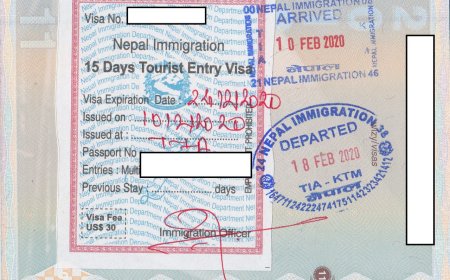
Verdict, sources checked 23 November 2026: most travellers visit Nepal without serious incident, but 'safe' depends entirely on what you plan to do. City travel, road transfers, domestic flights, high-altitude trekking and monsoon-season hiking each carry a different risk profile, so this page answers them separately rather than with one reassuring sentence. Nothing here replaces the official advisories. Re-check the dated sources below before you book.
Not medical or legal advice and not a substitute for official government advisories; conditions change, so check the dated sources linked at the bottom before you travel.
Is Nepal safe to visit? The short answer
The honest version is that risk in Nepal is specific, not general. A week of Kathmandu cafes and the Pokhara lakeside in October is a completely different trip from a February crossing of a high pass. Treat them as one question and you end up either frightened of nothing or badly unprepared for something.
So the rest of this page splits the answer by activity: what the advisories actually say, trekking and altitude, city risk, and insurance and rescue. Each section names the primary source to open rather than copying its contents.
Nepal travel advice: four advisories, read at the source
Four governments publish formal advice on Nepal: the UK's FCDO, the US State Department, Australia's Smartraveller and Global Affairs Canada. Each gives an overall level of advice plus regional warnings, and they do not always agree. That disagreement is normal and usually reflects different weighting rather than one of them being wrong.
We deliberately don't reprint the current level numbers. Levels move, and a number copied onto a blog without the page's own updated line is worse than no number at all. Open each page, read the level, and note the date printed on it. If two differ, read the area-specific wording underneath before picking a favourite.
Recurring themes across all four are road conditions, monsoon landslides, trekking and altitude risk, and occasional transport disruption. Treat that as the shortlist of things worth planning around.
Nepal trekking safety: altitude first, then permits
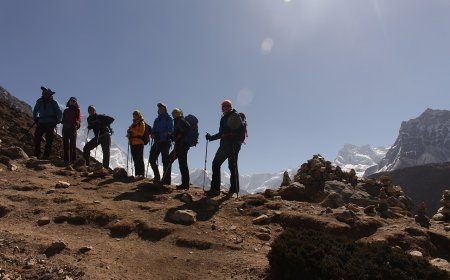
Altitude illness is what ends treks, and it is the reason to build rest days into the itinerary instead of treating them as lost time. The CDC's Nepal travellers' health page sets out the symptoms and the recommended response, and every reputable operator repeats the same logic: ascend slowly, sleep low, and turn around if symptoms get worse rather than pushing for the pass. None of this is medical advice; if you feel unwell at altitude, descend and get seen.
Two permits matter. The TIMS card is issued through the Nepal Tourism Board system and covers trekkers on most routes. On top of that you need the protected-area permit for your particular route: a Sagarmatha National Park entry permit plus the Khumbu Pasanglhamu Rural Municipality fee in the Everest region, or an Annapurna Conservation Area Permit on Annapurna routes.
No fee figures here. The NTB and DNPWC pages don't always state the same thing, and the rule we hold to is that a fee has to be read off one of those pages on the day you pay it. Check both, note each page's date, and budget slightly above what you see.
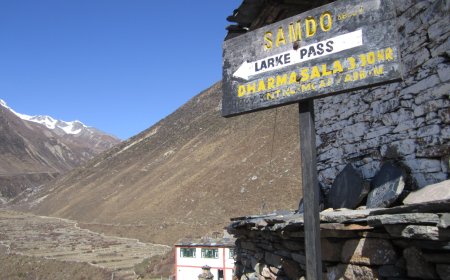
Trails also change. A route described in a 2023 blog may now divert around a landslide. Ask at a lodge or a guide office before committing to a variant. And if your trek starts with a flight into Lukla or another mountain strip, remember those flights are weather-dependent and cancel often, so build buffer days into the end of the trip, not the start.
Kathmandu safety, and Pokhara while we're here
Crime is not the main hazard in Kathmandu. Traffic is. Crossings are informal, pavements are uneven, and motorbikes don't slow for pedestrians. Air quality gets genuinely bad through the dry winter months, which matters if you have asthma or are travelling with a young child.
Add occasional political strike days that shut roads, plus the ordinary small-city risk of bag snatching around crowded tourist districts. Pokhara is calmer and easier to walk, but the highways in and out carry the same road conditions as everywhere else.
Practical mitigations: don't ride pillion without a helmet, do long road transfers in daylight, glance at local news each morning, and pack a mask for winter.
Nepal travel insurance and rescue
Helicopter evacuation from a trek is expensive, and the bill lands on you if the policy excludes what you were doing. The clause that catches people is the altitude ceiling. Plenty of standard travel policies stop cover at a stated altitude, and the Everest and Annapurna routes go well above most of them.
Read the policy page itself rather than a comparison article. Look for four things: the altitude limit, whether helicopter evacuation is included and who authorises it, exclusions for pre-existing conditions, and the medical limits. World Nomads publishes a Nepal-specific page, which makes it a sensible starting point for comparison, but check the wording rather than assuming.
One more thing worth knowing: some policies require you to call the insurer's assistance line before rescue is arranged, and lodges and guides will want payment or a guarantee up front.
What would change this answer
Three things. A new or upgraded advisory following a specific incident. A change to permit rules or fees. And the monsoon, which turns trails and highways into landslide country every summer, so any route advice you read needs checking against the season you'll actually be there. That's why this page stops at the current window instead of guessing what next season looks like.
Sources checked 23 November 2026
UK FCDO Nepal advice: gov.uk/foreign-travel-advice/nepal. US State Department: travel.state.gov Nepal country page. Smartraveller: smartraveller.gov.au/destinations/asia/nepal. Global Affairs Canada: travel.gc.ca/destinations/nepal. Visa rules: immigration.gov.np. Permits: ntb.gov.np, dnpwc.gov.np, timsnepal.com. Health: wwwnc.cdc.gov/travel/destinations/traveler/none/nepal and who.int/nepal. Insurance wording: worldnomads.com/travel-insurance/nepal. Open each one and check its own updated date, because ours is only as fresh as today.
What's Your Reaction?