





Nepal Flood Relief After the October 2026 Floods: Where to File a Claim
A practical route through Nepal's flood relief paperwork after the late September and early October 2026 floods: which office handles your claim, from ward to municipality to DAO to NDRRMA, which documents each type of assistance needs, and how to check current guidelines and contacts yourself. Figures and rules checked October 2026.

Rules, offices and websites mentioned below were checked in October 2026. Guidelines and office arrangements change, so reconfirm with your ward, municipality or DAO before travelling to an office.
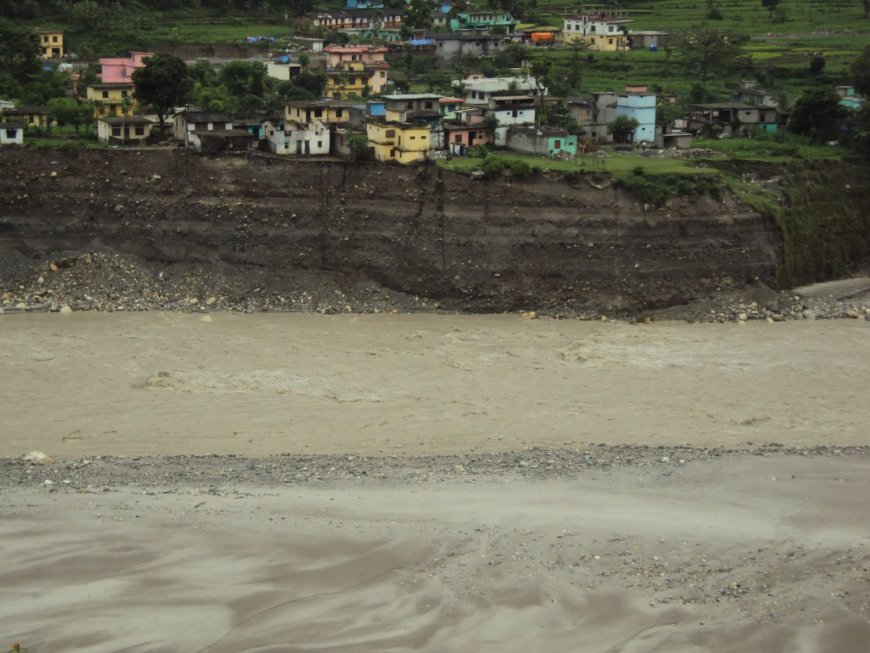
The floods of late September and early October 2026 left households across several districts dealing with damaged homes, displaced families and lost documents. Learning that relief exists is rarely the problem. Working out which office owns your case, which papers it wants, and what to do when a counter goes quiet is where people get stuck.
This guide maps that route. It deliberately does not quote relief amounts or eligibility limits. Those are set programme by programme and district by district, they get revised, and a figure lifted from a news report can send you to the wrong counter carrying the wrong expectations. What follows is the administrative chain, plus a way to check the current rules yourself.
Nepal flood relief in October 2026: what can be confirmed
Flooding in late September and early October 2026 hit districts in several provinces, and relief distribution is still running. Past that, the numbers move. Casualty counts, missing-person totals and household assistance figures get revised between one official update and the next, and different agencies publish different numbers on different dates.
Rather than pin a figure here that goes stale within days, treat the National Disaster Risk Reduction and Management Authority (NDRRMA) and the Ministry of Home Affairs as the sources of record and read their latest updates directly. If a number you see elsewhere carries no date and no issuing office, don't plan around it.
The Nepal flood relief application chain: from ward office to NDRRMA
The federal structure decides who handles what, and a file usually moves up one rung at a time. Skipping a rung normally just means being sent back down.
1. Ward office
The ward is the lowest unit of local government and almost always the first place an affected household registers. Ward staff know the neighbourhood, so they are the ones who verify that a damaged house or a displaced family is where the application says it is. Many programmes will not move a file upward without that local verification.
Go in person if you can. Ask what the ward is currently collecting for flood-affected households, and ask them to note the date you filed.
2. Municipality or rural municipality
Wards sit inside a municipality (nagar palika) or rural municipality (gaun palika), so the ward's verification lands at that office next, not at the district. Under Nepal's disaster management framework, local disaster management committees operate at this level, and in many places the municipality or rural municipality holds its own budget line for emergency relief: tarpaulins, food, sometimes small cash support. If your claim is one of those, the decision genuinely sits here, and going straight to the DAO often just gets you redirected back.
Desk names vary. Ask for the disaster management focal person, or whichever section handles disaster and social development in your palika. That is also the office to chase if the ward verified your file and nothing moved afterwards.
3. District Administration Office (DAO)
The DAO sits at the district headquarters, is headed by the Chief District Officer, and handles district-level relief. When a programme is funded or coordinated at district level, the file passes up from the municipality to the DAO. Districts hit by major disasters usually run this work through a District Disaster Management Committee, so when you call, ask specifically which desk is handling flood relief this month.
Most districts have their own DAO website, but domains get typed wrong and old ones linger. Search for the DAO by district name instead of relying on an address you half remember, and if the site hasn't been updated in a while, a phone call or a visit is faster than guessing which form is in use.
4. NDRRMA
The National Disaster Risk Reduction and Management Authority publishes national guidelines and programme notices, and it is the body to watch if a central relief scheme or application window opens. Check ndrrma.gov.np for published procedures before assuming a national programme applies to you.
Flood relief documents you will probably be asked for
The exact list depends on what you are claiming, since emergency shelter, food support, cash assistance, injury claims and reconstruction each pull different paperwork. Here is the common set, tagged to the claim type it usually serves.
- Citizenship certificate: identity, asked for with every claim type.
- Household registration details: every claim type, to show who lives in the house.
- Land ownership certificate (lalpurja): property damage and reconstruction claims.
- Death certificate: where a family member died in the floods.
- Medical reports: treatment and injury claims.
- Bank account details: cash transfers, and the account should be in your own name.
- Photographs of the damage: damage verification for shelter and reconstruction claims.
- A written application: every claim type, though some offices issue their own form.
Treat that as a starting point to check against your ward or palika's current instructions, not as an official list. Requirements differ between districts and between programmes, and they change. If you cannot get it in writing, write down the name of the person who told you and the date.
If the ward, municipality or DAO does not respond
Give it a reasonable window, then escalate in this order: your local elected representative, who can raise the file directly with the ward or municipality; the Chief District Officer's office, which oversees the DAO; and NDRRMA, which fields complaints about relief delivery. NDRRMA publishes its current contact and helpline details on its own site. Use those rather than a number saved in your phone from a previous year.
Checking NDRRMA guidelines and flood relief notices yourself
Three sources are worth bookmarking: ndrrma.gov.np for national guidelines and contact details, moha.gov.np for Ministry of Home Affairs notices, and your own district's DAO site. When a figure or a rule turns up anywhere else, look for the date it was announced and the office that announced it. If neither is stated, don't rely on it.
One distinction that trips people up: the Nepal Red Cross Society (nrcs.org) is a humanitarian auxiliary, not a government relief office. It runs its own programmes and can sometimes point you in the right direction, but it does not process government compensation claims.
Some offices move faster than others, and you cannot control that. What you can control is filing at the ward early, keeping copies of everything you hand over, and noting who you spoke to and when. That record does more for a stuck case than any number you read online.
What's Your Reaction?