












Nepal Microfinance and Small‑Business Loan Programs: 2024 Policy Snapshot
A concise overview of the microfinance and small‑business loan rules Nepal introduced in 2024, including interest‑rate caps, a digital application portal, eligibility requirements, agricultural loan provisions, application steps and early signs of improved financial inclusion. All figures reflect 2024 policy; verify current regulations before applying.


Understanding Nepal’s microfinance framework helps entrepreneurs and farmers decide where to look for credit. The rules described below were issued in 2024; they may have been amended since, so always check the latest Nepal Rastra Bank circulars before applying.
Key Policy Updates from 2024
Interest‑rate caps
In March 2024 the central bank published a notice that set a maximum annual rate for micro‑finance loans up to a defined ceiling. The cap is intended as a consumer‑protection ceiling, not a typical market rate.
Digital application portal
A new online portal went live in June 2024, allowing borrowers to upload documents, track the status of their request and receive disbursements electronically. The platform reduced processing time for both new and returning clients.
Eligibility and documentation
Applicants must be Nepali citizens between 18 and 65, hold a valid identity document (national ID or passport) and present a viable business plan. For a small‑business loan the annual turnover limit is modest. Required paperwork includes a recent bank statement, a tax identification number and a signed consent form; agricultural borrowers also need a land‑ownership certificate and a farm plan.
Agricultural loan details
An expanded agricultural loan quota was announced in April 2024, targeting a larger pool of funds for the fiscal year. Loans can cover seed purchase, irrigation equipment or livestock, with repayment schedules aligned to harvest cycles. Borrowers must supply a land‑use certificate and a detailed farm plan.
How to apply for a small‑business loan
Step‑by‑step process
- Register on the NRB digital portal and create a user profile.
- Upload scanned copies of the required documents (ID, bank statement, tax ID, consent form, land certificate if applicable).
- Complete the online application form, describing the business idea or agricultural activity.
- Submit the application; the system runs an instant verification.
- If approved, funds are typically disbursed within a couple of days; manual applications may take longer.
Interest rates and repayment terms
The 2024 ceiling placed micro‑finance and small‑business rates in a narrow band near the upper limit. Repayment periods range from one to three years for micro‑loans and can extend up to five years for larger agricultural loans, with monthly installments. Early repayment penalties are minimal, encouraging borrowers to clear debt early.
Success stories (illustrative)
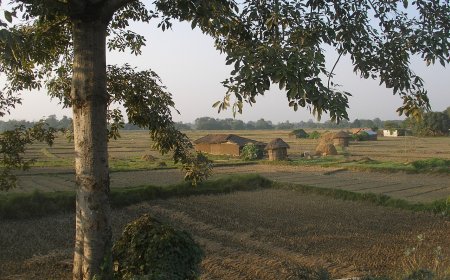
A farmer in Baglung used a micro‑agricultural loan to purchase high‑yield rice seed and reported a noticeable jump in harvest. A tailor in the Terai secured a modest loan through the digital portal, expanded her client base and cleared the debt well before the scheduled term.
Impact on financial inclusion
The 2024 Financial Inclusion Report showed a measurable rise in the share of households with access to formal credit, and women‑owned enterprises experienced a higher approval rate than in previous years. These trends suggest the policy changes helped broaden credit reach, though the current situation in 2026 may differ.
If you are ready to grow your venture, start by reviewing the latest NRB circulars or visit a nearby branch for guidance.
What's Your Reaction?