













Renewable Energy Cooperatives in Nepal: Success Stories and a Step‑by‑Step Guide for Communities
An overview of renewable energy cooperatives Nepal, highlighting successful community solar projects, benefits, policy support, and a clear step‑by‑step guide for establishing a cooperative.


Renewable Energy Cooperatives in Nepal: Success Stories and a Step‑by‑Step Guide for Communities
Renewable energy cooperatives Nepal are a vital component of the country’s energy strategy, turning local initiative into reliable power and new livelihoods. By pooling resources and ownership, communities can drive sustainable energy projects that fit their geography and needs.
Example 1: Sunflower Solar Cooperative
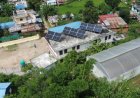
Sunflower Solar Cooperative, a prime example of community solar projects in Pokhara, operates a 50 kW solar mini‑grid that now supplies electricity to about 320 households, covering most of the village’s energy demand. Since its launch in 2022, the cooperative has generated revenue that supports school fees and small‑business start‑ups. The project is backed by a grant from the Green Climate Fund and technical assistance from the Nepal Electricity Authority.
Example 2: Karnali Micro‑Hydro Cooperative
The Karnali Micro‑Hydro Cooperative runs a 120 kW run‑of‑river turbine that supplies reliable electricity to roughly 1,200 residents across three villages. The plant has reduced kerosene use by about 70 % and created 45 permanent jobs in turbine maintenance, fish processing, and eco‑tourism guides. Funding came from member equity, a micro‑loan from a local NGO, and a technical grant from the Asian Development Bank.
Example 3: Sunsari Solar Mini‑Grid Cooperative
In Sunsari, the Solar Mini‑Grid Cooperative has installed a 30 kW photovoltaic system that powers 180 homes and a local health post, achieving 95 % household electrification in the area. The cooperative reports a rise in monthly household income, largely due to new income‑generating activities such as solar‑powered tailoring and mobile phone charging stations. Financial support was provided by the Ministry of Energy’s Rural Electrification Program and a micro‑grant from the United Nations Development Programme.
Benefits for Villages
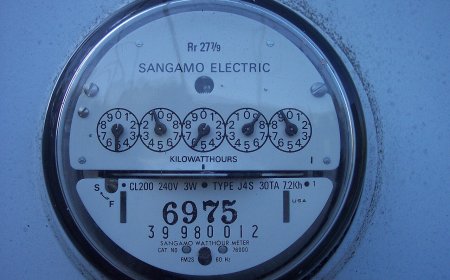
Reliable power from cooperatives means families no longer rely on costly kerosene lamps, cutting household energy expenses by up to 60 %. The steady electricity supply enables small enterprises to operate after dark, creating new income streams and reducing youth migration to cities. Women especially benefit, as access to electricity allows them to run home‑based businesses and participate more fully in community decision‑making, strengthening overall resilience. The reliable electricity from a solar mini‑grid enables families to run home‑based businesses after dark.
Government Policies and Financing
The Government of Nepal promotes cooperative models through the National Rural Electrification Program and the 2023 Renewable Energy Policy, which the Ministry of Energy has introduced to provide subsidies and streamlined licensing for community projects. International financiers such as the Green Climate Fund, the World Bank’s Scaling Solar initiative, and the Asian Development Bank offer low‑interest loans and technical assistance. Local NGOs like Practical Action and the Nepal Energy Institute act as implementation partners, while private investors can provide seed capital through impact‑investment funds.
Step‑by‑Step Roadmap
- Conduct a feasibility assessment – survey energy demand, identify renewable resources, and gauge community interest through meetings and simple questionnaires.
- Register the cooperative – file the registration form with the Ministry of Energy, obtain a legal identity, and draft bylaws that ensure transparent governance.
- Mobilize capital – combine member contributions, apply for micro‑loans from NGOs, and seek grants from the Green Climate Fund or the Rural Electrification Program.
- Choose technology – evaluate solar PV, micro‑hydro, or hybrid systems based on site conditions, resource availability, and cost‑benefit analysis.
- Build capacity – organize training workshops on system operation, maintenance, financial management, and gender‑inclusive leadership, often supported by development partners.
- Establish ongoing governance – elect a board, schedule regular meetings, publish transparent accounts, and plan for maintenance reserves to ensure long‑term sustainability.
Conclusion
Community‑owned renewable energy cooperatives empower villages to secure clean power, generate income, and foster social cohesion. By following the step‑by‑step roadmap and leveraging government schemes, international funding, and local partnerships, any Nepali community can replicate these success stories and contribute to the nation’s sustainable energy future, especially through a community solar project.
What's Your Reaction?