





Nepal Tourism After COVID: Emerging Destinations and Shifting Traveler Patterns
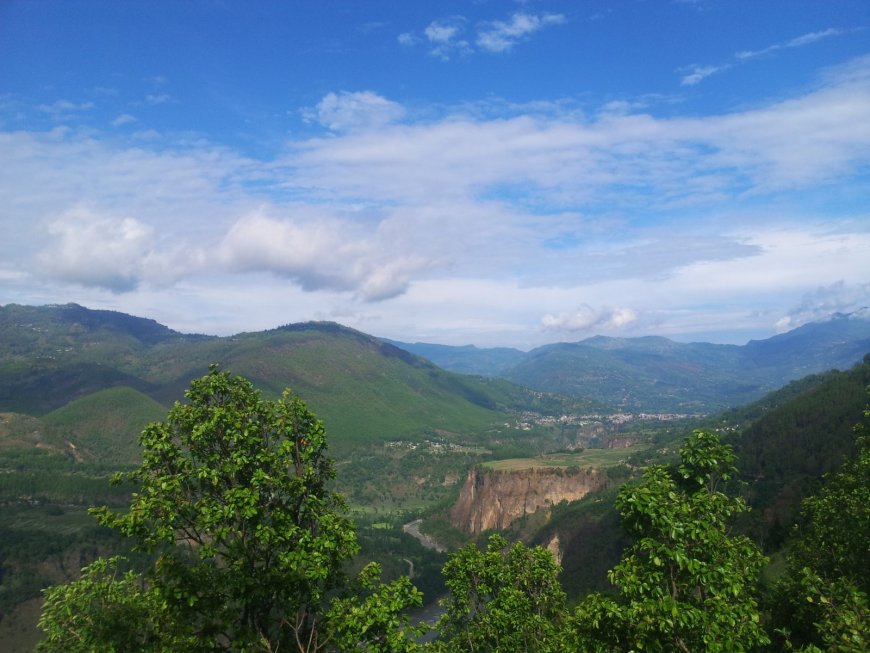
Nepal’s tourism sector has moved from a sharp post‑COVID rebound to a steadier growth phase. Travelers now favor longer, shoulder‑season trips with a strong eco‑ and cultural focus. Ten lesser‑known spots — from Upper Mustang’s high desert to the tea hills of Ilam and the buffer zones of Chitwan — are drawing attention thanks to community‑led lodging and new trail infrastructure.

Nepal Tourism After COVID: Emerging Destinations and Shifting Traveler Patterns
Since the pandemic eased, Nepal has seen a steady return of international visitors. The rebound that began in 2023 continued through 2024, with airlines restoring routes, hotels reopening, and trekking permits rising again. By early 2026 the sector feels more stable, though growth rates have settled into a more measured pace.
Visitor Trends Shaping the Current Season
Longer Stays
Travelers are opting for week‑long or longer itineraries, giving them time to combine a classic trek with cultural stops in the hills or the Terai. This shift helps spread spending beyond the traditional hubs.
Shoulder‑Season Preference
April‑May and September‑October are becoming the sweet spots for many visitors. The weather is still pleasant, crowds are thinner, and local operators can offer more personalized service.
Eco‑ and Culture‑Focused Experiences
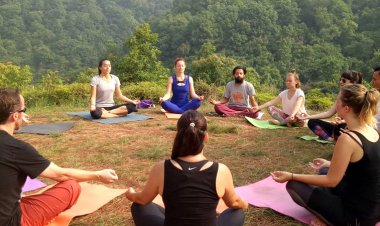
Community‑run homestays, conservation‑linked lodges, and guided cultural walks are gaining traction. Booking platforms report a noticeable rise in demand for packages that emphasize low‑impact travel and direct interaction with host communities.
Ten Emerging Destinations Worth Watching
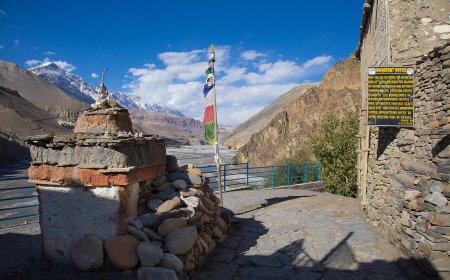
Upper Mustang
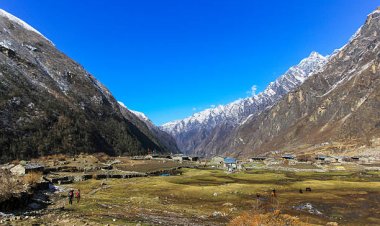
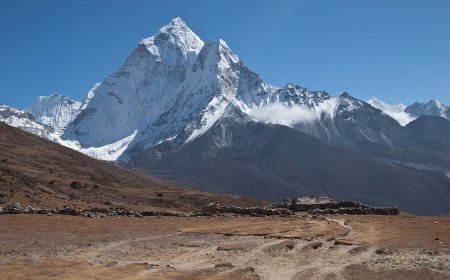
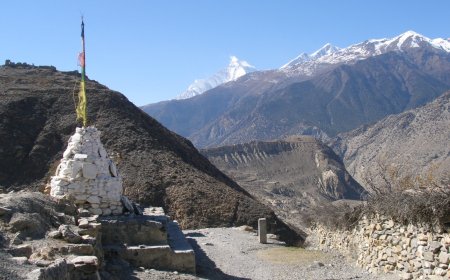
Its stark, high‑altitude desert and preserved Tibetan‑influenced culture attract trekkers looking for a less‑traveled route. New community‑managed guesthouses have opened along the recently approved trails.
Rara Lake Region
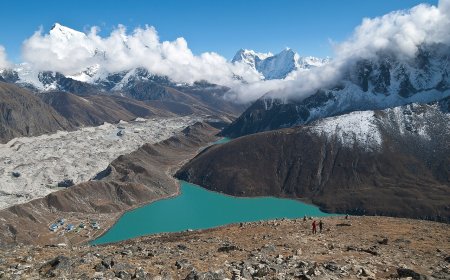
The country’s largest alpine lake now hosts a handful of eco‑lodges built by local cooperatives, offering quiet lakeside stays and opportunities for birdwatching.
Ilam Tea Gardens
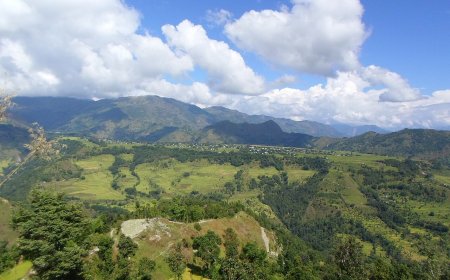
Agro‑tourism is taking root in the rolling tea hills. Visitors can join guided plucking sessions, stay in boutique tea‑estate cottages, and follow a newly marked “Tea Trail” linking several farms.
Sarangkot and Dhikura Hills
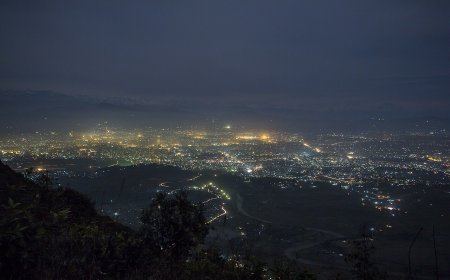
Just outside Pokhara, these viewpoints deliver sunrise panoramas of the Annapurna range with far fewer tourists than the city centre. Recent road upgrades make day trips easier.
Bardia National Park
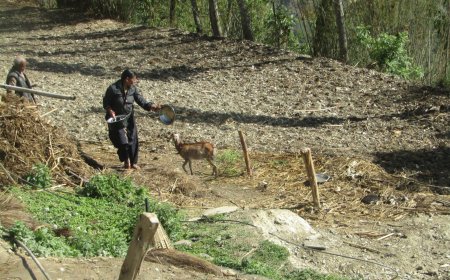
Wildlife safaris in the western lowlands are drawing more nature lovers. Community‑run lodges have earned certification, and park authorities have expanded guided walking tours.
Dhorpatan Hunting Reserve
The only designated hunting reserve in Nepal now offers regulated, conservation‑oriented excursions alongside wildlife spotting, managed by a local cooperative that began operations in early 2024.
Gorkha
The historic palace town and its access to the Manaslu base‑camp trek have been highlighted in recent promotional campaigns, bringing a modest uptick in cultural‑heritage visitors.
Chitwan Buffer Zones
Villages surrounding the national park run guided walking safaris and evening cultural performances, giving tourists a glimpse of Tharu traditions without entering the core protected area.
Makwanpur’s Kharapatal Trail
A newly opened ridge trail leads to Kharapatal Lake, offering a quiet multi‑day hike with alpine scenery. The municipal government funded a small eco‑camp to support trekkers.
Tanahun (Prithvi Narayan Shah Route)
The historic unification route is being packaged as a cultural pilgrimage, with heritage walks, local festivals, and homestay stays attracting history‑enthusiasts.
Practical Visitor Insights
Visa Updates
Most nationalities can still obtain a visa on arrival, and the e‑visa system processes applications within a couple of days. The standard tourist stay remains 30 days, with extensions available at immigration offices.
Best Travel Months
October through December and March through May continue to provide the clearest skies and most comfortable temperatures for trekking and sightseeing.
Emerging Accommodation Types
Boutique eco‑lodges, glamping sites, and family‑run homestays are proliferating in the newly promoted areas, offering authentic experiences while keeping revenue in local hands.
Outlook for the Near Future
Policy incentives such as reduced hotel tax rates and streamlined licensing are encouraging fresh investment. New direct flights from Europe and the Gulf are slated to launch within the next year, improving connectivity. Industry observers expect a gradual rise in arrivals and occupancy, reinforcing Nepal’s position as a resilient post‑COVID destination.
What's Your Reaction?