









5 Lesser‑Known Everest Trekking Routes – Eco‑Tourism Nepal
Discover five lesser‑known Everest trekking routes in Nepal that blend stunning scenery with eco‑tourism, plus tips on when to go and how to prepare today.

5 Lesser‑Known Everest Trekking Routes – Eco‑Tourism Nepal
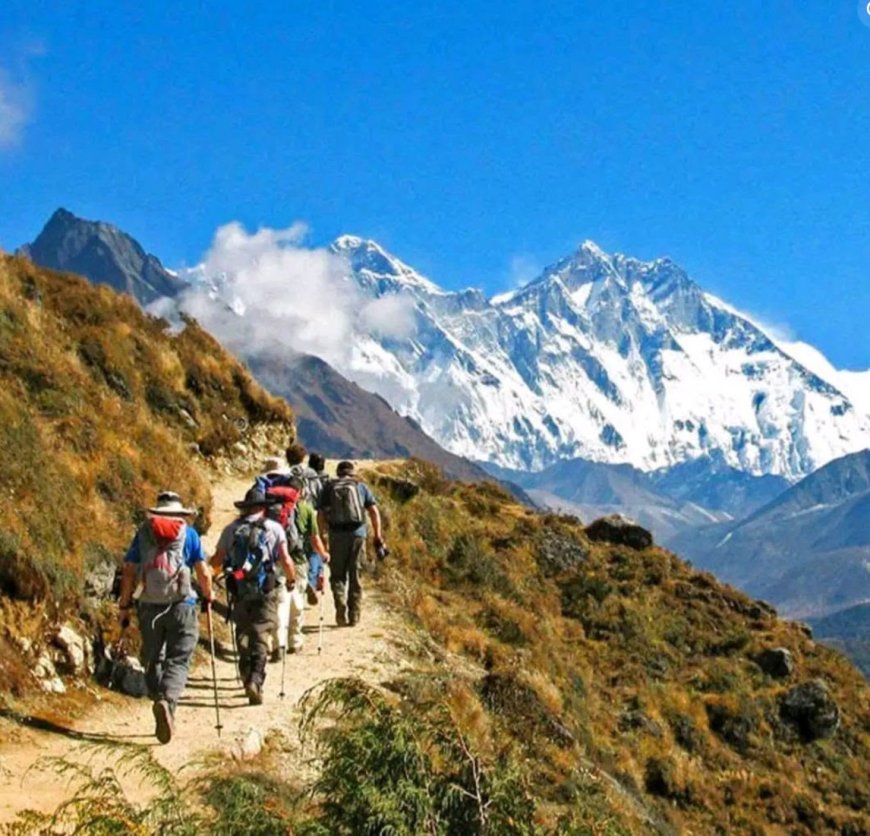
Exploring the Everest region doesn’t have to mean crowded trails. These five lesser‑known trekking routes in Nepal offer spectacular scenery, cultural immersion and low‑impact travel for the eco‑conscious adventurer.
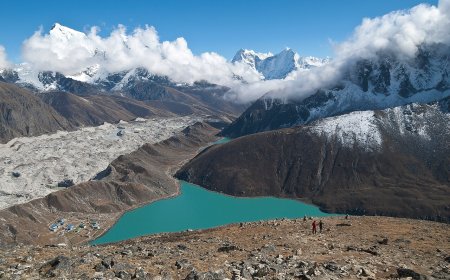
Gokyo Lakes Trail (via Gokyo Ri)
Distance, Elevation & Difficulty
The trail spans roughly 12 km from Gokyo village to the summit of Gokyo Ri, with an elevation gain of about 900 m. Rated 3 out of 5 for difficulty, it involves moderate altitude and uneven moraine terrain. The route sees a modest number of trekkers each season.
Eco‑friendly suggestion
Camp only on established sites, use biodegradable soap and carry out all waste. Joining a local teahouse cooperative supports residents and reduces external lodging needs.
Thame Valley Trek (Khumjung to Thame)
Distance, Elevation & Difficulty
This quiet valley trek covers about 15 km and mostly descends gently from Khumjung (3,880 m) to Thame (3,840 m), resulting in minimal net elevation change. It scores a 2 for difficulty, making it an easy walk with occasional rocky steps.
Green travel tip
Carry a reusable water bottle and refill at the village’s solar‑powered station. Participate in a cultural exchange with Thame’s yak herders and consider buying their handmade wool products.
Pike Lake Loop (Solu region)
Distance, Elevation & Difficulty
The 10 km circuit around Pike Lake climbs about 600 m, featuring a steady ascent through pine forest and modest climbs. Rated 2 out of 5 for difficulty, it is suitable for most hikers.
Sustainable tip
Stay on the marked trail to protect fragile alpine meadows, and bring a small trash bag to collect any litter you find.
Dudh Khola to Labuche (less‑traveled trail)
Distance, Elevation & Difficulty
This 18 km trail follows the Dudh Khola river from Namche to Labuche, climbing roughly 1,500 m. It is rated 4 out of 5 for difficulty, with steep ascents, river crossings and loose scree sections.
Eco‑friendly suggestion
Use a portable toilet bag and dispose of waste at the nearest designated facility in Namche. Hiring a local guide from the Namche community enhances safety and cultural immersion.
Khumbu Glacier Edge Trail (Dingboche to Everest Base Camp via western route)
Distance, Elevation & Difficulty
The western route from Dingboche to Everest Base Camp is about 20 km long and gains approximately 460 m in elevation. Rated 5 out of 5 for difficulty, it includes high‑altitude glacier sections and technical footing near the Khumbu Icefall.
Green travel tip
Stick to the established trail to minimize disturbance to the fragile glacier ecosystem. Offset your carbon footprint by contributing to the Everest Base Camp Community Conservation Fund.
When to Trek
The best months for these treks are March through May and September through November, when weather is stable and trails are clear.
Preparation Tips
Acclimatize gradually, spending at least two nights above 3,500 m before high‑altitude sections. Pack layered clothing, a reliable waterproof jacket, sturdy trekking boots and, for higher routes, crampons or trekking poles. Secure any required permits in advance and inform someone of your itinerary.
Plan your eco‑friendly adventure now and experience the quiet beauty of Nepal’s Everest region.
What's Your Reaction?