












Nepal’s 2026 Digital Literacy Initiative for Rural Schools: What We Know So Far
Nepal launches a 2026 digital literacy push for rural schools, offering devices, training, and subsidized broadband.


The Ministry of Education, Science and Technology (MoEST) unveiled a new Digital Literacy Initiative in a press release issued in mid‑2026. The programme is designed to bring basic computing skills, internet access and locally relevant e‑learning content to schools that have historically been left out of the country’s digital push. While the full operational guide is still being finalised, the announcement sets out clear goals, a partnership framework and a roadmap for schools that want to join. For the official press release and application portal, see MoEST press release and MoEST programme portal.
Objectives and legal basis
According to the Ministry’s press release, the initiative aims to (1) ensure that every participating rural school can offer at least one dedicated digital learning period per week, (2) train a minimum of two teachers per school in basic ICT pedagogy, and (3) create a repository of curriculum‑aligned digital resources in Nepali and major local languages. The legal backing comes from the Education Act (2075) and the Information Technology Policy amended in 2025, which together empower the Ministry to launch nationwide ICT programmes for public schools.
Key partners and their roles
MoEST has invited a mix of NGOs, international agencies and private‑sector firms to co‑deliver the programme. As of the latest update, the confirmed partners include UNICEF (content development and child‑centred pedagogy), the World Bank (financial oversight and monitoring framework), and a consortium of Nepali ed‑tech startups led by e‑Shiksha and SmartClass (device provisioning, teacher training platforms and offline‑first learning apps). Each partner signs a memorandum of understanding that spells out deliverables, timelines and reporting lines.
Minimum infrastructure requirements
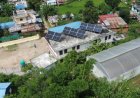
Schools that wish to participate must meet a baseline hardware and connectivity standard. The guideline lists: at least ten functional tablets or low‑cost laptops per school, a stable broadband connection of no less than 2 Mbps per device (with a subsidised broadband package available under the 2026 Telecom Policy), reliable electricity or a solar backup system capable of powering the lab for four hours daily, and a secure, climate‑controlled room for equipment storage. Schools that fall short can apply for a “device grant” that covers up to 70 % of the hardware cost, according to the Ministry’s press release.
Step‑by‑step enrollment process
- Expression of interest – The headteacher submits an online form on the MoEST portal, attaching the school’s registration certificate, recent electricity bills and a brief needs assessment.
- Document verification – District Education Offices review the paperwork within 15 working days and issue a provisional eligibility letter.
- Infrastructure audit – A joint team from the partner consortium visits the school to confirm that the minimum specs are met or to outline the upgrades needed.
- Grant agreement – Eligible schools sign a grant agreement detailing the subsidy amount, procurement schedule and teacher‑training calendar.
- Implementation – Devices are delivered, teachers attend a five‑day blended training workshop, and the digital content repository is activated.
- Quarterly reporting – Schools submit a short progress report (usage logs, attendance, technical issues) through the same portal; partners conduct spot checks twice a year.
Funding mechanisms and incentives
The programme is financed through a blend of government budget allocation (approximately NPR 1.2 billion earmarked in the FY 2026‑27 budget), World Bank concessional financing, and corporate social responsibility contributions from the private partners. In addition to the device grant, schools receive a one‑time “connectivity voucher” that covers the first twelve months of the subsidised broadband plan. Teachers who complete the certified ICT pedagogy course become eligible for a modest salary increment under the revised teacher‑career framework approved in the 2025‑26 education reforms.
Monitoring, evaluation and next steps
A central dashboard, hosted on the MoEST website, will aggregate usage data from all participating schools. An independent evaluation, commissioned by the World Bank, is slated for the end of the first implementation year (mid‑2027) to assess learning outcomes, device durability and teacher confidence. The findings will feed into a scale‑up plan that could extend the model to an additional 3,000 schools by 2029, as indicated in the Ministry’s press release.
For now, rural headteachers should keep an eye on the official portal, gather the required documents and start conversations with their district education officers. The window for the first cohort closes at the end of September 2026, and early applicants stand a better chance of securing the full subsidy package.
What's Your Reaction?