


Schengen Tourist Visa for Nepali Citizens 2026: Fees, Documents & Country‑by‑Country Guide
A comprehensive guide for Nepali citizens applying for a Schengen tourist visa in 2026, covering fees, required documents, application steps, country‑specific notes, and tips for a strong application.

C
Copyright Protected
If you hold a Nepali passport and dream of wandering the streets of Paris, the canals of Amsterdam or the Alps of Switzerland, a single Schengen tourist visa opens the door to 27 European countries. The Schengen Area works on a common visa policy: once you are granted a short‑stay visa by any member state, you may move freely across internal borders for up to 90 days in any 180‑day period.
Standard Visa Fees (2026)
The EU sets a uniform fee schedule that all member states must follow. As of 2026 the rates are:
- Adults (12 years and older): €80
- Children aged 6‑11: €40
- Children under 6: free
- Certain categories – students, researchers, participants in EU‑funded programmes, and family members of EU/EEA nationals – are exempt.
Individual embassies may charge a small service fee on top of the statutory amount; for example, the French Embassy in Kathmandu adds a €5 handling charge. Always confirm the exact payable amount on the relevant embassy or visa‑centre website before you pay.
Master Document Checklist
Regardless of which Schengen country you apply to, the following documents are universally required for a tourist visa:
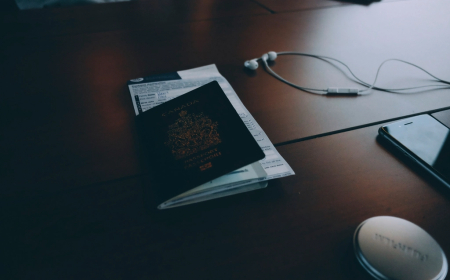
- Valid passport – issued within the last 10 years, at least two blank pages, valid for three months beyond the intended departure date.
- Two recent passport‑size photos – 35 × 45 mm, white background, per ICAO standards.
- Completed and signed visa application form – usually submitted online via the national portal (e.g., France‑Visas, Spain’s Visa Application Centre).
- Travel itinerary – flight reservation (round‑trip) and day‑by‑day plan showing places to stay.
- Proof of accommodation – hotel bookings, invitation letter from a host, or a rental agreement.
- Travel medical insurance – minimum €30,000 coverage for emergency treatment and repatriation, valid throughout the Schengen Area.
- Proof of sufficient financial means – bank statements for the last three months, sponsorship letter plus sponsor’s bank statements, or a combination; the general guideline is €65 per day of stay.
- Cover letter – brief explanation of the purpose, dates, and itinerary.
- Biometric data – fingerprints and a digital photograph collected at the visa centre (mandatory for first‑time applicants aged 12+).
Application Steps
1. Fill the online form on the destination country’s visa portal.
2. Book an appointment at the designated Visa Application Centre (VAC) – most Schengen states use VFS Global in Kathmandu; Germany and the Netherlands operate their own centres.
3. Attend the appointment with all original documents and photocopies; submit biometrics.
4. Pay the visa fee (plus any service charge) – usually by card or cash at the centre.
5. Track the application online using the reference number provided.
6. Collect the passport once a decision is made; if approved, the visa sticker will indicate the allowed duration and number of entries.
Country‑Specific Notes
France
VFS Global centre in Kathmandu; standard processing 15 calendar days, can extend to 30 days during peak season. Requires a signed Attestation d’accueil if staying with friends.
Spain
Applications handled by BLS International in Kathmandu; 15‑day turnaround, but the consulate recommends applying at least three weeks before travel.
Germany
German Embassy runs its own centre; processing 10‑15 days. Additional Verpflichtungserklärung (formal obligation letter) needed for sponsored trips.
Italy
VFS Global centre; 15‑day standard. Italy asks for a detailed day‑by‑day itinerary and proof of return flight.
Switzerland
Handled by VFS Global; 15‑day processing. Swiss authorities may request a hotel confirmation for each night of stay.
Other Schengen members (Austria, Belgium, Netherlands, etc.) follow the same core process; check each embassy’s website for any extra forms or local appointment slots.
Tips for a Strong Application
Submit a realistic, day‑by‑day itinerary that matches your flight dates and hotel bookings. Inconsistent dates are a common rejection trigger. Show stable income – regular salary credits or business revenue – rather than a single large deposit made just before applying. Choose an insurance policy that explicitly states coverage for the whole Schengen zone and includes repatriation. Write a concise cover letter that ties your travel purpose to your personal and professional situation in Nepal. Finally, double‑check that every photocopy is clear and that the passport photo meets the exact size and background requirements.
FAQ
Why was my visa refused?
Common reasons: insufficient proof of funds, incomplete travel insurance, contradictory itinerary, or doubts about the intention to return.
How soon can I re‑apply after a refusal?
You may submit a new application immediately, but you should address the refusal reasons first; otherwise a second refusal is likely.
Does a previous Schengen visa help?
Yes. A clean travel history with prior Schengen visas (multiple‑entry ones) demonstrates credibility and can speed up processing.
Can I apply to any Schengen embassy?
You must apply at the embassy of the country that is your main destination (the one where you will spend the most nights). If the stay is equal, apply at the first point of entry.
What if my passport expires soon?
Your passport must be valid for at least three months after the planned departure from the Schengen Area; otherwise the application will be rejected outright.
What's Your Reaction?