




White-Water Rafting in Nepal: River-by-River Guide, What Drives the Price, and How to Verify an Operator's Quote
A river-by-river guide to white-water rafting in Nepal with a decision matrix, seasonal timing, cost anatomy breakdown, and a step-by-step quote verification checklist for mid-range travellers.

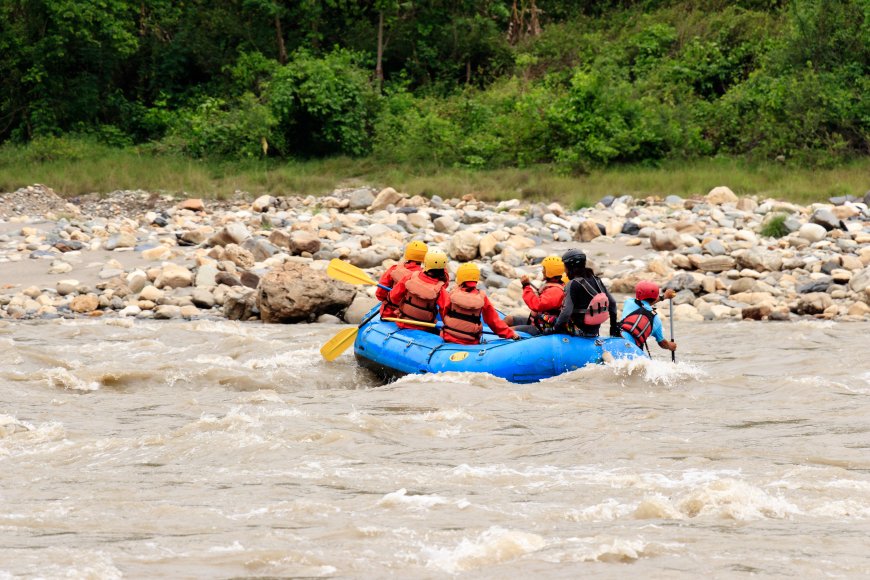
Nepal's rivers drop from the Himalaya to the plains in a handful of days, creating some of the most accessible big-water rafting on the planet. The main commercial runs sit within a day's drive of Kathmandu or Pokhara, and the season splits neatly into two windows: post-monsoon (October to early December) when water is high but settling, and pre-monsoon (March to early May) when flows are lower and the weather is warm. During the monsoon itself, most operators suspend commercial trips — the water is simply too big, too cold, and too unpredictable for standard itineraries.
Quick decision matrix: which river fits your trip
The table below matches each river to the typical trip length, road access, and whitewater class you'll encounter on a packaged, all-inclusive booking (transport, guide, equipment, meals, and usually one night's accommodation included).
| River | Typical trip length | Road access to put-in | Whitewater class (commercial sections) | Best for |
|---|---|---|---|---|
| Trishuli | 1–2 days | ~3–4 hrs from Kathmandu | Class II–III | First-timers, families, tight schedules |
| Seti (West) | 2–3 days | ~5–6 hrs from Kathmandu / ~2 hrs from Pokhara | Class II–III+ | Warm water, jungle scenery, birdlife |
| Bhote Koshi | 1–2 days | ~3 hrs from Kathmandu | Class IV–V (steep, continuous) | Adrenaline seekers, short steep drops |
| Kali Gandaki | 3–5 days | ~6–7 hrs from Kathmandu / flight to Jomsom option | Class III–IV | Remote canyon, Annapurna backdrop, cultural stops |
| Sun Koshi | 7–9 days | ~3 hrs to put-in from Kathmandu | Class III–IV (big volume) | Expedition feel, beach camping, progressive difficulty |
Season timing and what it changes
The nepal rafting season effectively runs October–November and March–April. Post-monsoon brings bigger water, cooler nights, and the chance of early snow on higher catchments — good for the Sun Koshi and Kali Gandaki where volume matters. Pre-monsoon means warmer days, lower flows (easier on the Bhote Koshi, more technical on the Sun Koshi), and rhododendron bloom on the Kali Gandaki. December–February runs are possible on lower-elevation rivers like the Trishuli and Seti, but mornings are cold and some operators pause. Always confirm the current water level and operator schedule for your exact dates; a late monsoon or early snowmelt shifts everything by weeks.
River profiles
Trishuli — the Kathmandu day-trip standard
If you search kathmandu rafting day trip, this is the river that appears. The put-in at Malekhu or Fishling is a straightforward highway drive. The commercial stretch serves up Class II–III rapids with enough recovery pools to keep it friendly. Most day trips include a riverside lunch and a return to Kathmandu by early evening. Two-day versions add a beach camp, a campfire dinner, and a second morning of easier water before the take-out at Kurintar (where the cable car goes up to Manakamana).
Bhote Koshi — steep, continuous, over in a flash
The bhote koshi rafting experience is defined by gradient. The river drops roughly 15–20 metres per kilometre through a narrow gorge, so rapids stack up with almost no flat water between them. Commercial trips usually run the upper section (Lamosangu to Dam) as a long day or an overnight with one night at a fixed camp. It is not a beginner river — operators typically require prior rafting experience or a high fitness level. The road follows the river closely, so evacuation routes are short, but the walk-out from the gorge is steep if something goes wrong.
Sun Koshi — the classic multi-day expedition
A multi-day rafting expedition nepal almost always means the Sun Koshi. The standard 7–9 day itinerary starts at Dolalghat and finishes at Chatara, covering roughly 270 river kilometres. The first days are moderate (Class III), building to big-water Class IV–IV+ in the lower canyon. Camps are on sandy beaches; the crew handles all cooking and gear transport. You'll see almost no roads after day two. This trip demands a week off the grid — no phone signal, no towns, just river rhythm.
Kali Gandaki — remote canyon beneath the Annapurnas
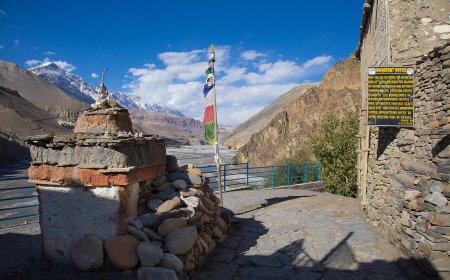
The kali gandaki rafting run threads between Dhaulagiri and Annapurna I, the world's deepest gorge. Most commercial trips put in near Beni or Mirmi and take out at the Seti confluence or further downstream. The scenery shifts from subtropical forest to high-altitude desert. Access usually involves a long drive from Pokhara or Kathmandu; some operators offer a flight to Jomsom and a drive down to the put-in, which flips the logistics cost. Cultural stops at riverside villages and temples are common on 4–5 day itineraries.
Seti River — two rivers, one name
This is the most common confusion in seti river rafting searches. The Seti Gandaki (West Seti) flows through the Pokhara region — warm, jungle-lined, Class II–III+, popular for 2–3 day trips with abundant birdlife. The Seti (East) in the Far West is a completely different drainage, far less commercially run, steeper, and logistically harder. If an operator quotes "Seti rafting" without specifying West or East, ask for the put-in and take-out coordinates. They are not interchangeable.
What drives the price of a packaged trip
Every operator builds their quote from the same building blocks. Understanding each one lets you compare apples to apples when you hold two quotes side by side.
- Whitewater class and river remoteness. Higher-class rivers (Bhote Koshi, Sun Koshi lower canyon, Kali Gandaki) require more experienced guides, higher-spec safety gear (throw bags, safety kayakers, satellite communicators), and often a higher guide-to-guest ratio. Remote put-ins add vehicle days and fuel.
- Trip length and nights on river. Each extra night means another day of guide wages, food, camp equipment wear, and permit/registration fees passed through by the operator.
- Road transfer distance and vehicle type. A 3-hour highway drive in a tourist bus costs far less than a 7-hour mountain road in a 4WD convoy. Some quotes include a domestic flight leg (e.g., Jomsom for Kali Gandaki) — that line item alone can double the transfer cost.
- Group size. Most operators price on a per-person basis assuming a minimum group (often 4–6). Below that minimum, a surcharge applies. Large groups (10+) may trigger a discount, but also require an extra guide or safety kayaker.
- Included equipment and meals. Standard packages cover raft, paddle, helmet, life jacket, wetsuit or splash jacket (season-dependent), dry bags, and all meals from lunch day one to lunch final day. Upgrades — drysuits, premium tents, alcohol, snacks — appear as line items.
- Accommodation tier. "All-inclusive" usually means twin-share dome tents on river beaches and a basic hotel/lodge night before or after. Some operators offer "comfort" upgrades with standing-height tents, camp chairs, and a 3-star hotel night.
- Season demand. Peak weeks (Dashain/Tihar holidays, Christmas–New Year, March school breaks) command a premium. Shoulder weeks may see 10–15% lower quotes.
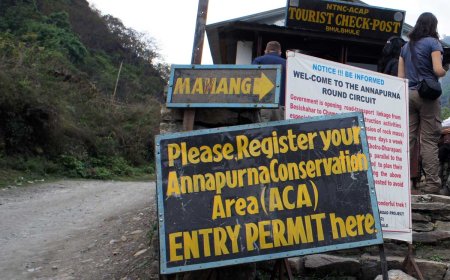
- Permits, registration, and conservation fees. These are government or local-body charges that operators collect and remit. They change without notice. A transparent quote lists them separately so you can verify the current rate.
How to verify an operator's quote yourself
You don't need insider knowledge — just a checklist and the willingness to ask.
- Request an itemised quote. Every line: transfers (vehicle type, hours), guide ratio, safety kayaker (yes/no), equipment specs, meals (per day), accommodation (pre/post river nights), permits/fees (named and dated), taxes. If they send a single lump sum, reply asking for the breakdown.
- Cross-check the permit/fee lines. Ask which authority issues each fee and the current gazette or notice date. Then search that authority's website or call their office. If the operator cannot name the instrument, treat that line as unverified.
- Confirm guide credentials. Ask for the lead guide's name and their Nepal Association of Rafting Agencies (NARA) or equivalent certification number. Reputable operators publish this proactively.
- Compare transfer logic. Map the put-in and take-out. Calculate drive time on Google Maps (add 20% for mountain roads). If the quote shows a 5-hour transfer for a 3-hour drive, ask why — it may be a convoy requirement or a different route.
- Check the cancellation and refund policy in writing. Monsoon, landslides, political strikes, and personal illness happen. Know the deadlines for full, partial, or zero refund.
- Get two more quotes for the same river, dates, and group size. Use the same itemised template. Differences of 15–20% are normal (brand, vehicle quality, guide seniority). Differences above 30% usually mean something is missing or inflated.
- Read recent trip reports, not just reviews. Look for blog posts, forum threads, or social media from the last 12 months that name the operator, river, and dates. Photos of the actual camp, kitchen, and safety gear tell you more than a 5-star rating.
Sanity-checking a very cheap quote
If a quote lands 30%+ below the cluster of itemised offers, something is likely excluded: safety kayaker, permit fees, the pre-trip hotel night, meals on transfer days, or insurance. Ask specifically: "Does this include the [named] conservation fee? The safety kayaker on Class IV sections? The hotel night in [town] before put-in?" Silence on any of these is your answer.
Safety checklist — what to confirm before you hand over a deposit
- Operator holds a current tourism industry licence and river-running permit from the relevant authority.
- Lead guide holds valid swiftwater rescue and first-aid certifications (ask for copies).
- Trip carries a comprehensive first-aid kit, repair kit, throw bags on every raft, and at least one satellite communicator or VHF radio.
- Safety kayaker assigned on Class IV+ sections (standard on Bhote Koshi, Sun Koshi lower canyon, Kali Gandaki).
- Pre-trip safety briefing covers swim position, throw-bag practice, and emergency signals.
- Evacuation plan exists for each day — nearest road access, helicopter landing zone, medical facility.
- Insurance: confirm the operator carries public liability; you still need your own travel policy covering whitewater rafting up to Class IV.
Rafting in Nepal rewards homework. The rivers are real, the scenery is uncompressed, and the logistics are solvable — if you compare itemised quotes, verify the fee lines, and confirm the guide team. That's the whole job. Do it once and you'll book with confidence every season after.
What's Your Reaction?