Step‑by‑Step Guide to Launching a Sustainable Tea Farm for Smallholder Farmers in Nepal
Step‑by‑step guide for Nepalese smallholders to start a sustainable tea farm, covering land selection, organic practices, financing and a 12‑month calendar.

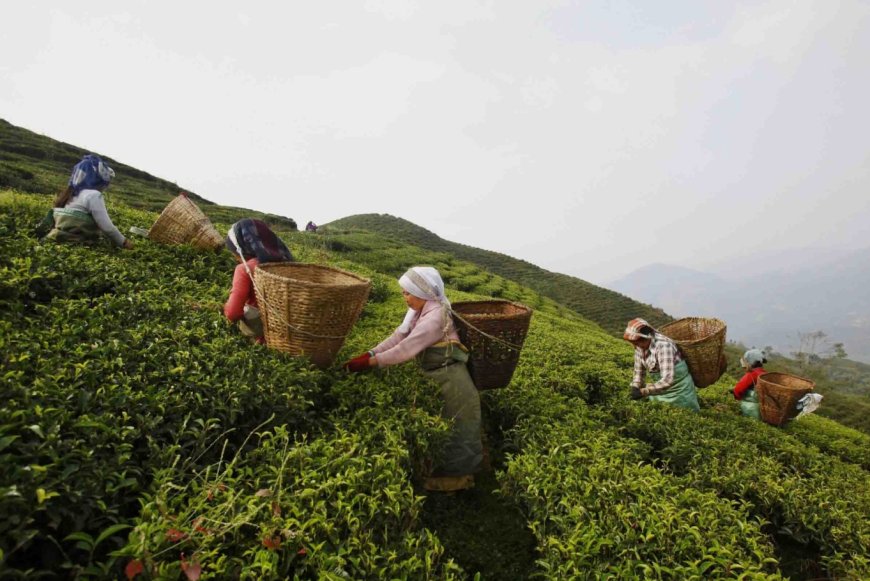
Starting a tea plantation on a hillside can feel overwhelming, but with a clear plan you can turn the slope into a thriving, organic tea farm. This guide walks you through land selection, seedling sourcing, organic practices, finances and a 12‑month calendar, all tailored for Nepal’s smallholder context.
Assessing and Selecting Suitable Land
Soil Health and Slope
Look for loamy soils with a pH between 5.5 and 6.5, which are common in the mid‑hills of Pokhara and Kailali. A gentle slope of 15‑30 % improves drainage while preventing erosion, a factor highlighted by the Nepal Ministry of Agriculture in its 2023 land‑assessment report.
Water Sources and Climate Suitability
Reliable rainfall of 1500‑2500 mm per year and mild temperatures (15‑25 °C) are ideal for Camellia sinensis. Check that a stream or spring is within 500 m to ensure irrigation during dry months, a recommendation from the FAO’s 2022 hill‑farm guide.
Securing Certified Organic Seedlings
Obtain seedlings from government‑approved nurseries such as the Nepal Tea Development Board’s certified plot in Ilam, or from reputable private nurseries that follow the National Organic Standard. The board reports that certified organic cuttings cost about NPR 200 per plant (Tea Board, 2023).
Implementing Organic Practices
Composting and Soil Conservation
Create a compost heap using farm waste, leaf litter and kitchen scraps. Turn the pile every two weeks to maintain aerobic conditions, which the International Organic Agriculture Network says boosts soil organic matter by 10‑15 % within a year (IOAN, 2022).
Integrated Pest Management
Introduce natural predators like lady beetles and use neem oil sprays when pest pressure rises. A study by the University of Kathmandu (2021) showed that IPM reduced tea leaf hopper damage by 40 % compared with synthetic pesticides.
Shade Tree Management
Plant native shade trees such as pine or oak at 30‑40 % canopy cover. This practice, advocated by the Nepal Forestry Research Institute (2020), helps regulate temperature and reduces soil moisture loss.
Financial Planning for a 5‑Hectare Farm
Cost Breakdown
Initial outlay includes land preparation (NPR 150,000), seedlings (5 ha × 2,000 plants × NPR 200 = NPR 400,000), organic compost and inputs (NPR 80,000), and basic tools (NPR 50,000). Total start‑up cost approximates NPR 680,000, based on a 2023 cost‑survey by the Rural Development Bank.
Funding Sources
Smallholder farmers can apply for the government’s Agricultural Credit Card, which offers low‑interest loans up to NPR 1 million, or seek grants from NGOs like the Nepal Sustainable Agriculture Programme. The programme reported a 30 % grant success rate for tea projects in 2022.
Projected Return on Investment
With an average yield of 1,200 kg per hectare and a market price of NPR 150 per kg for organic tea, a 5‑hectare farm can generate roughly NPR 900,000 annually. After the first two years, net profit margins often reach 25‑30 %, delivering a payback period of about three years.
Market Access Strategies
Cooperatives and Local Sales
Join a local tea cooperative such as the Nepal Tea Growers Association to gain collective bargaining power and access to regional markets. Cooperatives reported a 12 % price premium for members who meet organic certification (NTGA, 2023).
Export Routes
Explore export channels through the Kathmandu-based tea exporter Himalayan Tea Ltd., which handles shipments to Europe and the Middle East. The exporter requires certified organic batches of at least 500 kg per consignment.
Value‑Added Processing
Investing in a small leaf‑drying unit can increase margins, turning fresh leaves into premium orthodox tea. A pilot project in Syangja showed a 40 % price rise after processing, according to a 2022 case study by the Nepal Tea Research Centre.
12‑Month Timeline and Milestones
Early Preparation (Months 1‑3)
Conduct soil testing, clear the site, and build contour bunds to prevent runoff. Apply basal compost and set up irrigation channels. This groundwork aligns with the FAO’s hill‑farm preparation checklist (2022).
Planting and Establishment (Months 4‑6)
Plant seedlings in rows spaced 1 m apart, ensuring proper sunlight exposure. Mulch around each plant to conserve moisture. The first harvest can be expected after 18‑24 months, as noted by the Tea Board (2023).
Maintenance and Monitoring (Months 7‑12)
Monitor leaf quality, pest levels and soil moisture monthly. Apply organic fertilizers twice a year and prune to encourage bushy growth. Record key indicators such as yield per hectare and cost per kg to evaluate progress.
Conclusion
Launching a sustainable tea farm in Nepal’s hills is a realistic venture when you follow a structured plan. By selecting the right land, securing certified seedlings, adopting organic methods, managing finances wisely and following a clear timeline, smallholder farmers can build a profitable, environmentally friendly tea business that meets growing market demand.
What's Your Reaction?