





Nepal’s 2026 Solar Pump Subsidy: What Smallholder Farmers Need to Know (August 2026 Update)
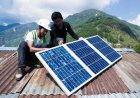
A practical guide for Nepal’s smallholder farmers on the 2026 solar pump subsidy: expected eligibility, step‑by‑step online application, likely benefits, and where to find official updates.

Disclaimer: Information reflects the latest public sources as of 29 August 2026. Details may change when MoALD issues the official notice.
Eligibility criteria expected for 2026
The 2023 Frontiers study on solar irrigation pumps in Nepal showed that earlier subsidy rounds favored households with less than one hectare of cultivated land, gave priority to women‑headed farms, and set aside quotas for Dalit and other marginalized groups. The same study stressed the need for applicants to demonstrate a genuine irrigation gap — such as a lack of reliable water access during the dry season. A 2024 South Asia irrigation management review noted that the upcoming guidelines are likely to keep those patterns and add a requirement for a valid land‑ownership or tenancy certificate plus proof of bank‑account details for direct‑transfer of the subsidy.
Step‑by‑step application procedure
According to the 2024 South Asia irrigation management review, MoALD has been expanding its online portal to handle subsidy requests end‑to‑end. The anticipated workflow looks like this:
- Register on the MoALD e‑service portal using a citizenship number and mobile OTP.
- Fill out the solar‑pump application form, uploading scanned copies of citizenship, land‑ownership or tenancy certificate, and a recent bank‑statement showing the account that will receive the subsidy.
- Submit a brief irrigation‑need statement — photos of the field, a water‑source map, or a letter from the local agricultural office are accepted.
- Receive an automated acknowledgment and a reference number; the portal will track verification status.
- After field verification by the district agriculture office, the approved subsidy amount is transferred directly to the farmer’s bank account.
Farmers without reliable internet can still apply through the nearest agriculture service centre, where staff will enter the data on their behalf.
Projected benefits for farmers and the environment
Switching from diesel to solar cuts fuel expenses dramatically and removes the hassle of fuel procurement during monsoon disruptions. The 2023 Frontiers study and a 2024 analysis of irrigation innovations both note that farms adopting solar pumps tend to expand the irrigated area because operating cost becomes negligible. That expansion can raise cropping intensity, improve yields, and provide a buffer against erratic rainfall — a key climate‑resilience gain. Exact figures will appear in the program’s first monitoring report, but early pilot data from similar schemes show a clear trend toward lower per‑hectare irrigation cost and reduced greenhouse‑gas emissions.
Alignment with national targets and where to verify
The subsidy aligns with Nepal’s broader renewable‑energy and agricultural modernization goals. It supports the Agriculture Development Strategy’s aim of modernising irrigation for smallholders and fits within the country’s ongoing push for cleaner energy. For anyone wanting to confirm the details, the most authoritative sources are:
- MoALD official notices and the e‑service portal (www.moald.gov.np).
- World Bank project documents for the Solar Irrigation Project (P179381), which often include subsidy design papers.
- Peer‑reviewed articles such as the 2023 Frontiers study and the 2024 South Asia irrigation management review.
Keeping an eye on those channels will let farmers, cooperatives, and extension workers act quickly once the 2026 call for applications opens.
What's Your Reaction?