





Nepal’s 2026 Electricity Demand Forecast and Load‑Shedding Outlook
Nepal’s 2026 electricity outlook shows peak demand near 2,000 MW, new hydro projects adding over 1,400 MW, and dry‑season load‑shedding falling to 1‑3 hours daily. Policy tools such as time‑of‑use tariffs, demand‑response pilots and rooftop‑solar subsidies are supporting the transition, while the 400 kV Dhalkebar‑Mugling transmission line remains the key bottleneck to fully unlock the surplus.

As of early September 2026, Nepal’s power sector is moving through a transition that could finally break the cycle of chronic dry‑season blackouts. The Nepal Electricity Authority’s (NEA) 2024 Load Forecast Report projects a peak demand of roughly 2,000 MW for fiscal year 2026/27, a 9‑10 % rise over the previous year (NEA, 2024). That growth reflects higher household consumption, expanding industrial activity, and the steady push of the government’s “Electricity for All” programme into previously off‑grid districts (Ministry of Energy, 2025 progress report).
Demand trajectory
The forecast does not sit in isolation. Per‑capita electricity use has hovered just under 300 kWh per year over the last three years, according to NEA annual statistics and World Bank energy access data (World Bank, 2023). Urban centres such as Kathmandu, Pokhara and Biratnagar continue to drive most of the increase, while new connections under “Electricity for All” added an estimated 1.2 million households between 2023 and mid‑2025 (Government of Nepal, 2025). If the current trend holds, the 2,000 MW peak could be reached as early as the first quarter of FY 2026/27, putting pressure on the grid during the high‑load months of March through May.
Capacity additions on the horizon
The Ministry of Energy’s 2025 Energy Outlook anticipates total installed generation capacity surpassing 2,500 MW by the end of 2026 (Ministry of Energy, 2025). Three flagship hydro projects dominate the pipeline:
- Arun III – about 900 MW, targeted for commissioning in the fourth quarter of 2026 (NEA project status update, March 2025).
- Tanahu – roughly 140 MW, expected to come online mid‑2026 (NEA project status update, March 2025).
- Upper Tamakoshi 2 – around 400 MW, slated for a late‑2026 start‑up (NEA project status update, March 2025).
Together these plants add more than 1,400 MW of new hydro capacity, a volume that should comfortably cover the projected peak even after accounting for seasonal water‑flow variability. Smaller run‑of‑river schemes and a handful of solar farms round out the balance, pushing the total installed figure above the 2,500 MW mark.
Load‑shedding outlook for the dry season
NEA’s dry‑season performance reports for 2023‑2024 indicate that load‑shedding is now projected at 1 to 3 hours per day, with a national average below 1.5 hours (NEA, 2024 dry‑season review). That marks a dramatic improvement from the 4‑6 hours per day average recorded in 2022 (NEA, 2022 annual report). The reduction stems from two factors: the influx of new hydro capacity and tighter operational discipline, including better reservoir management and more accurate short‑term demand forecasting.
Nevertheless, the 1‑3 hour band reflects regional disparities. Mountainous districts fed by smaller tributaries may still see the upper end of the range, while the Kathmandu Valley and the Terai corridor are likely to experience only brief interruptions, if any.
Policy continuity and demand‑side tools
The 2024 Renewable Energy Promotion Scheme remains active in 2026, with amendments gazetted in early 2025 to extend subsidy windows (Ministry of Energy, Gazette Notice 2025/12). Time‑of‑use tariffs, introduced in late 2024 via NEA tariff notification 2024/09, continue to incentivise shifting non‑essential loads to off‑peak periods.
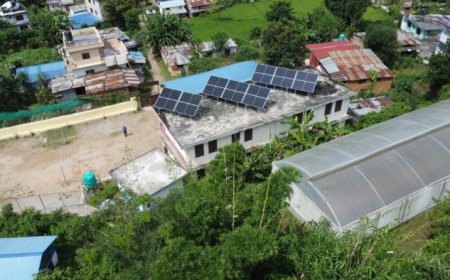
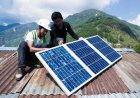
Demand‑side management pilots are progressing under a series of gazette notices issued throughout 2024‑2025: industrial load‑curtailment agreements (Gazette 2024/45), smart‑meter rollouts in selected municipalities (Gazette 2025/03), and a national appliance‑efficiency labelling programme (Gazette 2025/11). Rooftop‑solar subsidies, capped at 30 % of system cost for residential installations up to 5 kW, have seen a modest uptick in applications, adding an estimated 30 MW of distributed generation by mid‑2026 (Alternative Energy Promotion Centre, 2025 mid‑year report).
What households and businesses should expect
For the average household, the practical impact is a more reliable supply during the critical March‑May window. Families can plan evening cooking and heating with confidence that outages will be short and predictable. Small‑scale enterprises — workshops, cold‑storage units, and retail outlets — benefit from reduced downtime, translating into lower operating costs and higher productivity.
Large industrial consumers, especially those in the cement, steel and fertilizer sectors, should still coordinate with NEA for dedicated feeders and possible interruptible‑load contracts. The authority’s new demand‑response framework, launched in early 2025 (NEA press release, January 2025), offers financial compensation for voluntary curtailment during peak hours, providing a revenue stream for flexible plants.
Looking ahead
If the three flagship hydro projects commission on schedule, Nepal will enter FY 2027/28 with a generation surplus that could support export ambitions to India and Bangladesh. The immediate challenge, however, remains the timely completion of transmission corridors — particularly the 400 kV Dhalkebar‑Mugling line — to move power from the new plants to load centres without bottlenecks. The Ministry’s 2026 budget allocates additional funds for right‑of‑way acquisition and tower construction, signalling that the grid‑upgrade pace intends to match the generation surge (Ministry of Energy, 2026 budget speech).
In short, 2026 looks set to be the year Nepal’s electricity supply finally outpaces its most stubborn demand peaks, delivering tangible relief to consumers across the country.
What's Your Reaction?