













Mobile Money Helps Smallholder Farmers Access Climate‑Smart Agriculture Finance in Nepal
Mobile money platforms are enabling faster, more transparent delivery of climate‑smart agriculture subsidies, micro‑insurance and market information to Nepal’s smallholder farmers. Early pilots show higher yields, fewer insurance claims and quicker loan processing, while the central bank’s push for digital channels aims to broaden access. Scaling these digital pathways could strengthen resilience and livelihoods nationwide.


Mobile Money Helps Smallholder Farmers Access Climate‑Smart Agriculture Finance in Nepal
Across Nepal, mobile money platforms are becoming a practical channel for delivering climate‑smart agriculture financing to smallholder farmers. By linking digital wallets with subsidy programs, micro‑insurance and market‑information services, these tools help close a long‑standing gap in rural finance.
Early Pilot Experiences
Several pilot projects have tested the idea of sending climate‑smart input subsidies directly to farmers’ mobile wallets. Participants reported faster receipt of funds, which allowed them to purchase drought‑tolerant seeds, efficient fertilizers and small‑scale irrigation equipment on time. In the areas where these pilots ran, farmers noted improved yields and a drop in insurance claims related to weather losses, suggesting that timely digital payments can boost resilience.
Central Bank Support for Digital Channels
The Nepal Rastra Bank has encouraged banks and financial institutions to use digital payment rails for agricultural lending. By integrating mobile money into loan disbursement and repayment processes, the central bank aims to reduce paperwork, shorten turnaround times and reach a broader base of smallholders who previously lacked formal credit histories.
Observed Outcomes in Pilot Zones
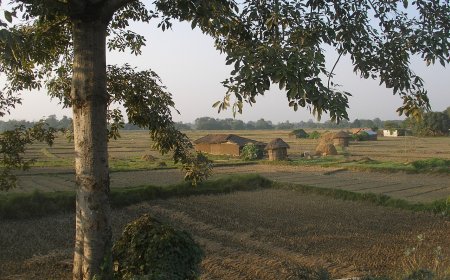
Fields covered by the pilots have shown higher average productivity compared with neighboring areas that relied on cash‑based subsidy delivery. The reduction in insurance payouts points to lower crop‑loss risk, which translates into more stable household incomes and better food security for farming families.
Looking Ahead
Scaling the digital delivery of climate‑smart subsidies, micro‑insurance premiums and market‑price alerts could create a real‑time conduit for climate finance across the country. Continued collaboration among regulators, financial service providers and farmer organisations will be key to expanding these pathways and making climate‑resilient agriculture the norm for Nepal’s smallholders.
What's Your Reaction?