
Nepal Urban Waste Management 2026: What’s Confirmed and What’s Still Proposed in Kathmandu and Pokhara
A clear split between the waste‑management rules already in force (2023/2024) and the fee‑structure proposals circulating in 2026 draft budgets for Kathmandu and Pokhara. The article flags unverified numbers, notes the missed Shrawan 2083 implementation date, and gives residents practical steps to stay compliant today.

Nepal’s solid waste management framework is still governed by the 2023 Solid Waste Management Rules and the 2024 implementation guidelines issued by the Ministry of Urban Development. As of early September 2026 no formal 2026 amendment has been gazetted, so the rules on the books are the ones municipalities are actually enforcing today.
What the current rules require
The 2023 rules define four waste streams: organic, recyclable, inert, and hazardous. Organic waste covers food scraps, garden trimmings and other biodegradable material. Recyclables include paper, cardboard, plastics numbered 1‑2‑4‑5, glass bottles and metal cans. Inert waste is construction debris, dust and non‑degradable sweepings. Hazardous waste spans batteries, expired medicines, paint tins and electronic items. The 2024 guidelines added a fifth stream for bulky items such as furniture and mattresses, but collection for that stream remains pilot‑based in a few wards.
Proposed 2026 changes (draft only)
Both Kathmandu Metropolitan City and Pokhara Metropolitan City have circulated draft budget proposals that outline new fee structures and a few operational tweaks. These documents have not been ratified, so the figures below should be treated as proposals, not as charges you must pay today.
| Area | Verified (2023/2024) | Proposed 2026 draft |
|---|---|---|
| Household fee – Kathmandu | Existing tiered rates based on property size (last published 2024) | Draft budget suggests NPR 150‑200/month for units under 100 sq m, NPR 250‑350 for 100‑200 sq m, and above NPR 500 for larger homes. Effective date listed as Shrawan 2083 (mid‑July 2026) but final notification still pending. |
| Household fee – Pokhara | Current flat rate set in 2024 guidelines | Draft proposes NPR 100/month for homes up to 150 sq m and NPR 200 for larger properties. |
| Commercial fee – Kathmandu | Volume‑based charges defined in 2024 guidelines | Draft suggests small shops around NPR 500/month, restaurants/hotels up to NPR 3,000‑5,000/month. |
| Commercial fee – Pokhara | Volume‑based formula in 2024 guidelines | Draft proposes roughly NPR 10 per kilogram of non‑organic waste with a minimum NPR 300/month. A segregation rebate is mentioned but verification mechanism not yet defined. |
| Penalties for non‑segregation | First offence NPR 5,000; repeat NPR 15,000 (2023 rules) | No change proposed; Kathmandu wards have been issuing written warnings for the first two months of the new cycle before fines, Pokhara relies on community mobilisers for education first. |
| Contractor landscape | Two firms contracted in Kathmandu, one in Pokhara (per 2024 municipal reports) | Same arrangement expected to continue; no new contractor announcements in the draft. |
How collection works today
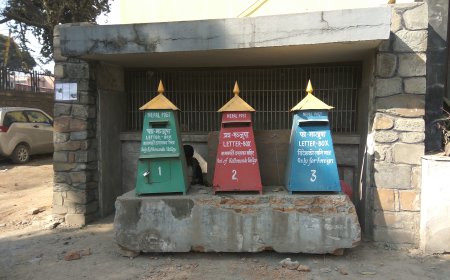
Most wards distribute colour‑coded bins: green for organic, blue for recyclables, grey for inert, red for hazardous. A typical schedule picks up organic waste daily, recyclables twice a week, and inert/hazardous on designated Saturdays. Payments can be made through the municipal mobile apps (KMC Pay in Kathmandu, Pokhara e‑Seva in Pokhara), at ward offices, or via e‑Sewa and Khalti digital wallets. Residents without app access can request a printed challan at their ward office.
What to do next
Until the 2026 amendment is officially gazetted, follow the segregation chart posted at your ward office, keep receipts for any fees you pay, and watch for the formal notice that will confirm or adjust the draft figures. The next few months should bring clarity as the federal ministry finalises the amendment and metropolitan councils ratify their budgets.
What's Your Reaction?