














Telemedicine in Nepal: Digital Health Services Bridging Rural Healthcare Gaps
Telemedicine in Nepal has grown rapidly since 2020, driven by rising internet access, mobile phone penetration, and supportive government policy. The article outlines platform expansion, licensing reforms, user adoption across age groups, cost and travel‑time savings for rural patients, and persistent challenges such as limited broadband and digital literacy.

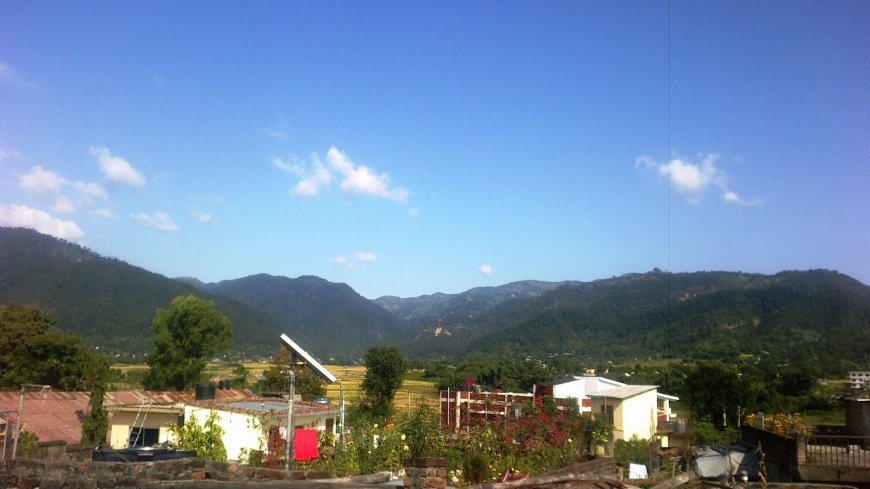
Telemedicine in Nepal has expanded quickly as internet access and mobile phone use grow in rural areas, letting patients consult doctors without long trips. This shift is reshaping how health services reach communities across the country.
Rapid Growth of Telemedicine Platforms
Platforms multiplied from roughly 15 in 2020 to over 120 by the end of 2023. Internet penetration reached about 76% in 2023, up from 55% in 2018. As of 2023, mobile phone subscriptions exceeded 40 million, making digital connectivity widely available in remote villages.
Key Drivers
Improved broadband coverage, affordable smartphones, and government incentives for digital health have created a fertile environment for telemedicine growth. The rise of mobile money also simplifies payment for virtual consultations.
Government Policies and Licensing Frameworks
The National Telemedicine Policy 2023, launched by the Ministry of Health and Population, provides a clear regulatory pathway for service scaling. It sets standards for clinical quality, data security, and cross‑border teleconsultations. Under the policy, a digital health provider license is required for any entity offering teleconsultations, which has streamlined registration for private clinics and NGOs.
Impact of Policy
Since the policy’s implementation, the number of licensed telemedicine providers rose by about 45% during 2023. This regulatory clarity has encouraged investment and reduced bureaucratic hurdles.
User Adoption Trends
Adoption is highest among younger, tech‑savvy populations. A 2022 study found that 55% of telemedicine users were aged 18‑35, reflecting strong smartphone penetration in that group. Older patients (55 and above) began adopting after extensive exposure during the COVID‑19 pandemic, with a reported 40% rise in 2022.
Acceptance among Older Patients
Telephone‑based consultations and simple mobile apps have lowered the barrier for seniors, leading to better continuity of care for chronic conditions such as hypertension and diabetes. The same 2022 report notes that 68% of older adults now feel comfortable using telemedicine for routine follow‑ups.
Impact on Underserved Populations
Rural patients benefit from reduced travel time; a 2022 estimate puts the average saving at 2.5 hours per teleconsultation. Lower out‑of‑pocket costs are also evident; a 2022 survey showed roughly a 30% reduction in expenses for chronic disease management compared with in‑person visits. Continuity of care improves as patients can schedule regular virtual check‑ins without missing work or facing transportation barriers.
Challenges and Future Opportunities
Despite progress, broadband infrastructure gaps remain a major obstacle. Rural districts still had less than 30% broadband coverage as of 2023. Digital literacy is another hurdle; only about 20% of rural seniors could navigate telehealth apps without assistance in 2023. Integration with existing public health information systems is limited, creating data silos that impede coordinated care. These challenges point to clear opportunities for policy support, such as subsidizing broadband expansion, launching community digital‑literacy programs, and developing interoperable electronic health record platforms.
Overall, telemedicine in Nepal is moving from a niche service to a mainstream component of the health system, offering tangible benefits for remote communities while highlighting the need for continued investment in connectivity and training.
What's Your Reaction?