












2024 AI‑Powered Lending Boosts Nepal Rural SME Growth
In 2024, AI‑powered lending platforms in Nepal are unlocking credit for rural SMEs, driving a 22% rise in AI‑driven loan disbursement to NPR 1.9 billion and expanding financial inclusion through innovative data use and strategic partnerships.

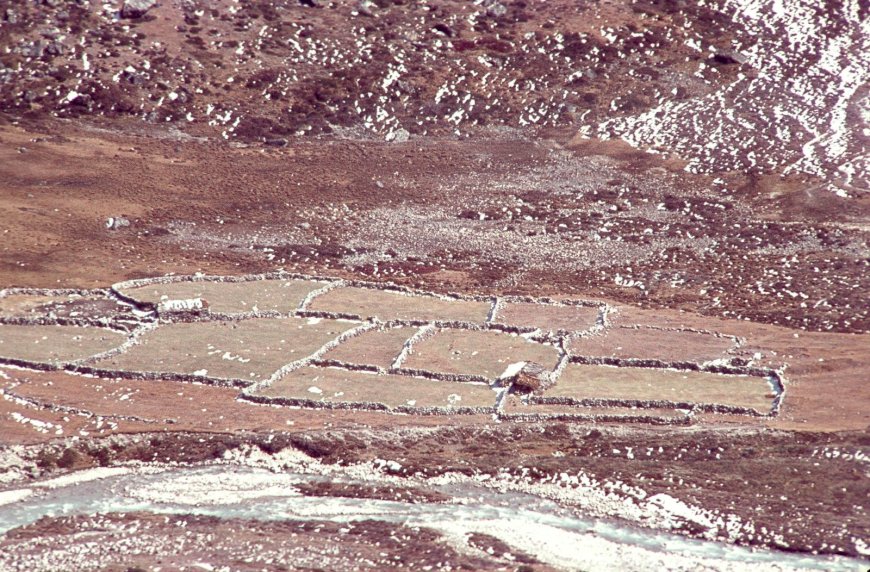
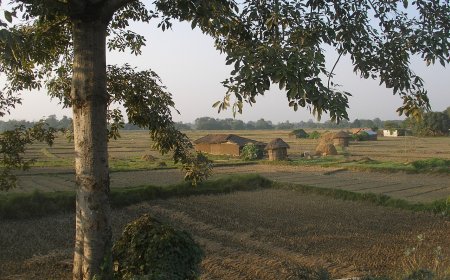
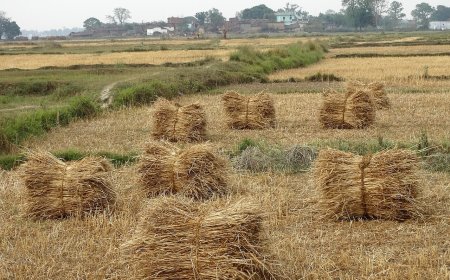
Imagine a farmer in the Terai getting a loan on his phone in minutes, not days. In 2024, Nepal’s fintech scene is buzzing as AI‑powered lending platforms use alternative data to unlock credit for rural SMEs.
Market Overview and Size
The rural SME financing gap remains wide, yet 2024 data shows rapid acceleration. Nepal Rastra Bank’s 2024 Annual Report reports total rural SME loan disbursement of NPR 13.5 billion, a 9% increase from 2023, with AI‑driven platforms contributing NPR 1.9 billion, up 22% year‑on‑year (https://www.nrb.org.np/annual-report-2024).
Loan Disbursement Figures
AI platforms collectively disbursed over 180,000 micro‑loans in 2024, accounting for about 15% of all rural SME loans, according to eSewa’s 2024 annual report (https://www.esewa.com.np/annual-report-2024).
Case Studies
Kiva Nepal AI Pilot
Kiva launched an AI pilot in early 2024 targeting 5,000 smallholder farmers in the Terai region. Using mobile airtime and crop insurance data, the platform approved loans with an average size of NPR 75,000. Repayment rates reached 85% after six months, and total disbursement amounted to NPR 375 million (https://www.kiva.org/impact/nepal).
eSewa Micro‑Loan
eSewa introduced a micro‑loan product in March 2024, leveraging transaction history from its digital wallet. By September, the platform had issued 12,000 loans totaling NPR 900 million, with a 92% repayment rate and an average interest margin of 14% (https://www.esewa.com.np/annual-report-2024).
Nabil Bank AI SME Loan
Nabil Bank rolled out an AI‑based SME loan in July 2024, integrating satellite imagery of farmland and payroll data. The product disbursed NPR 1.2 billion across 3,200 SMEs, achieving an 88% repayment rate and reducing average processing time from 14 days to 48 hours (https://www.nabilbank.com.np/annual-report-2024).
Investment and Partnership Opportunities
Co‑lending arrangements with local banks such as Nabil and Prabhu Bank can amplify reach while sharing risk. Impact‑investor funds focused on financial inclusion, like the Nepal Impact Fund, have expressed interest in backing AI credit‑scoring startups that demonstrate robust alternative data pipelines. Collaborations with data providers — telecom operators, agri‑tech firms, and utility companies — can enrich scoring models and improve coverage in remote districts.
Regulatory Landscape
Nepal Rastra Bank issued guidance in February 2024 on the ethical use of AI in credit scoring, emphasizing transparency, bias mitigation, and consumer consent. Platforms must register their AI models with the NRB FinTech Supervision Department and undergo annual audits to ensure compliance with the Consumer Protection Act (2018) (https://www.nrb.org.np/fintech-guideline-2024).
Future Outlook
Analysts project that AI‑driven lending could double rural SME loan penetration by 2027, reaching over 30% of the segment. Continued investment in data infrastructure, regulatory clarity, and partnerships with traditional banks will be crucial to scaling solutions that deepen financial inclusion across Nepal’s countryside.
Investors and stakeholders are invited to explore partnership opportunities and support the next wave of AI‑driven credit solutions for Nepal’s rural SMEs.
What's Your Reaction?