



Annapurna Base Camp Trek Cost 2026: Complete Budget Breakdown & Saving Tips
Complete 2026 budget breakdown for the Annapurna Base Camp trek including permit fees (ACAP, TIMS), guide and porter wages, teahouse costs, transport, and food. Three budget scenarios from ~NPR 45k to ~NPR 104k, comparison with Everest Base Camp, Mardi Himal, and Annapurna Circuit, plus five practical money-saving tips.

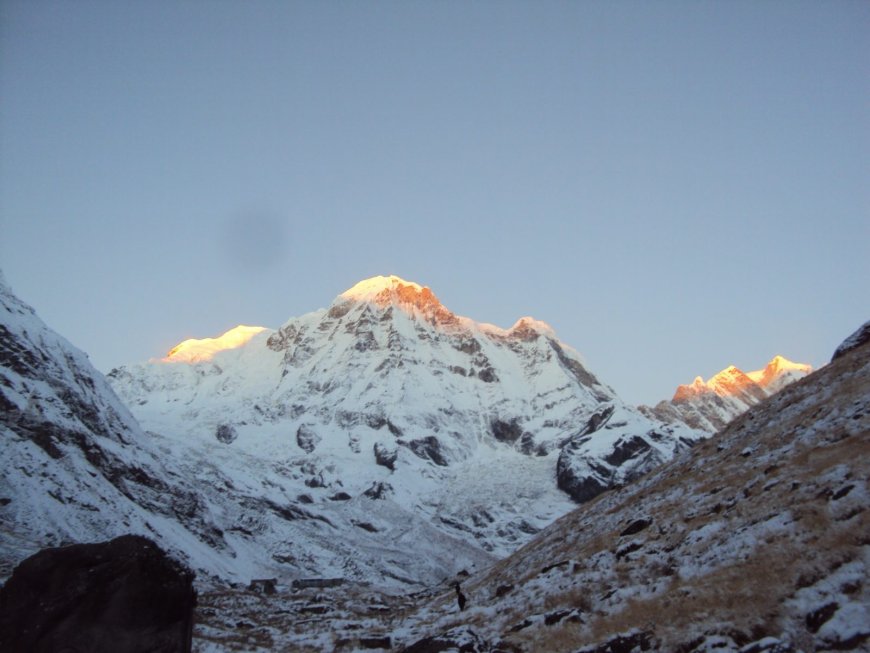
Planning an Annapurna Base Camp trek in 2026 means getting your numbers right before you even pack a boot. Prices have shifted since last season — permits, guide wages, teahouse rates, and transport all moved. Below is a practical breakdown using typical rates observed on the ground in late 2026, plus a few ways to keep the bill down without cutting corners on safety or experience.
Permit fees you cannot skip
Two permits are mandatory for every trekker on the ABC route. The Annapurna Conservation Area Permit (ACAP) is issued by the National Trust for Nature Conservation (NTNC). Foreign nationals pay NPR 3,000; SAARC nationals pay NPR 1,500. The TIMS (Trekkers' Information Management System) card costs NPR 2,000 for individual trekkers and NPR 1,000 for those in an organized group. Both are checked at multiple points along the trail. Note: if you hire a guide through a registered agency, you qualify for the group TIMS rate even as a solo trekker.
Guide and porter wages
Hiring locally remains the single biggest daily expense after permits. Current quotes from Pokhara-based agencies put guide wages at NPR 3,000–3,500 per day. Porters command NPR 2,200–2,500 daily. Those rates include their food, accommodation, and insurance. A typical 10-day ABC itinerary means budgeting roughly NPR 30,000–35,000 for a guide and NPR 22,000–25,000 for a porter.
Teahouse accommodation
Nightly rates for twin-share rooms along the main ABC corridor (Ghandruk, Chhomrong, Deurali, Machhapuchhre Base Camp) typically range from NPR 800–1,500. The lower end gets you a basic room with shared bathroom at lower elevations; the upper end reflects MBC where heating and hot water are scarce. Most trekkers spend 9–10 nights on the trail, so accommodation alone runs NPR 7,200–15,000 depending on where you stop and how high you push.
Getting to the trailhead
Pokhara to Nayapul is the standard start. Shared jeeps from the Tourist Bus Park quote NPR 800–1,000 per person. A private jeep for a group of four to six costs NPR 4,500–5,500 total. The ride takes about two hours on a paved road that deteriorates after Birethanti. Return transport carries the same rates.
Food on the trail
Meals are where daily spending varies most. A dal bhat set (rice, lentils, veg, pickle) costs NPR 500–700 at lower villages and NPR 700–900 above Chhomrong. Breakfast — typically eggs, toast, porridge, or pancakes — runs NPR 300–500. Dinner mirrors lunch pricing. Budget NPR 1,500–2,000 per day for three solid meals plus tea or coffee. Snacks, chocolate bars, and bottled water add another NPR 300–500 daily if you don't purify your own.
Total budget scenarios for 2026
| Expense | Budget (solo, shared guide) | Mid-range (private guide + porter) | Comfort (private guide, porter, better rooms) |
|---|---|---|---|
| Permits (ACAP + TIMS) | NPR 5,000 | NPR 5,000 | NPR 5,000 |
| Guide (10 days) | NPR 15,000 (shared) | NPR 32,500 | NPR 35,000 |
| Porter (10 days) | — | NPR 23,500 | NPR 25,000 |
| Accommodation (9 nights) | NPR 8,100 | NPR 11,250 | NPR 13,500 |
| Food (10 days) | NPR 15,000 | NPR 17,500 | NPR 20,000 |
| Transport (return Pokhara–Nayapul) | NPR 1,600 (shared) | NPR 5,000 (private split 2 ways) | NPR 5,500 (private) |
| Approximate total | NPR 44,700 | NPR 94,750 | NPR 104,000 |
All figures in Nepali rupees. Exchange rates fluctuate; check a live converter before you budget in USD.
Comparison: ABC 2026 vs other major treks
| Trek | Permits (2026) | Guide (10 days) | Typical duration | Est. total (mid-range) |
|---|---|---|---|---|
| Annapurna Base Camp | NPR 5,000 (ACAP + TIMS) | NPR 30–35k | 10 days | ~NPR 95k |
| Everest Base Camp | NPR 4,000 (Khumbu municipality fee) + Sagarmatha National Park fee | NPR 35–40k | 12–14 days | ~NPR 140k |
| Mardi Himal | NPR 5,000 (ACAP + TIMS) | NPR 30–35k | 5–7 days | ~NPR 65k |
| Annapurna Circuit | NPR 5,000 (ACAP + TIMS) | NPR 30–35k | 14–18 days | ~NPR 130k |
EBC costs more largely due to the Lukla flight (USD 180–210 each way in recent seasons) and longer duration. The Khumbu Pasang Lhamu Rural Municipality fee replaced TIMS in the Everest region. Mardi Himal is the shortest and cheapest of the four. Annapurna Circuit's length drives up food and accommodation even though permits match ABC.
Five ways to save without regretting it
- Share a guide and porter. Two trekkers splitting one guide and one porter cuts the staff cost nearly in half. Most agencies in Pokhara arrange this daily.
- Bring a water filter. Bottled water hits NPR 100–150 per litre above Deurali. A Sawyer or SteriPEN pays for itself in three days.
- Eat dal bhat for lunch and dinner. It's unlimited refills in most teahouses, nutritionally complete, and the cheapest hot meal on the menu.
- Walk from Nayapul to Ghandruk on day one. Skips a night's accommodation and a jeep ride to Kimche. Adds 3–4 hours but saves NPR 1,500–2,000.
- Book permits yourself in Pokhara. The TAAN office and NTNC counter at Lakeside process them in 30 minutes. Agency markup on permits is typically NPR 500–1,000.
Final word
The 2026 numbers show ABC remains the most accessible high-base-camp trek in Nepal — cheaper than Everest, shorter than the Circuit, and with better infrastructure than Mardi Himal. A solo trekker on a tight budget can do it for under NPR 45,000 if they're willing to share staff and carry their own pack. Most will land somewhere in the mid-range band. Either way, know the current rates before you arrive; last year's blog posts are already outdated.
What's Your Reaction?