





Climbing Accident in Nepal: Questions to Ask Your Operator and Embassy
Practical questions to ask your operator, insurer, and embassy before and after a climbing accident in Nepal — covering permits, evacuation plans, insurance clauses, and who to call in the first hour.

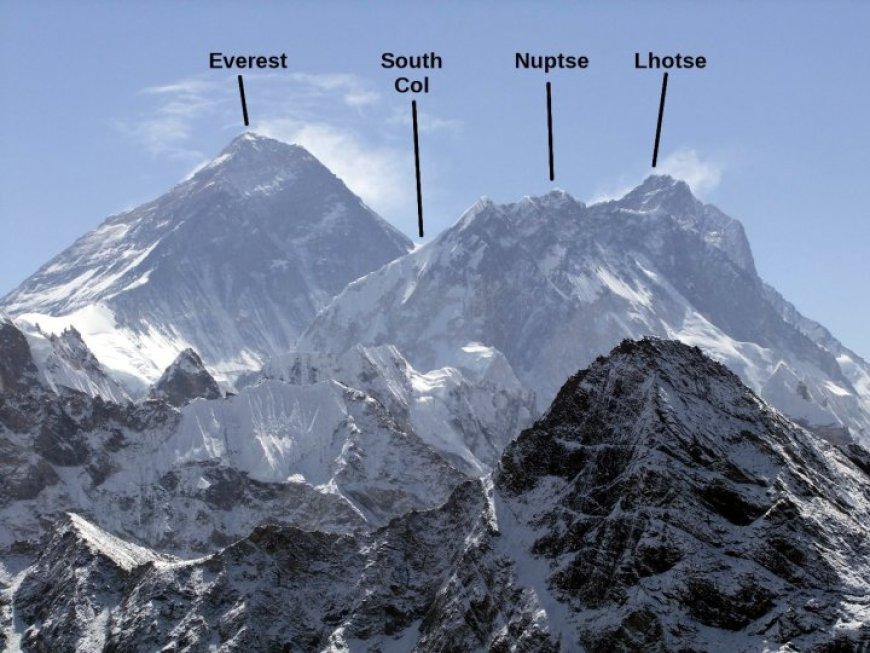
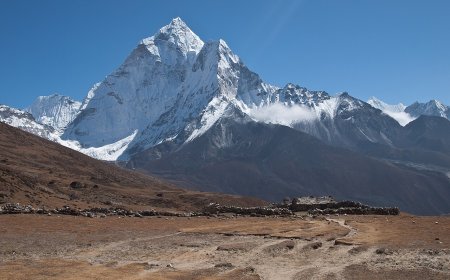
Nobody plans a trip around the worst case. But on a peak like Ama Dablam or Baruntse, the gap between a bad afternoon and a full‑scale emergency gets filled by people you have never met: an operator in Kathmandu, an insurance assistance desk in another time zone, and a consular officer who has handled a climbing accident in Nepal before. The questions below are worth asking early, while the answers are still boring.
Before you fly: questions for your operator
Most expeditions in Nepal run under a permit, and that paperwork is normally held by the agency rather than by you. Two names come up again and again: the Department of Tourism for expedition permits on the big peaks, and the Nepal Mountaineering Association for a long list of smaller climbing peaks. Ask which one applies to your objective, then ask to see the document.
Who holds my permit, and can I see a copy? If the answer is vague, that is information too.
Confirm whether a liaison officer is currently required for this peak, and how you would reach them in the field. The requirement for expedition peaks has been reviewed repeatedly in recent years, and no LO applies to NMA trekking peaks.
If something goes wrong at Camp 2, who actually makes the call? Not who pays, yet. Who decides, who telephones, and who signs off. Get names and roles rather than a general assurance that everything is handled.
What is the written evacuation plan for this route? Ask for it in a document, even a short one, and ask what changes when the weather closes in.
What insurance minimum do you require, and why that figure? An operator who can explain the reasoning is usually an operator who has dealt with a claim.
Who is your 24‑hour contact while I am on the mountain? Give that number to your family yourself. Do not assume it will be passed along.
Insurance wording worth reading twice
Policies for high‑altitude climbing are not interchangeable, and the wording matters more than the price.
What is the altitude ceiling, and does it match the highest point on my itinerary? Check the number against your actual route, not the one you meant to book.
Is helicopter evacuation covered, and who decides whether it is medically necessary? Ask whether the insurer pays the operator directly or reimburses you afterwards. That difference matters a great deal when a helicopter is waiting. In Nepal, operators almost always require payment or a firm guarantee before the flight lifts, and insurers typically demand pre‑authorisation — so confirm the exact process before you go.
What is excluded? Common ones to look for are climbing as an activity, solo travel, pre‑existing conditions, and alcohol. Ask specifically about guided roped travel.
What does repatriation mean in this policy, and repatriation to where? The definition of home country is not always the one you would write.
What is the emergency assistance number, and does it work from a Nepali mobile? Test it before you leave. A number that only answers during European office hours is not much use at 3 am in Namche.
One reason the paperwork feels heavy: after a wave of documented helicopter rescue fraud cases in Nepal, insurers now routinely require medical reports and flight documentation before releasing funds. Knowing that upfront explains why the operator asks for so much detail.
If a climbing accident has just happened: first hour, first day
This is when clear questions protect you from rumour. Follow this sequence:
- Call the operator's Kathmandu office. They coordinate the helicopter, the liaison officer (if one is assigned), and the local response. Get a name and a reference number.
- Contact the Himalayan Rescue Association (hra.org.np). They run the aid posts at Pheriche and Manang and can dispatch a doctor or advise on medical urgency.
- Ring the Tourist Police (dial 1144 in Kathmandu). They log the incident and can liaise with other agencies.
- Notify your insurer's emergency line. Confirm they have opened a case file and ask for the case number.
- Ask the operator: who has been notified so far, and by whom? Then ask which authority is involved and for a file or reference number you can quote back.
- Establish a single point of contact for your family. One name, so relatives are not piecing the story together from three different WhatsApp groups.
- Get a written summary. A short email of what is known and what happens next is worth more than a long phone call.
What to ask your embassy
Consular staff are not rescue coordinators and will not settle bills. They can still save you a lot of confusion if you ask directly.
What can you do, and what can you not do? Ask them to say it plainly, before you need it.
Who is the duty officer outside office hours? Keep the number with your travel documents.
If the worst happens, what paperwork does my country require, and who normally handles it here? This is a question, not a procedure, and the answer varies by nationality. Better to hear it once, calmly, than to learn it later.
Can you give me a list of local hospitals, translators or lawyers? Embassies often keep such lists and will share them on request.
Keep one page
Names, numbers, policy number, assistance line, embassy duty officer, permit holder, HRA contact, Tourist Police number. Print it and leave a copy at home. Rules and insurer terms do change, so confirm anything you are relying on with the issuing body and get the answer in writing rather than trusting a forum post from three seasons ago. For more on pre‑trip paperwork, see our Nepal trekking permits guide.
What's Your Reaction?