









Nepal's Green Leaf Tea Price: From Basket to Export Buyer
Nepal's green leaf tea price is agreed at collection points but rarely published. A look at how Ilam and Dhankuta leaf is weighed, processed and exported, and where a verifiable price is missing.

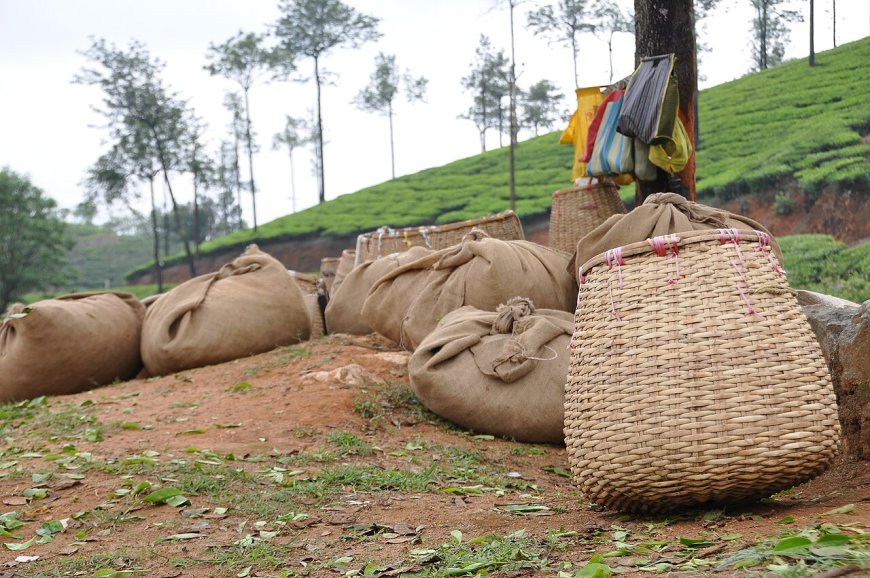
Ask what a kilo of fresh tea leaf is worth on a given morning in Ilam and you will get an answer. Ask for it in writing, or ask where a reader could look it up, and the answer gets vaguer. The rate is agreed at a collection point, written on a slip, paid a few days later, and after that it lives in a factory's books. What this piece ends up being about is that gap: the distance between a price the trade knows and a price anyone outside it can actually check.
The growers are mostly small
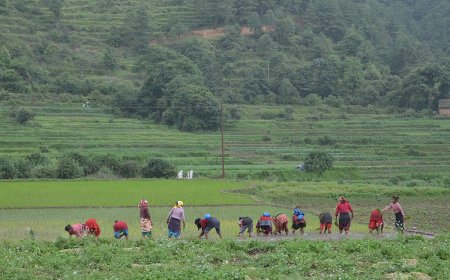
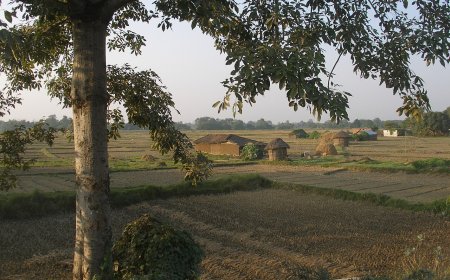
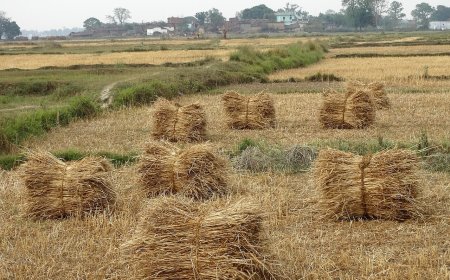
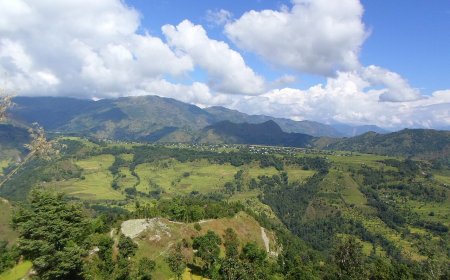
Nepal's tea industry is built on the eastern hills. Ilam tea and Dhankuta tea carry the reputation, with Panchthar close behind, and all three districts are a patchwork of smallholdings rather than a handful of large estates. The typical tea smallholder here is a family with a plot, not a company with a workforce. Plucking is done by hand, usually by the household itself, sometimes with hired help in the peak weeks.
Scale shapes everything downstream. One household's morning pick is a small volume, so the grower turns up at a collection point with a basket and very little leverage. Leaf cannot wait. Once plucked it begins to heat and wilt, and quality falls within hours. Selling today at the offered rate usually beats holding out for a better one tomorrow.
Delivery, weighing, and the slip
The first handover is local and informal. Leaf goes into a doko or a sack, is carried to a centre run by a factory or a buying agent, and is weighed. Some growers have a long-standing arrangement with a single factory. Others sell to whoever is buying that day. Either way, the weighment is the moment that decides the grower's income.
Two things get recorded: weight, and depending on the buyer, some assessment of condition. Moisture, bruising from a badly packed basket, leaf that sat too long in the sun, all of it can pull the rate down. This is the part of the chain where trust does the most work, because the grower is not standing at the scale with an independent check.
The price, on the day
What a collection point pays on a Tuesday morning depends on a handful of things that are never written up anywhere: the flush, the weather of the past week, how much leaf the factory already has on the withering floor, and how clean the basket looks when it is tipped out. A few factories post a rate at the gate. Others tell the collector, who tells the growers. Plenty of transactions run on a standing arrangement where the rate is understood rather than announced.
So the record exists, but only at the level of the individual deal. Weighment slips, a buying ledger, a payment entry. Nobody in Nepal appears to aggregate those into a series that a grower, a journalist or a curious reader could consult. That is the question this article keeps circling back to, and it gets a full section further down.
What the factory does with it
Fresh leaf has to be processed the same day. The factory spreads it out to wither, then runs it through the steps that turn a heavy, wet leaf into something light and stable enough to bag and ship. Made tea weighs a small fraction of what came in through the gate. The trade calls that ratio recovery, and it is usually reckoned at something like one part made tea to four or five parts green leaf, though it moves with the flush, the wither and how hard the factory is running its lines. Nepali factories do not publish their own recovery figures, so treat any single number you hear as a rule of thumb rather than a measurement.
Here the geography matters, because two different teas come out of two different landscapes. Orthodox tea is the hill crop: Ilam, Dhankuta and Panchthar, smallholdings on slopes, leaf handled gently through rolling and drying on machinery that keeps its style intact. It takes more labour and more floor space, and it is what most people mean when they talk about Nepali tea abroad. CTC tea, crushed, torn and curled into small uniform pieces, is concentrated in the Terai, above all in Jhapa, where the land is flat, volumes are larger, and the leaf supply looks quite different from a hillside garden. CTC suits high-volume production and mostly serves the domestic market and the Indian bulk trade. Both teas start from baskets of green leaf, but they are not the same trade, and their prices move for different reasons.
From the factory gate to the Nepal tea export buyer
The Nepal tea export trade is where both the money and the paperwork improve. Made tea is graded, packed and sold to buyers who may be trading houses, blenders or overseas importers. India has long been the dominant destination, and a large share of what Nepal produces crosses the border rather than being drunk at home. Orthodox lots also reach Europe, Japan and the United States, in volumes that are small next to the Indian trade. An old grievance among Nepali producers is that a good deal of hill tea is blended across the border and re-exported under another origin's name.
At this end of the chain, documents exist: invoices, grading records, shipping papers, buyer contracts. The further the leaf travels from the bush, the more of its journey is written down. The awkward part is that the best-documented stretch of the chain is the stretch the grower never sees.
Where the Ilam tea green leaf price is published, and where it isn't
This is the finding that matters most, so it should be stated precisely and with names attached. The bodies a reader would reasonably expect to hold a green leaf price on file are the National Tea and Coffee Development Board, the statutory board under the agriculture ministry that handles plantation registration and industry statistics; the producers' associations, chiefly the Nepal Tea Association and the Nepal Orthodox Tea Producers Association; and, at district level, the cooperatives and collection committees that sit between growers and factories around Ilam, Dhankuta and Jhapa.
What I checked, on 30 October 2026: the board's public pages and published materials, the associations' websites and public statements, cooperative and factory pages reachable online, and Nepali-language reporting on the trade. What I found was a lot of discussion of price and almost no documentation of it. No dated rate table in a stated unit, issued on a schedule, that a grower could hold against a payment slip. Trade coverage reports movement and complaints rather than numbers. Nepal has nothing quite like India's auction centres, where each sale is recorded and the results published afterwards, so there is no obvious place for a reference price to accumulate.
One counter-example would settle it. A board notice setting a floor rate. A cooperative circular. A factory's own typed notice taped up at the gate, photographed and dated. Any one of those would turn this section from a negative finding into a documented one, and I would rather be corrected than stay vague. If such a document exists, it is not in the places an outside reader would look.
The practical advice, in the meantime, is unglamorous. Ask the factory for the day's rate in writing. Keep every weighment slip. Compare slips across a season rather than across a single delivery, because a week of wet weather explains more than any rumour at the gate. A grower with a folder of slips is in a stronger position than one with a memory of what somebody said.
What an outside reader should take from the chain
A family plucks. A basket is weighed. A factory processes within hours. An exporter sells something the grower will never set eyes on. Every one of those steps is real and reasonably well understood, and only the first one, the one at the scale, has left no public trace. That is not a scandal. It is just an absence, and absences are worth naming.
Note on sourcing: this article describes how the chain is generally organised and quotes no price figures, because no verifiable published green-leaf price series could be confirmed. The search described above was carried out on 30 October 2026 and is worth repeating. Where a specific rate is needed, it should come from a dated document issued by the buyer or a recognised industry body.
What's Your Reaction?