




Everest Base Camp Trek Permits: What You Need and Where They're Checked
An Everest Base Camp trek needs two separate permits: a Sagarmatha National Park entry permit and a Khumbu Pasanglhamu Rural Municipality permit. Here's what each one covers, where to get them in Kathmandu or on the trail, the order the checkpoints come in from Lukla to Namche and back, and what to do if a card goes missing. No fee figures are quoted here on purpose, and we explain why.

Two permits, not one. That is the first thing to get straight about Everest Base Camp trek permits, and it is where a fair number of people lose half a day in Kathmandu, or end up arguing at a checkpost above Lukla with a card that only covers half the route.
One comes from the national park service. The other comes from the local government that runs the Khumbu. Different offices issue them, they cost different amounts, and neither one stands in for the other.
The two cards, in plain terms
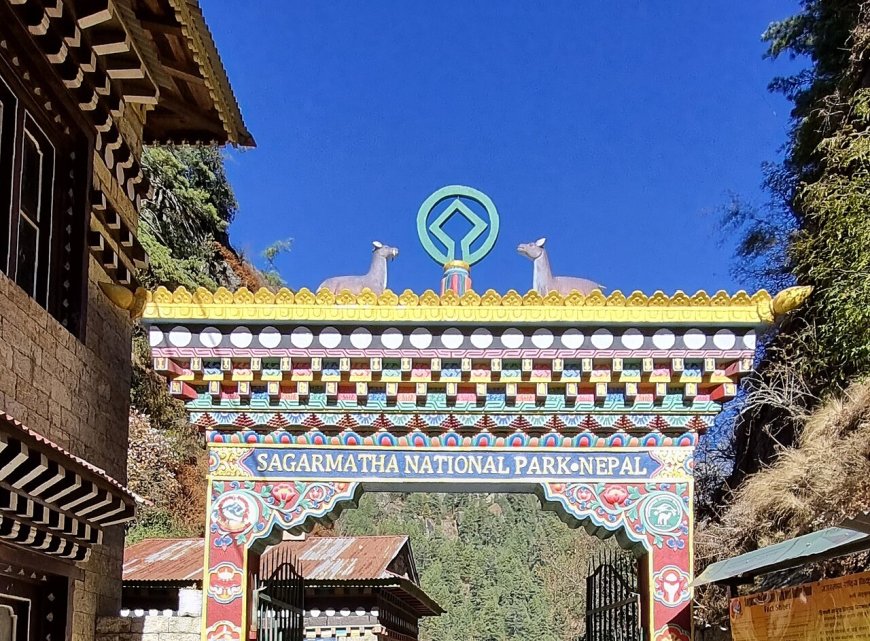
Sagarmatha National Park entry permit. Required for anyone entering the park, which effectively begins around Jorsale and Monjo. It is issued under the Department of National Parks and Wildlife Conservation, and the park counter is where it gets checked on the way in.
Khumbu Pasanglhamu Rural Municipality permit. The local entry card for the municipality's area, which takes in Lukla and the villages up the valley. It came in when the rural municipality took over local permit issuing, and for Khumbu treks it is the card that replaced the older national arrangement.
What about TIMS? The Trekkers' Information Management System card is the standard trekking permit across most of Nepal, but Khumbu runs on its own local permit instead. If an agent in Kathmandu tries to sell you a TIMS card for an Everest trek, ask them which checkpoint is going to ask to see it. Sometimes the honest answer is none.
Where you actually pick them up
In Kathmandu, the park permit has traditionally been available from the Nepal Tourism Board office at Bhrikutimandap as well as from the department itself. Doing it in the city is the tidy option: you arrive in Lukla with the paperwork already done and walk straight out of the airport.
The other option is the trail. There are permit counters at Lukla and at Monjo, and they exist precisely because plenty of trekkers don't sort anything before flying. Monjo sits just below the park entrance, so you can pick up both cards there in one stop if you'd rather not deal with it in Kathmandu. Doing it at Lukla means one less queue later.
One practical thing: government offices in Nepal close on Saturdays. Land on a Friday, spend Saturday in Kathmandu, and you may be waiting until Sunday or Monday for a counter to open. If your Lukla flight is tight, that matters.
Why there are no rupee figures on this page
Both fees are set by the issuing bodies themselves and both have been revised more than once. We don't have dated notices from the park department and the rural municipality in front of us for the season you're travelling, so we're not printing a number and dressing it up as current. Plenty of trekking pages do exactly that, and you can usually spot them by the fee table that hasn't moved in six years.
What we will say: budget in Nepali rupees and carry cash. The counters are not the place to find out your card doesn't work, and the park fee has historically been quoted before VAT, which is a small trap when you're counting notes. Check the department's own site and the rural municipality's own notice before you fly, and add a buffer rather than budgeting to the rupee.
The checkpoint order, from Lukla up
This is the part that catches people out, because the checks are not all in one place and they are not all run by the same body.
- Lukla, on arrival. Expect to register and, if you haven't bought permits yet, to buy them here. This is also where the local card usually gets issued.
- Monjo, or the Jorsale side of the bridge. The park entrance. Both cards get looked at, your details get written down, and this is the check people most often fail because they left one card in a duffel bag back at the lodge.
- Namche Bazaar. There's a checkpoint as you come into town, and the park headquarters is here too. Keep both cards on you rather than in your pack.
- Side valleys. If you're adding Gokyo or a trip up towards Chhukung instead of going straight to base camp, expect further checks on those routes. Same rule: the cards live in your jacket, not your bag.
- Lukla again, on the way out. You sign out. It's quick, but it's a real step, so don't sprint for a flight and skip it.
The permits are tied to your passport and they are not transferable, so the name on the card needs to match the name on the document you're carrying. Sounds obvious. People still get caught by a nickname on a booking form.
If you lose a card
Photograph both permits and your passport page the day you get them, and keep the photos somewhere that isn't the phone you might leave in a teahouse. If a card goes missing, go back to the counter that issued it. Replacement is at their discretion, and yes, you may end up paying again. Having the photo and the receipt makes that conversation much shorter.
The licensed guide question
Whether a licensed guide is compulsory has changed more than once, and it has been applied unevenly between regions. We're not going to state a rule here that could be a season out of date, because getting that wrong is expensive for you and embarrassing for us. Check the current position with Nepal's Department of Tourism, or with a licensed trekking agency, before you commit to a date. And note that plenty of people hire a porter-guide on the Khumbu regardless of what the rule says, because the route above Namche is a lot more enjoyable when someone else is carrying the load and knows which lodge has the good dal bhat.
What to bring to the counter
Passport, plus a photocopy of the photo page. Two or three passport-sized photos, since you'll need them for one thing or another on this trip anyway. Cash in rupees. A pen, which sounds trivial until you're fourth in a queue and nobody has one. And your trekking itinerary roughly in mind, because the forms ask where you're going and a vague shrug slows everything down.
One seasonal note
If the plan is spring 2027, the permits are not what will hold you up. Lukla flights and beds in Namche are. Sort the paperwork early, then stop thinking about it and start thinking about boots that fit properly.
This page was last reviewed in November 2026. It deliberately carries no fee amounts, because both issuing bodies revise them and we won't publish a figure we can't date and attribute. Confirm the current fees with the Department of National Parks and Wildlife Conservation and with Khumbu Pasanglhamu Rural Municipality before you travel.
What's Your Reaction?