








Everest Helicopter Flights: What to Check Before You Book
A practical, reader-focused guide to Everest helicopter flights in Nepal: who regulates the operators, what documents to ask for, how mountain weather decides whether you fly, what happens to your body at 5,000 metres, which permits are involved, what drives the price, and why travel insurance needs to be checked in writing before you pay.

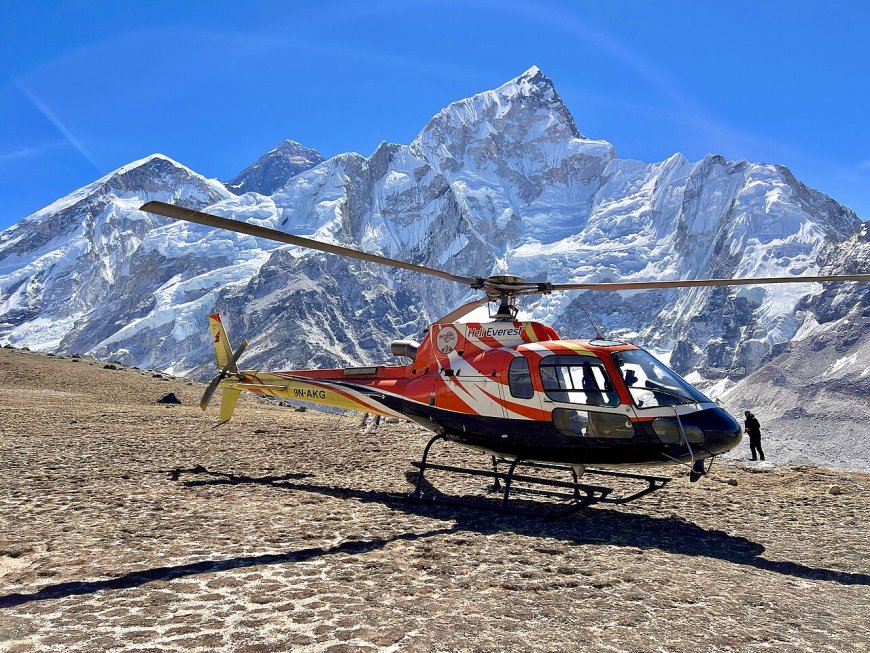
Everest helicopter flights are sold as the shortcut: no ten-day trek, no weather-beaten Twin Otter hop into Lukla, no nights spent sleeping at altitude. Much of that is fair. What the booking pages tend to leave out is the part where you, the passenger, do some checking of your own, because two flights that look identical on a website can be run quite differently in the air.
What the flight actually involves
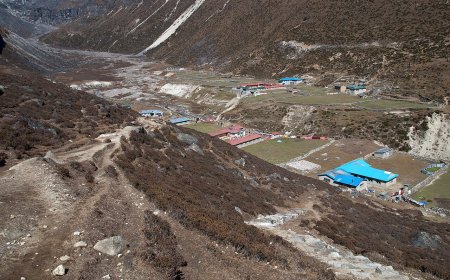
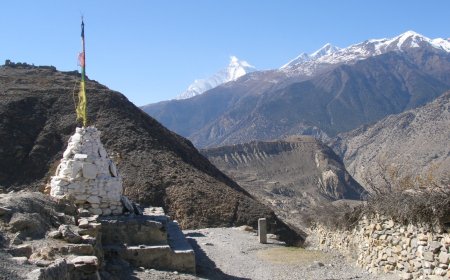
A typical day trip leaves Kathmandu early, when the valley is still clear. It heads east, sets down briefly at Lukla or a nearby stop, then follows the Dudh Kosi valley up past Namche Bazaar and Syangboche before climbing toward the Khumbu glacier. The landing itself is usually near Everest Base Camp or at Kala Patthar, somewhere around 5,500 metres, and you are on the ground for a short time only. Then it is back down the valley, with the whole thing wrapped up by late morning.
There are other versions. Some groups charter a helicopter for several days of trekking support. Some use one to skip the Lukla flight entirely and start walking from there. And some flights are medical evacuations, which is a different business altogether and not something to book through a tour desk. Ask which one you are buying.
Find out who is actually flying
Many Everest helicopter flights are sold by trekking agencies, hotels or online resellers rather than by the operator. That is not automatically a problem, but you should know which company holds the aircraft and the licence. Nepal's helicopter operators are regulated by the Civil Aviation Authority of Nepal (CAAN), and a legitimate operator holds an air operator certificate. Ask for the company name and, if you want to be thorough, ask the agency to point you to the operator's certificate or their CAAN listing. A reseller who cannot name the operator is a warning sign.
Beyond the paperwork, ask about the pilot. How much time have they flown in the Khumbu? Mountain flying here is not the same as flying the plains, and experienced operators will tell you plainly who is at the controls.
Weather makes the decision, not your itinerary
This is the single thing most first-time passengers underestimate. Flying in the Khumbu is largely done under visual flight rules, meaning the pilot has to be able to see where they are going. A helicopter can outclimb a trekker, but it cannot climb through cloud, and in the wrong conditions nobody is going anywhere.
That is why departures are stacked early in the morning. Cloud builds through the day, and by afternoon the valleys can be shut. Even a clear Kathmandu morning tells you little about what is happening at Lukla or up by Base Camp.
So ask two practical questions before paying. If the flight is cancelled for weather, what happens: reschedule, refund, or nothing? And what is the operator's cut-off for calling it off? An operator who promises the flight will go regardless is telling you something about how they do business. If the trip matters a great deal to you, do not book it for the morning of your international flight home.
Altitude, oxygen and your own health
Going from Kathmandu to a landing point above 5,000 metres inside an hour is a big jump, and there is no acclimatisation built into a day tour. Many operators carry supplemental oxygen and brief passengers on it; ask whether yours does. Anyone with heart or lung conditions should speak to a doctor before booking, and nobody should treat a scenic flight as a substitute for proper altitude preparation on a longer trip.
Weight, baggage and the small print
Light helicopters are exactly that: light. Passengers are usually weighed before boarding and baggage is tightly limited, sometimes to a few kilograms per person. If you are travelling with a full trekking pack, expect it to travel separately or not at all. Ask about the limits when you book rather than at the helipad.
Permits and paperwork
Landing inside the national park area means permits, and for the Khumbu that normally includes a Sagarmatha National Park entry permit and a fee levied by the local municipality. Most operators handle both as part of the package. Get the inclusions confirmed in writing, and carry your passport, since it is the document the permits are tied to.
What you are actually paying for
Prices vary widely and are best asked for directly rather than compared across old blog posts. The main drivers are simple enough: whether you are buying a single seat on a shared flight or chartering the whole aircraft, how many people end up on board, which landing site and altitude is involved, how long the flight runs, the season, and whether transfers and permits are included. A cheap quote that excludes park fees or the Lukla stop is not really cheaper. Treat any price you read online, including from an operator, as subject to change until it is confirmed in writing.
Insurance: read the wording, not the summary
Standard travel policies handle scenic flights and high-altitude landings in inconsistent ways. Some exclude aviation altogether, some set an altitude ceiling above which cover stops, and helicopter evacuation is often treated separately with its own conditions. Before you pay for the flight, ask your insurer in writing whether a scenic helicopter flight and a landing above 5,000 metres are covered, and whether helicopter rescue in the Khumbu is included or needs a separate clause. A policy summary is not the policy.
When the odds are best
Autumn and spring, roughly October to November and March to May, generally bring the clearer skies and the more reliable flying mornings. The monsoon months and deep winter see more cloud, more cancellations and more waiting around. None of this is a guarantee, and a clear week in the off-season beats a cloudy one in peak season, but it is worth planning around.
A short pre-booking checklist
Name of the operator, and confirmation that they hold a current air operator certificate. The pilot's experience in the region. Whether oxygen is carried. The weather cancellation and refund policy, in writing. Baggage and passenger weight limits. Which permits are included. And a straight answer on what your travel insurance actually covers.
None of this is complicated. It is just the sort of checking that a glossy booking page will not do for you, and the difference between a good morning above the Khumbu and a wasted one usually comes down to who is flying and whether the sky cooperates.
What's Your Reaction?