



Nepal Trek Guide: 5 Routes Beyond Everest, Chosen by Season and Crowd
A practical framework for choosing a Nepal trek beyond Everest and Annapurna. Five routes — Manaslu, Langtang, Upper Mustang, Kanchenjunga, Upper Dolpo — are compared by season, duration, altitude, permits, access, cost drivers and crowd level, with up‑to‑date 2026‑27 planning notes and links to official sources.

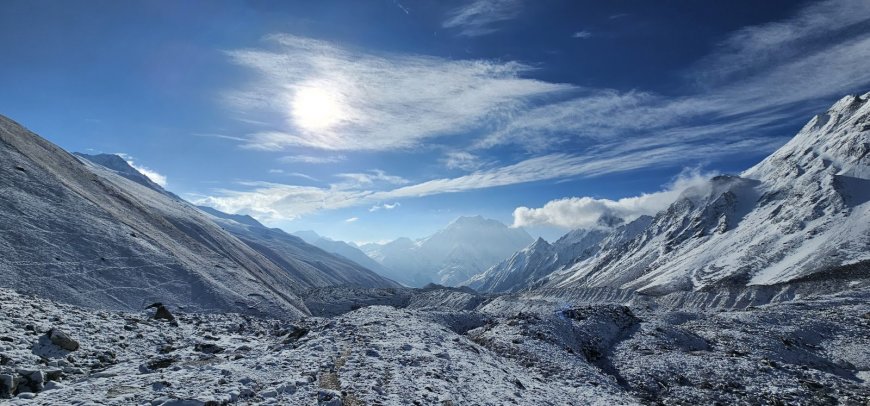
Autumn 2026 treks are already on the trail. If you are reading this in early October, the main-season window for Langtang, Manaslu and Annapurna is underway — groups are moving, teahouses are full, and the post‑monsoon air is usually clear. Bridge repairs and road access on the western approaches to Manaslu and the northern exit from Langtang are still being assessed after recent flooding in the Trishuli and Bhote Koshi corridors. Check the Nepal Tourism Board trail notices and your operator's latest update before you commit to an autumn departure.
Spring 2027: the planning window that matters now
For a March–May 2027 trek, the decision deadlines are closer than they feel. Restricted‑area permits for Manaslu, Upper Mustang, Kanchenjunga and Dolpo require a licensed agency and a minimum group size (usually two). Many agencies open spring bookings in November; popular guides can be booked by January. TIMS cards and conservation‑area permits can be arranged later, but the restricted‑area paperwork is the pacing item. If you want a spring 2027 departure, start talking to agencies this month.
How to use this framework
Each destination below is scored on the same five axes so you can rule options in or out. No ranking — just the trade‑offs that matter for your dates, budget and tolerance for crowds.
Manaslu Circuit
Season window: Late March to late May, late September to late November. Spring brings rhododendron bloom at mid‑elevations; autumn offers the most stable weather but the heaviest foot traffic.
Realistic duration: 14–16 days from Kathmandu to Kathmandu, including the Larkya La crossing (5,106 m).
Altitude and acclimatisation: Sustained days above 3,500 m; Larkya La is a serious pass day. Build two rest days into the itinerary.
Permit status: Restricted area — Manaslu Conservation Area Permit (MCAP) plus Restricted Area Permit (RAP) issued by the Department of Immigration through a licensed agency, minimum two trekkers. Guide mandatory.
Access and exit: Drive to Soti Khola (7–8 hours from Kathmandu, road conditions variable). Exit via Dharapani onto the Annapurna Circuit trail — this requires an Annapurna Conservation Area Permit (ACAP) in addition to MCAP and RAP — or reverse the drive.
Nearest substitute: Annapurna Circuit. Manaslu is quieter, more culturally Tibetan, and the Larkya La is a single high pass compared with Thorong La spread over more days. Choose Manaslu if you want restricted‑area solitude and can handle a longer approach. Avoid if you need flexible exit options or a shorter time commitment.
Who should not choose this: Trekkers without prior multi‑day altitude experience or those who cannot commit to a two‑week itinerary.
Langtang Valley
Season window: March–May, October–November. Spring wildflowers; autumn clarity. Winter is possible but cold; monsoon brings leeches and landslide risk on the approach road.
Realistic duration: 7–9 days round‑trip from Kathmandu.
Altitude and acclimatisation: Kyanjin Gompa sits at 3,870 m; Tserko Ri (5,033 m) is a day hike. Moderate altitude profile — good for a first proper Himalayan trek.
Permit status: Langtang National Park entry permit plus TIMS (verify current requirement and fee with the Nepal Tourism Board). A guide is not mandatory but strongly recommended for navigation and emergency support.
Access and exit: Drive to Syabrubesi (6–7 hours). The Pasang Lhamu Highway suffered damage in late‑August flooding; confirm road status with your operator.
Nearest substitute: Helambu or the Ghorepani/Poon Hill loop. Langtang gives higher altitude, glacier views and a stronger Tibetan cultural layer. Helambu is lower, shorter, and easier to reach if the Syabrubesi road is compromised. Choose Langtang for a first high‑altitude teahouse trek with solid evacuation options. Avoid if you want true wilderness or restricted‑area remoteness.
Who should not choose this: Hikers looking for a remote camping experience or restricted‑area permits.
Upper Mustang
Season window: Late March to early November. Rain‑shadow location makes it viable in monsoon (June–September) when other treks are wet — a genuine seasonal differentiator.
Realistic duration: 10–12 days from Jomsom to Jomsom, plus flights/drives to/from Pokhara.
Altitude and acclimatisation: Lo Manthang at 3,840 m; passes to 4,200 m. Less sustained high sleeping altitude than Manaslu or Kanchenjunga.
Permit status: Restricted area — historically US$500 per person for the first 10 days (fee set by the Department of Immigration), plus ACAP. Licensed agency and guide mandatory; minimum two trekkers. Confirm the current rate with the Department of Immigration before booking.
Access and exit: Fly Pokhara–Jomsom (weather‑dependent) or drive the Kali Gandaki corridor (rough, 8–10 hours).
Nearest substitute: Lower Dolpo. Upper Mustang offers vehicle‑supported access, established teahouses, and a living Tibetan Buddhist culture in a preserved walled city. Lower Dolpo is wilder, camping‑based, and harder to reach. Choose Upper Mustang for cultural depth with logistical simplicity. Avoid if the permit cost is a blocker or you want a camping wilderness experience.
Who should not choose this: Travellers on a tight budget or those seeking high‑altitude pass trekking.
Kanchenjunga Base Camp (North and/or South)
Season window: April–May, October–November. Spring for rhododendrons; autumn for stability. Winter closes the high passes; monsoon is brutal in the far east.
Realistic duration: 20–24 days for both base camps; 16–18 for one side.
Altitude and acclimatisation: Pangpema (North Base Camp) at 5,143 m; multiple passes above 4,500 m. Serious altitude commitment — three weeks minimum.
Permit status: Restricted area — Kanchenjunga Conservation Area Permit plus RAP through licensed agency. Guide mandatory; minimum two trekkers.
Access and exit: Fly to Bhadrapur (Chandragadhi) or Biratnagar, then a long drive to Taplejung (10+ hours). Same route out. There is no scheduled flight to Taplejung/Suketar; road access is the only option.
Nearest substitute: Makalu Base Camp. Kanchenjunga is longer, more remote, and culturally Limbu/Rai rather than Sherpa. Makalu is slightly shorter but equally demanding. Choose Kanchenjunga for the far‑east wilderness feel and if you have three weeks. Avoid if you have less than 18 days or want teahouse comfort throughout — camping sections remain standard.
Who should not choose this: Anyone with limited time, a low tolerance for camping, or no prior high‑altitude trekking experience.
Upper Dolpo (Shey Phoksundo)
Season window: Late April–June, September–October. The high passes (Kang La 5,350 m, Saldang La 5,200 m) demand stable snow conditions.
Realistic duration: 22–28 days. No shortcuts.
Altitude and acclimatisation: Sustained trekking above 4,000 m; multiple 5,000 m+ passes. Expedition‑grade acclimatisation required.
Permit status: Restricted area — Lower Dolpo and Upper Dolpo permits separate, both via licensed agency. Group minimum two; guide and full camping crew mandatory.
Access and exit: Fly Nepalgunj–Juphal (weather‑dependent), trek in. Reverse or exit via Jomsom (adds a week).
Nearest substitute: None quite like it. Lower Dolpo is shorter but misses the crystal monasteries and Phoksundo Lake. Choose Upper Dolpo for the deepest cultural and wilderness immersion in Nepal. Avoid if you lack time, budget for full camping logistics, or high‑altitude experience.
Who should not choose this: Trekkers without expedition‑level fitness, a flexible schedule, or a generous budget.
First‑trek block: where to start
Langtang Valley and the lower Annapurna foothills — especially the Ghorepani/Poon Hill loop — remain the soundest first Himalayan treks. They are teahouse‑supported, have moderate altitude, good helicopter evacuation access, and are reachable by road from Kathmandu or Pokhara. Do not start on Manaslu, Kanchenjunga, Upper Mustang or Dolpo. The restricted‑area logistics, mandatory guide rules, altitude profile and evacuation complexity assume prior multi‑day trekking experience.
Kathmandu spare‑day hikes
If you have a buffer day at either end: Nagarkot (sunrise views, 1.5‑hour drive), Champadevi (half‑day, temple ridge), or Shivapuri National Park (day hike to Nagi Gompa, permit at gate). All are teahouse‑free day trips — carry water, start early, and check monsoon trail conditions if hiking June–September.
What drives cost — and where to verify
No two treks cost the same because the drivers shift by region and season. The main levers: restricted‑area permit tier (Manaslu, Mustang, Kanchenjunga, Dolpo each have different fee structures); conservation‑area or national‑park entry; TIMS registration (required for most non‑restricted treks — verify current rule with NTB); guide and porter wages (set by TAAN, revised annually); teahouse vs lodge vs full camping logistics; domestic flights (Pokhara–Jomsom, Nepalgunj–Juphal) which are weather‑sensitive and book early; road transport legs (Kathmandu–Syabrubesi, Kathmandu–Soti Khola, Pokhara–Jomsom drive); and insurance with helicopter evacuation coverage — confirm your policy covers your maximum sleeping altitude.
Print no figures here. Charges and rules are revised periodically. Before you book, verify current rates at: Department of Immigration (restricted‑area permits), Nepal Tourism Board (TIMS, conservation‑area fees), TAAN (guide/porter wage guidelines), and your licensed agency for the all‑in quote. Cross‑check with at least two agencies — quotes vary widely, so compare line by line.
Crowd character: planning guidance
Autumn 2026 on the main Annapurna and Everest trails: high pressure, teahouse booking essential. Manaslu and Langtang: moderate — busy at key stops (Samagaon, Kyanjin) but space usually found. Upper Mustang, Kanchenjunga, Dolpo: low — you will share passes with few groups. Spring 2027 will mirror this pattern. This assessment is based on operator reports and Department of Tourism arrival trends, not measured counts.
Your next step
Pick two destinations from the five above that fit your spring 2027 window and duration. Email three licensed agencies this week with your dates, group size, and those two options. Compare their itineraries, permit handling, and all‑in quotes. The agency that asks the most questions about your experience and insurance is usually the one to trust.
What's Your Reaction?