






Remote Work in Nepal: A Practical Guide for Digital Nomads
A practical, up‑to‑date guide for digital nomads considering Nepal: visa reality, everyday banking, tax basics, connectivity, popular bases, cultural tips, and how to keep current with changing rules — all without relying on unverified numbers.

Nepal has long drawn travelers with its mountains, culture, and relatively low cost of living. In recent years, remote workers have started asking whether they can stay longer and work legally from Kathmandu, Pokhara, or the hill towns surrounding the valley. Here is a practical overview of how things work on the ground.
Is There a Dedicated Digital Nomad Visa?
Despite periodic announcements and media reports going back several years, Nepal has not yet published a standalone digital nomad visa category in the official gazette. The Department of Immigration continues to issue the standard visa types: tourist, business, study, and non‑tourist visas. Several government bodies have discussed a long‑stay remote‑work visa, and draft proposals have circulated, but no final regulation with defined eligibility, fees, or application procedures has been enacted.
If you see articles quoting exact income thresholds, form numbers, or fee schedules for a "digital nomad visa," treat them as speculation or outdated drafts. The only authoritative source is the Department of Immigration (immigration.gov.np) or a Nepali embassy.
Visa Options Currently Used by Remote Workers
Tourist Visa
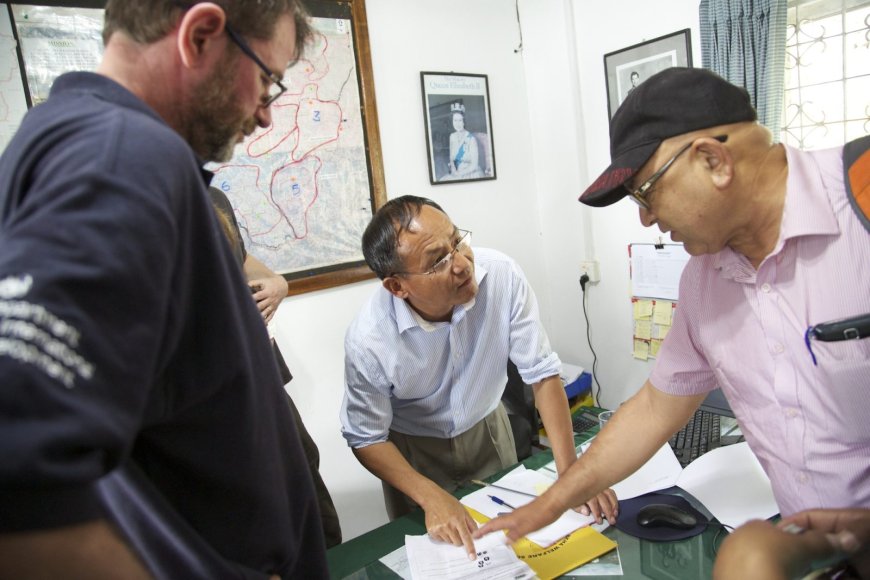
Most foreign remote workers enter on a tourist visa, available on arrival at Tribhuvan International Airport and land borders for many nationalities. It can be extended at the Department of Immigration in Kalikasthan. The visa does not authorize local employment, but immigration practice generally tolerates remote work for foreign employers as long as no Nepali labor‑market activity occurs.
Business Visa
If you have a contract with a Nepali company or are exploring business incorporation, a business visa is the appropriate route. It requires sponsorship from a registered Nepali entity and approval from the relevant government agency. This is not a fit for pure remote workers without local ties.
Non‑Tourist Visa
Categories exist for volunteers, researchers, and dependents of work‑permit holders. These require institutional sponsorship and are not designed for independent freelancers.
Practical Considerations for Longer Stays
Visa Extensions and Overstay
Tourist visa extensions are routine but require an in‑person visit (or an authorized agent) at the immigration office. Overstay fines accrue daily and can complicate future entry, so plan your calendar to extend before the current stamp expires.
Income and Banking
You cannot hold foreign currency in a standard Nepali bank account; incoming foreign currency is converted at the bank’s rate. Non‑resident rupee accounts can be opened with a passport, visa copy, and proof of address (a hotel letter works initially). Major commercial banks are commonly used. International card withdrawals carry fees from both the local ATM network and your home bank. Services such as Wise and Revolut work for topping up a local debit card.
Tax Residency
Nepal taxes worldwide income for anyone who meets the physical‑presence threshold for tax residency in a fiscal year. A tourist visa does not exempt you. Double‑taxation avoidance agreements exist with several countries. The rules are nuanced; consult a Nepali chartered accountant if you expect to stay long enough to trigger residency.
Connectivity
Ncell and Nepal Telecom (Ntc) sell tourist SIMs at the airport and city counters with a passport and photo. For longer stays, register the SIM in your name at a company store — you’ll need your visa and a local address. 4G covers most urban areas; 5G has appeared in parts of Kathmandu and Pokhara.
Where Remote Workers Tend to Base Themselves
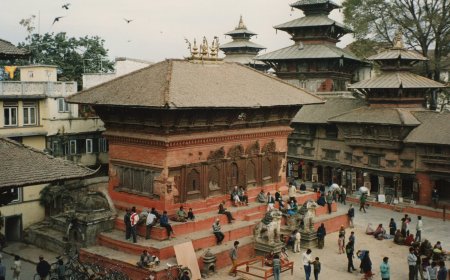
Kathmandu (Thamel, Lazimpat, Jhamsikhel)
Highest concentration of coworking spaces and cafés with reliable Wi‑Fi. Fiber speeds in better buildings are sufficient for video calls and large uploads. Furnished one‑bedroom rents vary by neighborhood and building quality. Traffic congestion and winter air quality are the main drawbacks.
Pokhara (Lakeside)
Quieter, scenic, with fewer coworking options (hotel business centers and a few dedicated spaces). Fiber reliability has improved. Lakeside apartments with mountain views are available at a range of price points. Internet is generally adequate for most remote‑work tasks.
Lalitpur / Patan (Jhamsikhel, Kupondole)
Wider footpaths, more green space, and a growing café cluster. Coworking options are expanding. Rents sit between Kathmandu and Pokhara levels.
Hill Towns: Dhulikhel, Bandipur
Within a few hours of Kathmandu. Dhulikhel has seen recent fiber upgrades; a few homestays now cater to remote workers. Bandipur’s pedestrianized bazaar is charming but internet remains spotty outside select guesthouses. These towns suit month‑long sprints rather than year‑long stays.
Culture, Safety, and Daily Life
- Remove shoes before entering homes and temples.
- Use the right hand for eating and giving/receiving.
- Public affection is frowned upon outside tourist zones.
- Petty theft in busy tourist areas after dark — keep valuables out of sight.
- Pokhara is generally safer; don’t leave gear unattended by the lake.
- Earthquake preparedness: know your building exits, keep a go‑bag with water, document copies, and a power bank.
How to Stay Informed
Immigration rules can change with little notice. Before booking flights or signing a lease, confirm current requirements directly with the Department of Immigration (immigration.gov.np) or the nearest Nepali embassy. Join active expat and digital‑nomad groups on Telegram or Facebook for real‑time updates from people on the ground. The landscape shifts; the best plan includes a buffer of time and money for unexpected visa runs or policy changes.
What's Your Reaction?