



Island Peak Climbing Guide for Beginners: Imja Tse Route, Readiness and Booking Checks
A practical beginner's guide to climbing Island Peak (Imja Tse): what the route asks of you, how it compares with Lobuche East and Everest Base Camp, a readiness self-assessment, and the checks to make before you book.

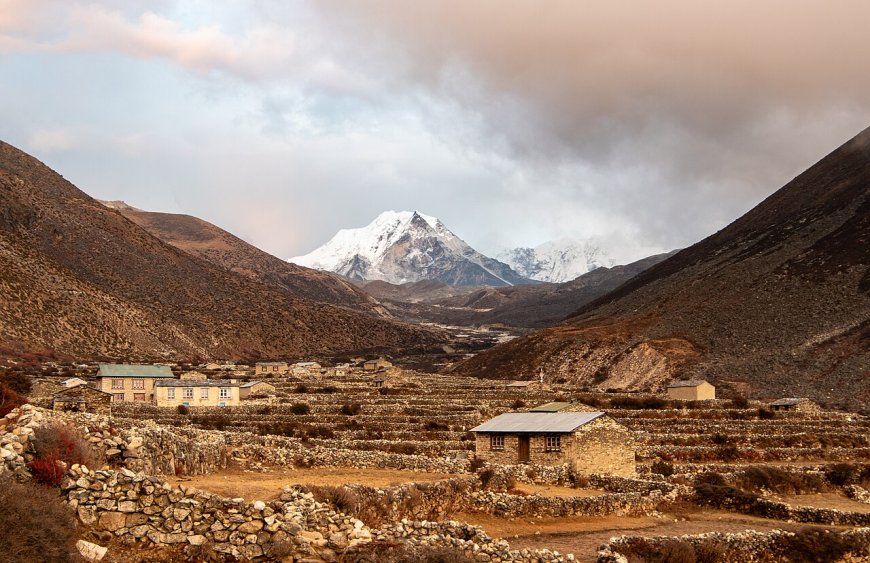
Island Peak climbing is usually someone's first Himalayan summit objective rather than their first mountain. The peak sits in the Khumbu above the Imja valley, and on paper it reads as a snow climb instead of a technical ascent. That is mostly true, and it is also where a lot of beginners get caught out. Below is what the climb actually asks of you, how the days tend to stack up, how it compares with Lobuche East and with an Everest Base Camp trek on its own, and what to pin down with an agency before any deposit leaves your account.
What Island Peak is and who it suits
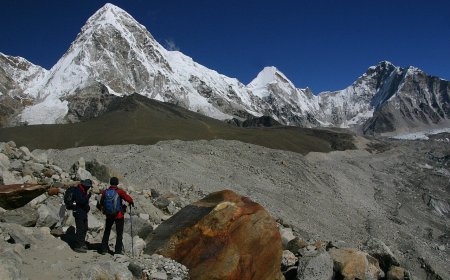
Imja Tse, which almost everyone calls Island Peak, is a snow and glacier peak in the Everest region. You walk in, you cross a glacier, you climb a steep snow slope on fixed rope, and you come back down. There is no rock climbing in the normal sense.
The people who enjoy it have almost always been above 5,000 m before, can carry a light pack for six or seven hours, and have spent at least a day on crampons. If you have never worn them, learn at home or on a course, not at high camp. Treat this as a second or third Himalayan trip.
Island Peak difficulty: what beginners actually find hard
Almost nobody fails on the technical climbing. The hard parts are elsewhere.
The altitude comes first. You are sleeping and climbing high for days before the summit push, and how your body handles that is the single biggest variable. Then there is the length of the summit day itself, which starts in the dark, is cold, and finishes with a long descent when your legs have already done the work.
The snow slope above the glacier is where nerves show up. It is steep enough that a slip matters, which is why ropes go in, and it feels very different with a headtorch on than it looked in photographs. The ridge to the top is narrow in places. Wind and cold often decide the day more than fitness does.
The last one is judgement. Turning around short of the summit is a normal outcome on a guided climb, not a failure, and beginners who have not rehearsed that idea in their head tend to push when they should not. No reliable public figure exists for summit rates on this peak, so treat any number an operator quotes you with polite scepticism and ask what it is based on.
Island Peak altitude and how the climb is usually staged
Published elevations for the summit differ slightly between maps, agencies and guidebooks, usually by a few tens of metres, with most listings putting it a short way above 6,100 m. We have deliberately not printed a precise figure here: check which number your own agency and map use, and work from that.
The staging matters more than the exact height. The climb is normally built as an approach to a base area, a move up to high camp, a pre-dawn push to the top, and a descent all the way back down the same day. The night at high camp is short and often sleepless. That single day is where all the acclimatisation you have banked on the walk in either pays off or does not.
The Imja Tse route, step by step
The standard line runs up the Imja valley to a base camp on moraine below the peak, then across the glacier, up the snow slope on fixed rope, and along the summit ridge. Most teams do a short session on the glacier the day before the push to check crampon fit and rope work.
Route conditions change season to season, and the line your guide takes may differ from any description you read. Your agency and guide are the people who confirm what the route looks like this season. Nobody should be navigating from an article.
Island Peak itinerary: how many days a Khumbu trekking peak adds
A climb like this adds a block of days onto a Khumbu trek, and most of those extra days are approach and acclimatisation rather than climbing. The summit day itself is one long push. Two shapes are common: walk in from Lukla with rest days factored in, or fly closer and start higher, which saves time but can cost acclimatisation. Ask your agency to write out the day count and explain where the rest days sit.
Island Peak vs Lobuche East vs Everest Base Camp only
These three get compared constantly, and they are not really the same kind of trip.
Lobuche East is the closest alternative. It is also a snow climb with a fixed rope section, generally more sustained on the upper ridge than Island Peak and often picked by people who want a bit more climbing. Island Peak tends to be the more forgiving first objective, with a more straightforward glacier approach.
Everest Base Camp on its own is a trek. No ropes, no crampons, no summit. It is the right choice if you want the Khumbu and the views without committing to a climb, and it is the standard way people build the altitude experience that makes a later peak sensible.
| Option | What it asks | Suits | Trade-off |
|---|---|---|---|
| Island Peak | Glacier crossing, fixed-rope snow slope, long summit day | Fit trekker with high-altitude experience, wanting a first summit | Weather and acclimatisation can end the attempt |
| Lobuche East | Similar kit, generally a longer technical ridge | Someone who has already done a first snow peak | Less forgiving as a debut |
| EBC only | Walking and altitude, no climbing | First Khumbu trip, or building experience | No summit |
Island Peak preparation and fitness
Twelve weeks out, build a base: three or four sessions a week of hill walking, stairs or incline treadmill with a pack, plus two longer days a month. Add core and single-leg strength work. Practice eating and drinking on the move.
Six weeks out, if you are already fit, cut the strength volume and keep the climbing. Long hill days with a pack, some running or cycling for the cardiovascular side, and as many hours on your feet as you can manage. If you have never used crampons, sort that out before you fly.
Training cannot simulate altitude. Nothing on a local hill will tell you how you handle 5,500 m.
Readiness self-assessment
Answer honestly. Three or more 'no' answers means you should fix something before booking.
- Have you slept above 4,500 m before?
- Can you walk six hours with a light pack on consecutive days?
- Have you worn crampons on a real snow slope?
- Do you know how your body handles cold and wind?
- Is your travel insurance policy written to cover this peak and this altitude, in writing?
- Have you budgeted for the trip plus a buffer for weather days?
- Are you comfortable with the idea of turning around?
- Do you have the time for the acclimatisation days, not just the summit day?
What to confirm before you book
Trekking peaks in the Khumbu are subject to a permit and to rules on guiding that change. Confirm the current issuing body, the fee and the guide requirement with the agency you book through and with the official tourism authority before paying. We have not named an authority or quoted a fee here on purpose, because those details shift and a wrong detail is worse than none.
Ask any agency, in writing: who holds the permit and in whose name; whether the climbing permit is separate from your trekking permit and what each covers; how many clients per guide on the summit day; whether the quoted price includes high camp food, porter loads, rope and glacier equipment; what happens to your money if weather or your own health ends the climb; and which insurance policy wording they accept.
Check the insurance yourself. Most standard trekking policies stop well below this altitude, and helicopter evacuation cover is a separate question. Get confirmation in writing and send the wording to your agency. The article cannot clear you for anything.
Costs: what drives the price
Prices sit in broad bands, budget to mid-range to premium, and we are not quoting figures because they change. What moves you up a band: guide-to-client ratio, whether the permit and climbing equipment are bundled, the number of acclimatisation days included, private transport and flights, and whether gear is hired in Kathmandu or bought at home. Price the components locally at the time you book rather than trusting any published total.
How to verify this yourself
Every number that matters here, the summit elevation, the permit fee, the guide rules and the day count, should come from a dated page you have opened yourself or from the tourism authority and your agency. Ask for the source, check the page date, and compare it with the month you are planning. If an operator will not show you where a figure comes from, that tells you something useful.
What's Your Reaction?