





Jhapa District: Eastern Nepal's Tea Country, Wetlands & Border Gateway
A practical guide to Jhapa district in eastern Nepal — covering tea garden visits, wetland birding at Barju Taal, pilgrimage sites like Arjundhara and Domukha, the Kakarbhitta border crossing, food, transport and where to base yourself. Written for travellers planning a 1–2 day stopover or transit break.

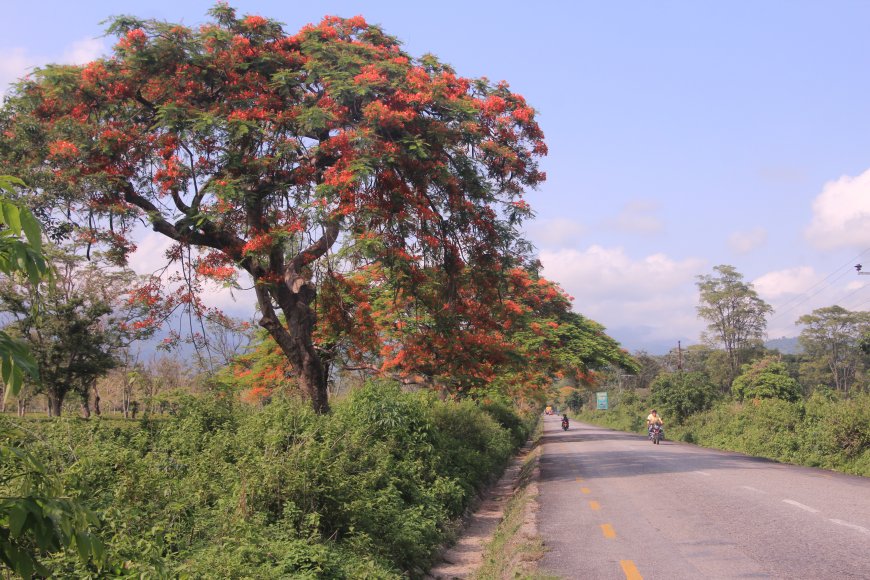
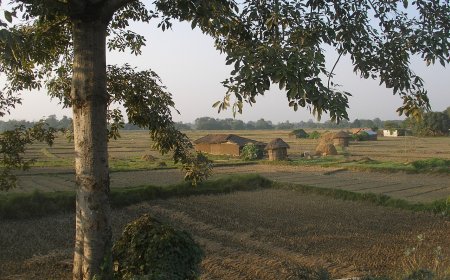
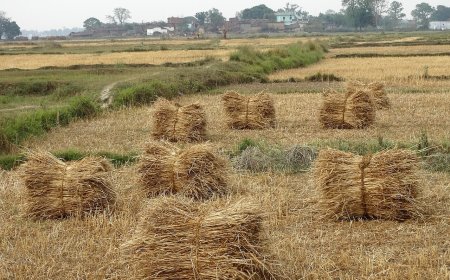
Jhapa occupies the far southeastern corner of Nepal, where the hills give way to the Terai plains. It serves as the country's primary eastern gateway — most overland travellers from India cross at Kakarbhitta — and anchors Nepal's commercial tea industry. Beyond the transit bustle, the district holds wetlands of ecological importance, a cluster of Hindu pilgrimage sites, and accessible lowland forest birding.
At a Glance
- Province: Koshi (Province No. 1)
- District headquarters: Bhadrapur (Chandragadhi)
- Landscape: Flat to gently rolling Terai, elevation roughly 70–500 m
- Languages: Nepali, Maithili, Rajbanshi, Limbu; Hindi widely understood
When to Visit
The post-monsoon window from October through March offers the most comfortable conditions. Skies are generally clear, temperatures moderate, and migratory birds present in the wetlands. April to June turns hot and dusty before the monsoon arrives. July through September brings heavy rain — the tea gardens are at their greenest, but secondary roads can become difficult and leeches appear in forested areas. If your priority is birding or tea garden photography, aim for the cooler, drier months.
Getting There
By air
Bhadrapur Airport receives multiple daily flights from Kathmandu (about 35 minutes). The airport sits a short drive from Bhadrapur town and the Kakarbhitta border. Taxis and pre-paid vehicles are available at the terminal.
By road
- From Kathmandu: The East–West Highway (Mahendra Rajmarg) runs the length of the district. Day and night buses operate regularly; the journey takes roughly 10–12 hours.
- From Siliguri / Bagdogra (India): Kakarbhitta is a short drive from Siliguri. Shared jeeps and taxis run frequently between the Indian bus stand and the border.
- From Biratnagar: A well-maintained highway connects the two cities; buses and shared jeeps depart throughout the day.
Local transport
Electric rickshaws are the default for short trips within Bhadrapur, Birtamod and Damak. For tea garden visits or reaching Barju Taal, hiring a motorbike taxi or a car through your accommodation is more practical. The East–West Highway bisects the district east–west; north–south roads toward the hills (Ilam direction) are paved but narrow and winding.
What to See & Do
Tea garden walks
Jhapa produces the majority of Nepal's orthodox tea. The estates between Birtamod and the Mechi river — names you'll see on signboards include Giri Bandhu, Tokla, Satighatta and Burne — generally allow walk-throughs if you ask at the factory gate. Early morning is best for light and for seeing pluckers at work. Most factories sell vacuum-packed tea directly; there are no formal tours, so a polite approach to the supervisor goes a long way.
Barju Taal
This oxbow lake north of Bhadrapur is a designated wetland of international importance. Winter brings migratory waterfowl — ruddy shelduck, ferruginous pochard, cotton pygmy goose and occasionally larger storks. A boardwalk and watchtowers have been added in recent years to improve access. The site is best visited early morning; carry water and sun protection as shade is limited along the boardwalk.
Kichakbadh
An archaeological mound west of Bhadrapur linked to the Mahabharata episode where Bhima kills Kichak. Excavations have uncovered brick structures and artefacts from the early centuries CE. A small site museum displays finds such as terracotta beads and pottery shards. The site pairs well with a stop at the nearby Satighatta tea estate.
Domukha & Chillagadh
Two hilltop temples on the Chure foothills north of Birtamod — Domukha dedicated to Durga, Chillagadh to Shiva. They draw pilgrims year-round and the ridge offers the only real viewpoint over the Terai plain. The final approach is steep gravel; a 4WD vehicle or motorbike is recommended. Allow half a day round trip from Birtamod.
Arjundhara Dham
A Shiva temple complex north of Bhadrapur centred on a natural spring said to have been created by Arjuna's arrow. Large fairs occur during Shivaratri (February/March) and Balachaturdashi (November/December). At other times it's peaceful; the spring feeds a series of ponds with resident turtles.
Kakarbhitta border bazaar
The market strip between the Nepali and Indian immigration gates is worth an hour even if you're not crossing. You'll find textiles, spices, inexpensive electronics and street food — pani puri and samosa stalls cluster near the Nepali immigration office. Bargaining is expected.
Food Scene
Jhapa's food reflects its position at a cultural crossroads. In Bhadrapur, look for Thakali set meals and Newari samplers alongside street-side sel roti with alu tarkari for breakfast. Birtamod specialises in Maithali thalis — fish preparations, tarua (fried vegetables), kachari (pickles) served with rice. Damak has solid highway restaurants serving fish curry with beaten rice and several vegetarian bhojanalayas near the bus park. Many tea estate factories run canteens that serve simple dal-bhat-tarkari to workers; visitors are often welcome for a modest meal if you ask politely.
Where to Stay
Bhadrapur is convenient for the airport, Barju Taal and Arjundhara Dham. Mid-range hotels and budget lodges cluster near the airport and along the highway.
Birtamod is the busiest highway junction with the widest dining options; accommodation ranges from mid-range hotels to basic guest houses.
Damak is quieter and sits closer to the turn-off for Domukha and Chillagadh; a few mid-range hotels and a youth hostel serve travellers.
Kakarbhitta only makes sense if you have an early border crossing the next morning; lodges here are functional and border-focused.
Festival periods — Shivaratri, Balachaturdashi, Dashain, Tihar — fill rooms quickly; book ahead if your dates coincide. Cash is still king at most properties, though QR-code payments are spreading.
Practical Tips
- Cash: ATMs are available in Bhadrapur, Birtamod, Damak and Kakarbhitta (major banks include Nabil, NMB, Global IME, Nepal Investment). Carry small denominations for rickshaws, tea stalls and temple offerings.
- Connectivity: Ntc and Ncell 4G cover the highway corridor well. Coverage drops inside tea gardens and at Barju Taal. Buy a tourist SIM in Kathmandu or at the Bhadrapur airport kiosk.
- Health: Bhadrapur has a provincial government hospital and private clinics. Snakebites are rare but carry a torch at night. Mosquito repellent is essential in the post-monsoon months.
- Border formalities (India): Indian nationals need voter ID or Aadhaar. Foreign nationals need a passport and valid Indian visa (e-visa accepted at Kakarbhitta). On the Nepali side, a passport or citizenship card suffices. Allow extra time during peak hours and festival periods.
- Etiquette: Remove shoes at temple premises. Ask before photographing tea pluckers — most agree if you offer to show the photo afterwards. Dress modestly (shoulders and knees covered) at religious sites.
Suggested Two-Day Flow
Day 1: Arrive (flight or bus) → settle in Bhadrapur → late afternoon at Barju Taal for birding and the boardwalk → dinner in town. Day 2: Early tea garden walk (7 AM ideal) → brunch at a factory canteen → Kichakbadh museum → Arjundhara Dham → sunset at Domukha/Chillagadh if energy allows, otherwise Kakarbhitta bazaar → evening departure.
What's Your Reaction?