








Lost Lalpurja in Nepal: How to Get a Duplicate
Lost your lalpurja in Nepal? How to report it, apply for a duplicate lalpurja at the land revenue office, handle the public notice and carry the right papers.


Lost Lalpurja in Nepal: How to Report a Lost Land Ownership Certificate and Apply for a Duplicate
Losing a lalpurja feels worse than losing most documents. It carries a family's claim to land, and unlike a passport there's no queue number that fixes everything in an afternoon. The office itself isn't the mystery, though. It's the district land revenue office, the one most people still call the malpot office. What actually slows people down is everything behind the counter: which office holds your parcel's record now, what has to be published before a new certificate is issued, and how long the objection window stays open.
Report the loss first, in writing
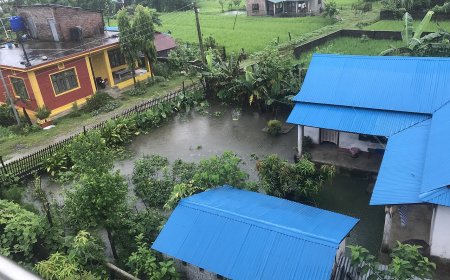
Before anything else, get the loss on record somewhere. If the certificate was stolen or went missing in a break-in, that means informing the police and keeping whatever written acknowledgement they give you. If it was destroyed in a fire or lost in a landslide or flood, the local ward office is usually where people go for a written note about what happened. Neither document replaces a lalpurja, but both give the land office something concrete to attach to your file, and both fix the date on which you reported.
Do this quickly. Delay is the thing that actually makes these cases messy, and a prompt written record of the loss is also what you'd want on file if questions come up later about where the certificate ended up.
Find out which office holds your parcel's records
Land records in Nepal sit at district level, and the official names, the functions each office handles, and the area it covers have all shifted over the years. A name printed on a document from ten years ago may not match the office you have to visit today.
So confirm the right office before you travel. Ask at your ward office. Ask the office that handled the last land tax payment or transfer on the parcel. Look for the office's own published notice instead of a list on a blog or a Facebook group. If your certificate was registered under an older administrative setup, say so at the counter. Staff can usually tell you whether the records moved or are still held elsewhere.
Check the computerised record before you start
Most districts now keep land records on computer, though not every parcel has made it into the system and offices differ in what they will issue straight from a screen. Ask two direct questions before committing to the full duplicate process: is my parcel's record computerised, and can I get a certified copy from it?
Sometimes the answer is yes, and that changes the job. You're replacing a lost piece of paper rather than rebuilding proof of ownership, and the file tends to move faster. Where staff say a printout won't stand in for the certificate, or your parcel was never digitised, you're on the duplicate route below. Either way, confirm it in person at the office that holds your record rather than assuming, because practice varies by district.
Applying for a duplicate lalpurja at the land revenue office
The application is lodged at the land revenue office that holds your parcel's record. Say plainly that the certificate is lost and ask which form applies, then check whether the application stays at that office or gets forwarded somewhere else. Get an acknowledgement of lodgement with the date on it, and note down the name of whoever accepted it. If the parcel is jointly owned, sort out the other owners' consent before you lodge, not after.
What to carry
Requirements differ by office and by the reason the certificate is missing, so treat this as a starting point rather than a fixed list.
- Citizenship certificate or the ID you normally use for land office work, with photocopies.
- Any copy of the lalpurja you still have, even a phone photo or an old photocopy of one page. It helps them trace the parcel number.
- The written report or acknowledgement of loss, from the police or the ward office, whichever applies.
- The last land tax receipt, if you can find it.
- The parcel details: district, ward, kitta number, and the names exactly as they appear in the record.
- For jointly owned land, the other owners or their written consent. If the registered owner has died, ask the office what it needs before you turn up with a folder of papers.
The public notice step: objections before the duplicate is issued
Before a duplicate lalpurja is issued, the office publishes a notice inviting objections, usually in a national daily, so that anyone claiming an interest in the parcel has a chance to come forward. This step is standard, and skipping past it in your planning is one of the easiest ways to be surprised by a months-long gap.
Ask at the counter who arranges the publication, which paper is acceptable, who pays for it, and how the completed window gets recorded in your file. The office sets the notice period and it is not the same for every application, so don't plan around a figure you read on a website, including this one. Keep a copy of the published notice and the receipt if you paid for it. Both belong in the file, and both are useful if anything is questioned later.
Fees and waiting times
You'll notice the absence of a rupee figure and of any number of days on this page. That's on purpose. Land revenue fees come from national schedules, the rules under the Land Revenue Act and each year's Finance Act or financial ordinance, so the amount changes with each year's finance act and depends on the type of application, and on whether an old record has to be reconstructed. Waiting times follow the objection window and whatever else the file has to pass through. A number printed here today could be wrong next year, and a confidently wrong number is worse than none. Ask at the counter, or read the office's own notice, and insist on a receipt for anything you pay.
If the owner cannot appear in person
Land offices expect the registered owner at the counter. When that isn't possible, the usual route is a wakalatnama, a power of attorney naming someone to act on your behalf. Offices can be particular about the format, whether it needs attestation or registration, and what the representative must bring along with their own citizenship certificate. Ask before you draft anything. A wakalatnama in the wrong format means a wasted trip, and probably a wasted fee.
If the record itself is damaged or missing
There's a difference between your paper being lost and the office's own record of your parcel being damaged, incomplete or missing. In the second case you aren't just replacing a document, the record underneath has to be rebuilt, which can mean a longer file, extra verification, or a visit to the survey office as well.
Raise it on your first visit: ask whether the record is intact, and if it isn't, what the reconstruction path looks like, which office handles it and what you should bring for that stage.
If you think someone else has the certificate
That is a reason to move faster on the reporting steps above, not a reason to sort it out informally. Take the matter to the responsible authority and follow their instructions. What happens afterwards depends on facts we don't have and on the law, and it isn't something a website should predict for you.
A note on agents and your data
People will offer to "get the duplicate done" for a fee. We don't recommend or vouch for any of them, and nothing on this page is official advice or endorsed by any office. Don't hand your citizenship copy, kitta number or ownership papers to someone you can't verify, and don't post those details in public comments or groups to ask for help. If you need guidance, ask the office directly.
Reviewed 12 October 2026. Fees, forms, notice periods and office details change, so confirm current requirements at the office that holds your parcel's records.
What's Your Reaction?