













Large Cardamom After Harvest in Nepal: Drying, Grading, and Selling Your First Crop
A practical guide for first-time large cardamom sellers in Nepal covering drying over bhatti, hands-on moisture checks, grading on the farm, storage life, and the exact questions to ask traders about weighing, deductions, and payment terms.

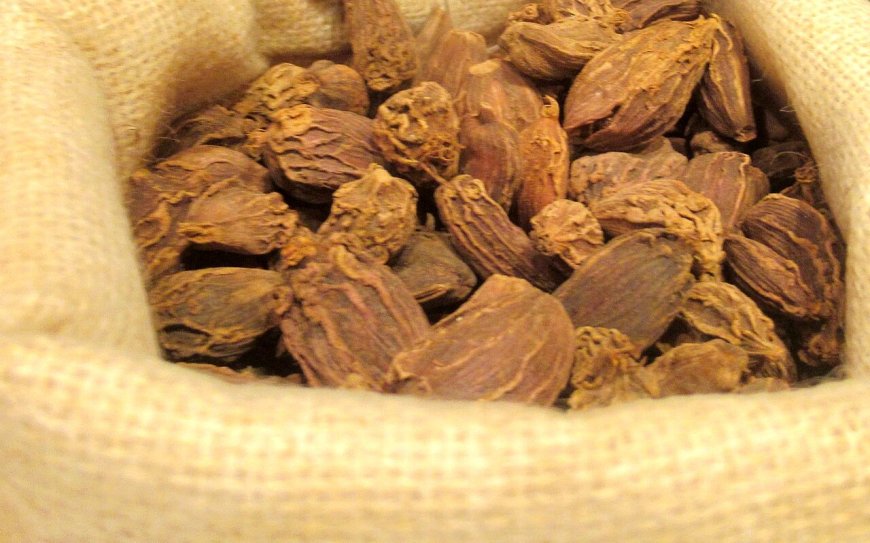
If you have just stripped your first lot of large cardamom capsules from the bhatti or the drying tray, you are what traders call a first-cut seller. That means the next few decisions — how you finish drying, how you sort, who you sell to, and how the weight and payment are settled — will set the price benchmark for your future harvests. In Nepal's eastern hills, where most small lots still move through local collectors to exporters in Birtamod or Kakarbhitta, those decisions are made in a day or two. Here is what to watch.
The smoke you make is the flavour you sell
Most large cardamom in Nepal dries over a fire, and whatever you burn ends up in the capsule. Wet wood, resin-heavy kindling, a kerosene-soaked rag to get things moving, plastic — all of it leaves a smell a buyer picks up the moment the sack is opened. No amount of later sorting takes it back out. Dry fuel and a clean fire cost less than a rejected lot. If you run a bhatti, keep the flue clear and feed it clean, seasoned wood. If you dry on trays, the same rule applies: no smoke, no shortcuts.
Heat matters less than evenness. A thick bed over a hot fire dries the bottom layer fast and leaves the top sweating. You end up with two moisture levels in one sack, and that sack causes trouble somewhere further down the chain, where it will be remembered as your fault. Load thin, turn regularly, and move the capsules that started at the bottom up to the top.
What under-dried feels like, what over-dried costs
A capsule that is not dry enough feels spongy and cool, and the stem bends instead of snapping. It weighs more, which looks like a good thing on the day you sell and a bad thing the day the same trader finds mould in the bag six weeks later. Go too far the other way and the capsule turns brittle. Rims split, colour dulls, and by the time the lot has been handled twice and carried in a truck, a fair share of it is broken pieces. Broken pieces get graded out and paid as waste.
The finish your lot needs is whatever your buyer's specification says. Ask what moisture they will accept and how they intend to test it. If they cannot answer clearly, that tells you something too.
A hands-on moisture check you can do today
You don't need a meter. Take a handful of capsules, squeeze hard, and listen. A properly dried capsule gives a sharp, dry crack; an under-dried one feels leathery and silent. For a rougher gauge, drop a capsule into a clean glass jar with a tablespoon of dry table salt, seal it, and shake. If the salt clumps within an hour, the lot still holds too much moisture. This isn't a lab number — it's a go/no-go signal you can repeat every morning until the lot feels right.
Grading is where a plain lot becomes a lot worth buying
Start with what should never have been in the sack: soil, leaf, stalk ends, string, stones. Do that on a clean tarp or mat, never on bare ground. Soil you put back in is weight you will not be paid for anyway, because the buyer will find it. Then sort for consistency. Size and colour first, then defects: split capsules, shrivelled ones, anything discoloured, anything with insect damage. A buyer who opens a sack wants to see one lot. If three different qualities are jumbled together, they will either pay you at the worst of them or start grading the sack themselves, and you lose control of the decision.
Two things get rushed here. Sorting in full sun bleaches colour, so work in shade. And over-handling breaks capsules, so make fewer passes rather than more. A rough sort into clean, sound and reject usually earns more than five neat piles nobody asked for.
Between grading and selling
Clean, dry jute. Up off the floor. Away from the kitchen, and away from kerosene, fertiliser, onion and anything else with a strong smell, because a dried capsule takes up odours quickly. Do not stack heavy sacks on top of a soft lot. A properly dried and stored lot holds its colour and aroma for three to four months in the hills' climate — longer if the room stays cool and dry. If the sale is delayed, re-check the capsules monthly with the squeeze test and the salt jar. If moisture creeps back, spread thin on the tarp for a day of sun before re-bagging.
Questions to put to the trader before the sacks go on the truck
- What moisture level will you accept, and how will you check it?
- Which defects cut my price, and by how much?
- Do you want the lot graded, or do you grade it yourself, and does that change what you pay?
- Where is this lot going? What does the buyer at the end of your chain require?
- Will you put the acceptance terms in writing, or at least in a message I can keep?
- How will the lot be weighed — at your yard, at the collection centre, or at the exporter's gate — and who provides the scale?
- What deductions apply at the scale (tare, moisture penalty, foreign matter, broken percentage) and are they itemised on the receipt?
- When does payment land, and in what form (cash, bank transfer, cheque)?
If your lot is being sold on to an exporter, ask them in writing what they need from you on packing, paperwork and tolerance. That is their call and their specification, not something a website can decide for them.
Nepal context: where the crop moves
Large cardamom from Taplejung, Panchthar, Ilam, and Sankhuwasabha typically moves from farm gate to village collectors, then to district-level traders in Phidim, Ilam Bazaar, or Khandbari, and onward to exporters in the Jhapa corridor. The picking-to-drying window is tight — capsules should reach the bhatti within six to eight hours of harvest to avoid fermentation, a guideline echoed by the National Spice Crops Development Programme in its 2023 extension notes. If you are in a district without a local collection centre, factor in an extra day's transport and protect the lot from rain and heat en route.
For more on varieties and planting, see our large cardamom varieties guide. For market trends, check the export price tracker.
Suggested images: (1) farmer grading capsules on a clean tarp in shade; (2) a fired bhatti with clean wood stack and clear flue.
What's Your Reaction?