
Extending a Nepal Tourist Visa in 2026: Rules, Fees & Where to Go
Need a Nepal tourist visa extension in 2026? Here's the practical rundown: 150-day annual cap, fixed extension blocks, where to apply (Kathmandu or Pokhara), current fee structure with verification dates, and what to do if you're refused or already overstayed. Check www.immigration.gov.np before you go.

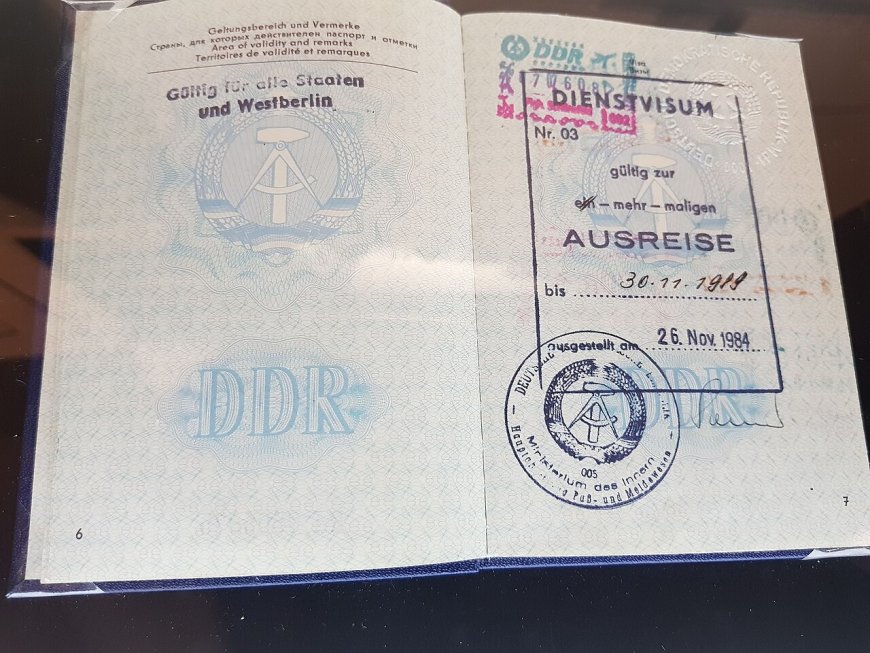
Your flight is in nine days. The stamp in your passport says something shorter. Maybe the trek ran long, maybe one more week in Pokhara stopped feeling like enough. Either way you are now looking at a Nepal tourist visa extension, and the process is less mysterious than the forums make it sound, provided you go in ready to confirm details rather than assume them.
One thing up front. Fees, forms, processing times and stay limits are administrative details that get revised by notice. This article will not hand you a rupee figure and pretend it is permanent. Use it to plan your trip to the counter, then verify the money and the paperwork through the Department of Immigration's own channels before you go. I last checked the official site (www.immigration.gov.np) on 18 October 2026; anything dated earlier should be treated as stale.
What a Nepal tourist visa extension actually does
It keeps you in Nepal, legally, on the same tourist status you arrived on, for a bit longer. That is the whole of it. It does not convert your visa into anything else.
As of the 2026 visa year, tourists are generally capped at 150 days total stay per visa year (January–December), and extensions are granted in fixed blocks — typically 15, 30 or 90 days — not as an open-ended top-up. If you are already at or near the 150-day ceiling, the counter will not issue more days on a tourist stamp. Confirm the current cap and block sizes at the desk or on the department notice board the day you apply; the rule has changed before and will change again.
If your plans have shifted towards studying, working, volunteering long term or staying with family, a tourist extension is the wrong tool. Ask the department which category actually applies to you. Getting this wrong is how people end up holding a visa that does not match what they are really doing in the country.
Where to extend: Kathmandu, Pokhara, or a border run
Extensions are processed at the Department of Immigration in Kathmandu (Kalikasthan) and at the Pokhara Immigration Office. Most border immigration offices handle entry and exit only; they do not issue tourist extensions. If you are outside those two cities, your options are: travel to Kathmandu or Pokhara, leave and re-enter on a fresh visa (price the border run properly), or engage a licensed agency that can courier your passport to the department — but the agency cannot do anything you cannot do yourself, and you still pay the same government fees.
The counter process, roughly in order
1. Pin down how many days you have left
Count from the date printed on your visa, not from the day you landed, and not from what a hotel receptionist told you. If the margin is thin, treat it as urgent.
2. Assemble documents before you travel to the office
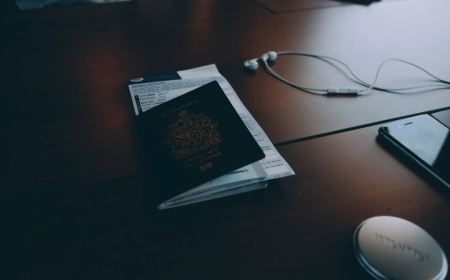
The core set is your passport with the current visa in it, passport-sized photographs (current spec is 35×45 mm, white background, but confirm), and the completed application form. Form versions and photo specs are exactly the kind of thing that gets updated, so check the department website the day before you go. Bring photocopies of the bio page and the visa page too. A shop near the office will print them, at a price.
3. The department visit — walk-in or appointment?
As of October 2026, the Kathmandu office accepts walk-ins during office hours (Sunday–Thursday 10:00–14:00, Friday 10:00–12:00; closed Saturday and public holidays). An online pre-application portal exists but is not mandatory for standard tourist extensions; confirm whether an appointment slot is currently required before you queue. Go early. Expect a queue, expect someone to check your form before you reach the window, and expect to be sent out to a designated bank to pay rather than paying at the counter itself.
4. Payment
You will normally pay at a designated bank (currently Nepal Bank Limited or Rastriya Banijya Bank at the Kathmandu office) and return with the voucher. Confirm the bank, the deposit head and the amount on the day. Keep the receipt. Do not hand your passport or your money to anyone who offers to process it on your behalf.
5. Return and collect
Same-day collection is common but not guaranteed, and busy periods run slower. Do not book an international flight for the same afternoon.
Fee structure (per day, subject to revision)
The department sets a per-day extension fee and a separate per-day overstay charge. Both are posted on the notice board at the counter and on www.immigration.gov.np. As of my last check on 18 October 2026, the extension fee was published as a daily rate; the overstay charge is a higher daily rate plus any applicable penalty. Do not budget from a number you read on a blog, including this one. Note the date you verified the figure and carry enough cash in small denominations; card payment at the bank window is not always available.
Overstaying: settle it, don't drift
An overstay can be settled when you leave the country, or at the department. Those are different desks, and you should confirm the applicable charge and procedure at the time rather than assume one route is cheaper than the other. What you should not do is stay past your date and hope nobody notices. Overstays are recorded and they complicate future Nepal visa applications.
If your extension is refused or you've hit the 150-day cap
This is the panic moment the forums skip. If the officer says no — usually because you are at the annual stay limit, your passport validity is too short, or your documents don't match the current spec — you have three practical paths: (1) leave Nepal before your current stamp expires and re-enter on a new tourist visa (the clock resets on a new visa year), (2) apply for a different visa category that matches your actual activity (non-tourist, business, study, etc.), or (3) if you have already overstayed, pay the overstay charge at the airport on departure and accept that your next Nepal visa will face extra scrutiny. Do not argue at the window; it never helps. Ask politely for the written reason, then decide which path fits your timeline and budget.
One last check before you set out
Government offices close on public holidays and occasionally for other reasons. Check the current closure notices on www.immigration.gov.np before you travel to the office, and give yourself a buffer day if your flight out is close.
FAQ
How many days total can I stay on a Nepal tourist visa?
As of the 2026 visa year, the widely applied limit is 150 days per calendar year (January–December). Extensions are issued in fixed blocks (15, 30, 90 days) and cannot push you past the cap.
Where do I go to extend?
Department of Immigration, Kalikasthan, Kathmandu, or the Pokhara Immigration Office. Border posts do not process extensions.
What does it cost?
A per-day extension fee set by the department, plus a higher per-day overstay charge if you are already past your date. Verify the exact rate on www.immigration.gov.np or at the counter notice board on the day you apply.
What if I've already overstayed?
Go to the department (or the airport on departure day) and pay the overstay charge. Keep the receipt. Do not ignore it; the record follows your passport.
What's Your Reaction?