

Nepal Restricted Area Trekking Permits 2026 – Mustang, Manaslu, Dolpo: Fees, Rules & How to Apply
A 2026 guide to Nepal's restricted‑area trekking permits for Upper Mustang, Manaslu, and Upper Dolpo, covering current fee references, the separate Manaslu RAP vs MCAP, the mandatory two‑trekker rule, TIMS card requirements, application steps, validity, extensions, and official sources.

Trekking into Nepal’s restricted zones still requires a special permit, and the rules can shift from year to year. If you are planning a 2026 adventure in Upper Mustang, the Manaslu Restricted Area, or Upper Dolpo, you will need a Restricted Area Permit (RAP) issued through a government‑registered trekking agency. This guide walks through the fee structure, the application workflow, validity windows, group‑size rules, the TIMS card, and the official sources you should check before you book.
What the 2026 fee circular says (with 2025 reference)
The Nepal Tourism Board (NTB) publishes an annual Restricted Area Permit Circular that lists a base fee for the first seven days and a daily surcharge for each extra day. The 2026 PDF follows the same format used in recent years. Because the final rupee/dollar amounts are only confirmed when the circular is released, the safest approach is to open the latest PDF on the NTB site (search “Restricted Area Permit Circular” on ntb.gov.np) and note the numbers for Upper Mustang, Manaslu RAP, and Upper Dolpo.
For context, the 2025 circular showed the following base fees (subject to change for 2026):
- Upper Mustang – USD 500 for the first 7 days, then USD 50 per additional day.
- Manaslu Restricted Area Permit (RAP) – USD 100 for the first 7 days, then USD 15 per additional day. Note: this is separate from the Manaslu Conservation Area Permit (MCAP), which costs USD 30 (or NPR 3,000) and is issued by the National Trust for Nature Conservation.
- Upper Dolpo – USD 500 for the first 7 days, then USD 50 per additional day.
Always verify the 2026 PDF; the figures above are only a reference point.
Step‑by‑step application through a registered agency
- Choose a licensed agency. Only agencies that appear on the NTB’s approved list can submit RAP requests. Verify the agency’s registration number on the NTB website before handing over any documents.
- Confirm group‑size eligibility. Upper Mustang, Upper Dolpo, and the Manaslu RAP zone require a minimum of two trekkers accompanied by a licensed guide. Solo applications are rejected.
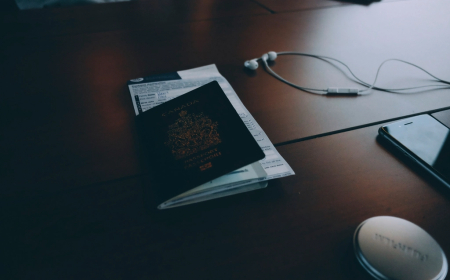
- Prepare the required paperwork. You will need a scanned passport copy (valid at least six months), two passport‑size photos, a detailed day‑by‑day itinerary, proof of travel insurance that covers high‑altitude trekking and emergency helicopter evacuation above 4,000 m, and a signed undertaking that you will follow the approved route.
- Obtain a TIMS card. The Trekkers’ Information Management System card is still mandatory for these regions and is usually arranged by the same agency at the same time as the RAP.
- Submit the application. The agency forwards the package to the Department of Immigration in Kathmandu. Most agencies ask for the documents at least 10‑15 working days before your intended entry date; during peak seasons (April‑May, September‑October) they recommend a longer buffer, but the immigration office can sometimes process faster.
- Pay the permit fee. Payment is usually made via bank transfer to the agency’s account, which then deposits the amount with the immigration office. Keep the receipt; you will need to show it at the checkpoint.
- Receive the permit. Once approved, the agency emails a PDF copy. Print at least two copies – one for the entry checkpoint and one for your records.
Validity, extensions, and re‑entry rules
Each RAP is valid for a continuous period that starts on the entry date you specify. The standard window is seven days for the base fee; you can extend by paying the daily surcharge for each additional day. Extensions must be requested before the original expiry date, either through your agency or directly at the immigration office in the nearest town (e.g., Jomsom for Mustang, Soti Khola for Manaslu, Dunai for Dolpo). Re‑entry on the same permit is not allowed – if you exit the restricted zone and later wish to return, a new permit is required.
Official references you should bookmark
- NTB Restricted Area Permit Circular (search “Restricted Area Permit Circular” on ntb.gov.np)
- Department of Immigration permit fees & notices – immigration.gov.np/notices
- NTB trekking guidelines and agency list – ntb.gov.np/trekking-guidelines
All three pages are updated whenever a fee revision or policy change occurs. Check them a few weeks before you apply; the PDFs are dated, so you can confirm you are looking at the 2026 version.
Common pitfalls and how to avoid them
Many trekkers run into trouble because they use an unregistered guide or a freelance porter who cannot file the permit. Always confirm the agency’s NTB registration number. Another frequent issue is missing or inadequate insurance – the policy must explicitly mention coverage above 4,000 m and include helicopter evacuation. Incomplete itineraries (e.g., missing acclimatization days) also cause rejections; the immigration officer expects a realistic day‑by‑day plan that matches the permitted route. Finally, do not attempt to alter the entry or exit points after the permit is issued; the checkpoint staff will deny entry if the route does not match the approved itinerary.
By verifying the latest fee circular, working with a licensed agency, respecting the two‑trekker minimum, securing a TIMS card, and double‑checking your insurance and itinerary, you can secure the restricted area permit without last‑minute surprises. Safe trails.
What's Your Reaction?