

















How to Verify a Nepali Airline's AOC and Oversight Before Booking
A step-by-step way to check an airline's Air Operator Certificate: ask the carrier in writing, confirm the certificate with CAAN, read the international lists carefully, and keep dated records of everything you find.

Step 1: Ask the airline for its AOC details in writing
Email or message the airline's customer service and ask for four things: the registered name of the operator, the Air Operator Certificate (AOC) number, the authority that issued it, and how long it stays valid. An AOC is the licence that lets a company run commercial flights, so this is an ordinary business question, not a rude one. Keep the reply. If nothing comes back after a few days, note that too. How a company answers a simple written question tells you something about how it will handle a real problem.
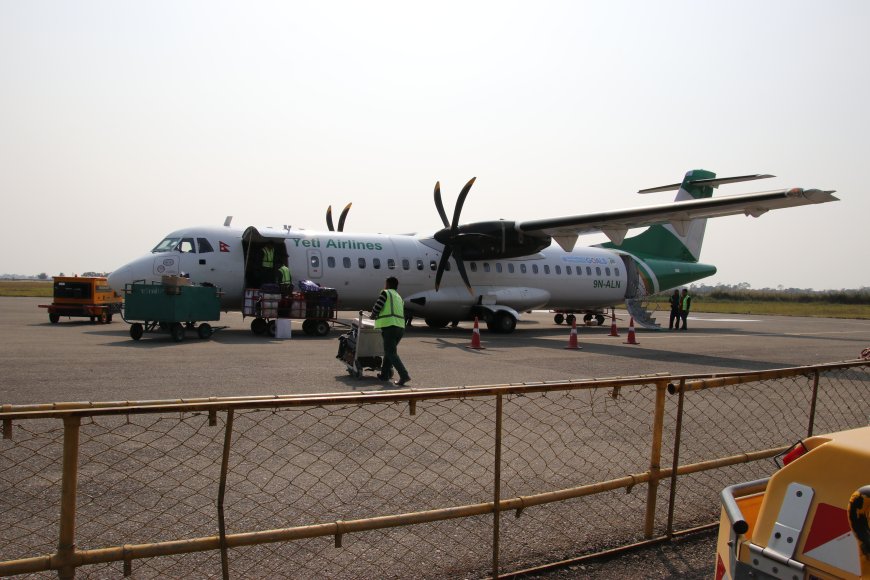
While you wait, look at the ticket you plan to buy. The operating carrier should be named on the e-ticket, and that name has to match the registered operator exactly. If the ticket shows a different name, you are probably looking at a codeshare, and in that case the airline holding the AOC is the one actually flying. Our guide on reading your e-ticket shows where to find the operating carrier.
Step 2: Confirm the AOC with CAAN
The Civil Aviation Authority of Nepal (CAAN) is the regulator that issues these certificates. Search for it by its full name and make sure you land on a government domain ending in .gov.np. Copycat sites and old mirrors exist, so give the URL a proper look before you trust anything on the page.
Then open the contact page and take the email address or phone number from there, exactly as printed. Note the page title, the contact detail and the date you viewed it. This matters: contact details change, and any address you copy from a blog post, including this one, can go stale. Send a short message with two questions. Is this operator's AOC current as of today? And which operations does it cover: domestic scheduled, international scheduled, or charter?
One detail that catches people out: an AOC can be valid while the specific route or aircraft type is not covered. That second question is not filler.
Step 3: Check the international references
Three outside sources come up whenever people talk about airline safety. They are worth looking at, but they are weaker evidence than a direct answer from the regulator, and none of them replaces it.
- EU Air Safety List. The European Commission publishes a list of carriers that cannot enter EU airspace, or may do so only under conditions. Nepal has featured on that list for a long stretch of its history, but entries are added and removed over the years, so read the current list and the date printed on the page rather than repeating what you remember. And be clear about what it means: it speaks to access to Europe, not to domestic flying inside Nepal.
- IATA IOSA registry. IOSA is an audit programme run by the International Air Transport Association. The registry is searchable by carrier name on IATA's website. Not every airline undergoes the audit, and an airline missing from the registry has not necessarily failed anything. It simply means no current IOSA audit is listed.
- ICAO USOAP. This looks at a state's civil aviation oversight, so it tells you about CAAN's systems rather than about one airline's licence. Useful background, wrong tool for the question you are asking.
When you take anything from these pages, copy the date shown on the page and the date you accessed it. Never carry a status forward from memory, and never assume last year's result still holds.
Step 4: Record what you found
For every source you consult, write down:
- Page name or title
- Publisher or authority
- Exact URL
- Document or version date shown on the page
- Date you accessed it
- A screenshot, saved with the date in the filename
- One sentence on what the source actually proves
If a field is missing, leave it empty. A blank line is honest. A guess is not.
Before you pay
- The AOC number and validity period, in writing from the airline
- CAAN's reply, or at least a note of the route you used and the date
- What you found on each international list, with its date
- The operator named on your ticket matching the AOC holder, or a note that the flight is a codeshare and who actually operates it
- Screenshots saved somewhere you will find them again
With those in hand you can book knowing you checked the operator's licence yourself instead of taking someone's word for it.
This page describes a verification procedure. It is not a safety certificate, it does not rank carriers and it does not declare any airline unsafe. Confirm the details at the source on the day you book, and keep your own record.
What's Your Reaction?