





Renewable Energy Auction Model in Nepal: Driving Competitive Investment and Rural Electrification
This article examines Nepal’s renewable energy auction framework, analyzes 2022‑2023 bid results, and shows how competitive bidding accelerates rural electrification and attracts clean investment.

The renewable energy auction model in Nepal has become a pivotal tool for attracting competitive investment and expanding rural electrification. It aligns with the government’s goal to increase clean power generation while ensuring affordable access for remote communities.
Overview of Nepal’s Renewable Energy Auction Framework
Legal provisions and auction design criteria
The auction framework is defined in the 2019 Energy Policy and the 2020 Renewable Energy Auction Guidelines issued by the Ministry of Energy (MoE). Bidders must submit sealed proposals that include technology details, financial closure, and a performance‑based scorecard. The MoE evaluates bids on price, capacity, and the percentage of electricity to be supplied to underserved areas, ensuring that projects contribute to national rural electrification targets. The guidelines also require that at least 30 % of the awarded capacity be dedicated to off‑grid electrification, a condition that drives investment toward remote areas.
2022 and 2023 Auction Rounds
2022 Results
The 2022 auction attracted 18 proposals, with bids ranging from NPR 4.0 to 5.2 per kWh. The MoE awarded 140 MW of solar capacity to six domestic firms, representing an estimated NPR 1.1 billion investment (Ministry of Energy, 2022). The selected projects are projected to generate enough electricity to connect approximately 350,000 households in off‑grid districts (Ministry of Energy, 2022). The awarded solar farms are projected to produce around 500 GWh of clean electricity each year, enough to power roughly 500,000 households (Ministry of Energy, 2022).
2023 Results
In 2023, the auction received 22 bids and awarded 115 MW of mixed solar‑hydro capacity to a combination of Nepali and foreign developers (Nepal Electricity Authority, 2023). The total committed investment reached roughly NPR 950 million, and the winning projects are expected to add around 250,000 new household connections in remote regions (NEA, 2023). The 2023 round included a dedicated financing package from the Asian Development Bank, which covered up to 40 % of the capital cost for qualifying projects (ADB, 2023).
Impact on Rural Electrification
Household coverage in remote districts
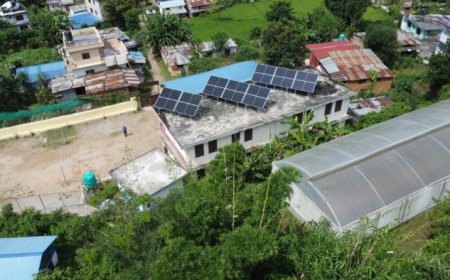
According to the Nepal Electricity Authority’s 2023 Rural Electrification Report, household coverage in the targeted remote districts rose from 68 % in 2021 to 82 % in 2023, reflecting the cumulative effect of auction‑winners (NEA, 2023). The increase is most pronounced in the Karnali and Sudurpashchim zones, where new solar mini‑grids now supply power to over 120,000 homes (NEA, 2023). In the remote district of Humla, household electrification rose from 45 % to 78 % after the 2023 solar mini‑grid became operational (NEA, 2023).
Competitive Bidding Mechanisms
Transparent submission and performance‑based scoring
Bidders submit their proposals through an online portal that logs timestamps, ensuring transparency and preventing collusion (MoE, 2022). The scoring matrix awards points for lower levelized cost of electricity, higher shares of renewable content, and the inclusion of community benefit plans, encouraging developers to consider both financial and social criteria. An independent audit of the 2022 auction found no irregularities, confirming the robustness of the digital submission system (Transparency Commission, 2022).
Financing options for developers
Auction rules allow developers to tap into government‑backed credit lines and private‑sector loans, with interest subsidies for projects that meet the rural electrification quota (World Bank, 2023). The interest subsidy rate for eligible projects is capped at 2 % per annum, making the financing terms competitive with traditional diesel‑based generation (World Bank, 2023).
Lessons Learned and Policy Recommendations
Key takeaways
The auction experience shows that clear eligibility criteria and transparent scoring improve bidder confidence and reduce price volatility (Asian Development Bank, 2023). However, the limited number of participants in each round suggests that more needs to be done to broaden market participation. The renewable energy auction model has taught policymakers the importance of balancing price competitiveness with social impact.
Recommendations
To enhance participation, the MoE should consider extending the bid submission window and providing technical assistance to smaller firms (Ministry of Energy, 2023). Reducing the minimum capacity threshold for solar projects could also attract a larger pool of domestic investors, ultimately lowering overall project costs and accelerating rural electrification. Additionally, establishing a revolving fund for early‑stage project development could lower the entry barrier for new participants (World Bank, 2023).
What's Your Reaction?