





Nepal's Digital Nomad Visa in 2026: What’s Known, What’s Planned, and What It Could Mean for Remote Workers
Nepal has no official digital nomad visa in August 2026; the ministry is studying the idea while internet and coworking infrastructure improve.


If you’ve been scanning forums for a Nepal digital nomad visa, the short answer as of August 2026 is simple: there isn’t one yet. No gazette notification, no ministerial decree, and no reputable news outlet has announced a dedicated remote‑worker permit. That doesn’t mean the idea is dead — it just means the paperwork hasn’t caught up with the buzz.
Where the government stands
The Ministry of Culture, Tourism and Civil Aviation has publicly confirmed it is running feasibility studies and holding stakeholder consultations on a possible remote‑worker visa. So far, though, no draft legislation has been circulated, and there are no published eligibility rules — minimum income thresholds, health‑insurance requirements, or maximum stay lengths — that can be verified for 2026. Until a formal bill appears in the Nepal Gazette, anything you read about “official requirements” is speculation.
Infrastructure that could support a future visa
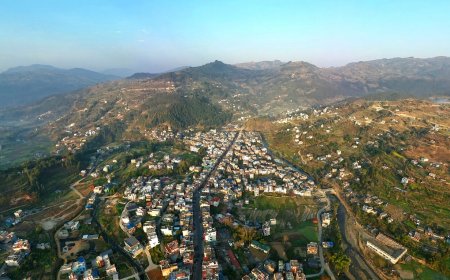
While the visa itself is on hold, the physical and digital groundwork is moving. High‑speed fiber rollouts have expanded across Kathmandu, Pokhara, and a handful of emerging tourist hubs such as Bandipur and Dhulikhel. Coworking spaces — ranging from boutique cafés with reliable Wi‑Fi to purpose‑built hubs like WorkAround Kathmandu and Pokhara’s Hub — have multiplied over the past two years. Power stability in the main valleys has improved, though rural areas still experience occasional load‑shedding. For a remote worker who can tolerate a backup hotspot, the day‑to‑day experience is already workable.
What a visa could unlock
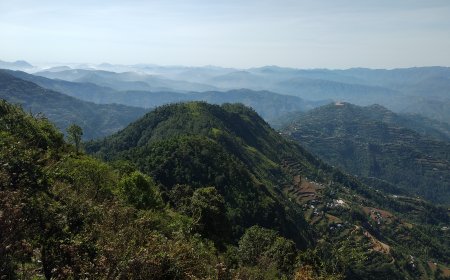
Industry analysts point out that a dedicated visa would likely attract a slice of the global nomad market that values affordable living costs and mountain scenery. Nepal’s cost of living remains a fraction of Western hubs, and the cultural draw — trekking routes, UNESCO sites, a vibrant food scene — adds lifestyle value that pure beach destinations can’t match. If a visa were introduced with a straightforward application, multi‑entry flexibility, and a clear tax‑residency clause, it could become a modest but steady revenue stream for tourism‑linked businesses. Concrete projections, however, remain speculative until the policy is finalized.
What to do in the meantime
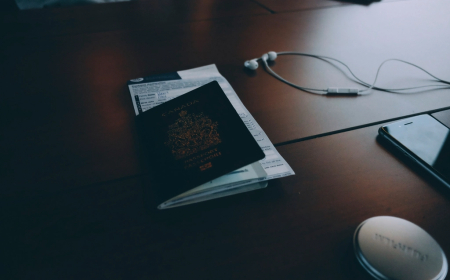
Remote workers eyeing Nepal today have a few practical options. The standard tourist visa on arrival grants 15, 30, or 90 days and can be extended up to 150 days per calendar year at the Department of Immigration in Kathmandu. Business visas exist but require a local sponsor and are geared toward investors rather than freelancers. Many nomads simply cycle tourist visas, leaving the country for a short trip to India or Thailand before re‑entering — a workaround that works but adds travel cost and administrative hassle.
Health insurance that covers evacuation is still a must; private clinics in Kathmandu handle most routine issues, but serious emergencies often require a flight to Delhi or Bangkok. Banking is straightforward: most foreign cards work at ATMs, and opening a local account is possible with a passport and a reference letter, though the process can be slow.
Bottom line
As of today, Nepal does not have a digital nomad visa. The government is studying the idea, and the infrastructure to support remote work is improving steadily. If you’re willing to manage the current tourist‑visa routine and keep an eye on official announcements, Nepal can already serve as a rewarding, low‑cost base. When — or if — a formal visa arrives, it will likely build on the very foundations that are already being laid.
What's Your Reaction?