











SIM Card Registration and NID Linking in Nepal: What the Terms Mean, and What We Could Not Confirm
What SIM registration, NID linking and KYC mean in Nepal, how registering a new SIM differs from linking an active one, and what could not be confirmed from a primary NTA source.

Type "SIM card registration Nepal" into a search box and you get a wall of confident answers. A lot of them read the same, cite nothing, and quietly blur two different things together: getting a new SIM registered, and attaching a number you already use to a national ID. This section sticks to definitions, and it is honest about what could not be checked against an official source. You will not find a step list here, and that is deliberate.
What SIM registration means
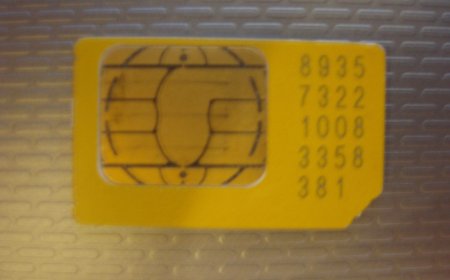
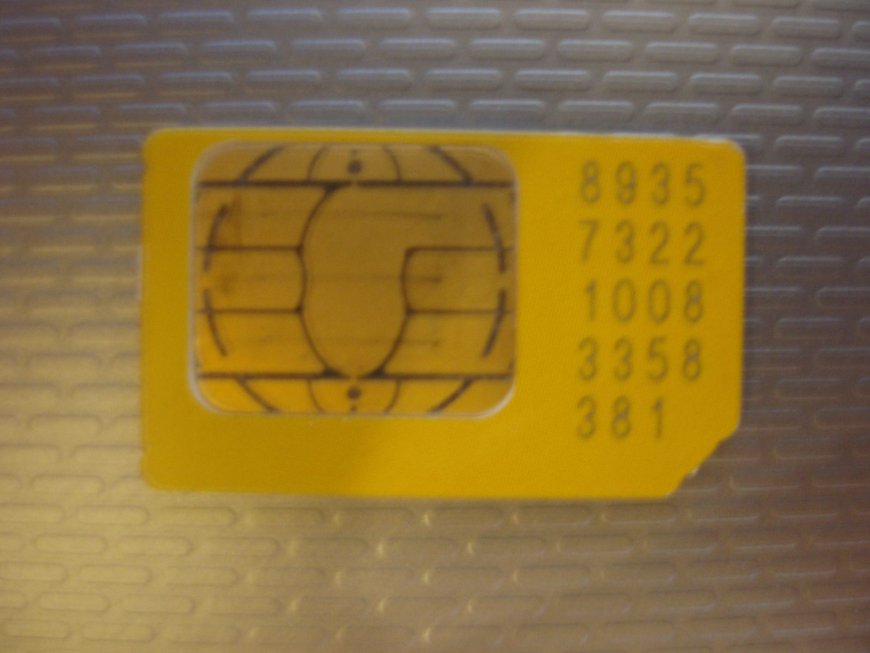
Registering a SIM is the step where a mobile operator records who a number belongs to. In Nepal that record is tied to identity documentation and sits in the operator's own subscriber database, not in some public register you can look things up in. The reasoning behind it is simple enough: a working number should have a traceable owner. When you buy a new SIM, the identity check is part of getting service switched on, which is why it happens at the counter or the dealer rather than weeks later.
What linking a SIM to an NID means
Linking is a narrower thing than most people assume. It means matching the subscriber details an operator already holds to a person's national identity card details, so the two records point at the same individual. Nothing about the SIM card or the handset changes. What changes is the record behind the number. This is what people generally mean by NID SIM linking in Nepal, and it is also where a lot of the online confusion starts, because the phrase gets used for registration and registration gets described as linking.
Where KYC fits in
KYC stands for know your customer. It is not a Nepal-specific scheme and it is not one form. It is the general name for the identity-verification step a provider runs before or while serving someone: collecting identity details, checking them, keeping them on file. Banks use the term, telecom operators use the term, and SIM KYC in Nepal covers roughly the same ground as SIM registration seen from the company's side rather than the customer's side.
New SIM versus an already-active one
The two situations start from different places. A new SIM has no record yet, so registering a new SIM with an NID is part of activation. An already-active SIM does have a record, just not necessarily one that matches your identity card, so the job is updating what exists. Paperwork and process can differ between the two cases, and between one operator and another. Any single set of steps presented as universal deserves some suspicion, including when it is presented confidently.
What we could not confirm
At the time of this review we could not verify, from a primary Nepal Telecommunications Authority source, what the current requirements are, which documents are accepted, whether linking is required for existing subscribers, or the status of any NTA digital-KYC plan. That is a limit on what is publicly documented. It is not a hint that something is about to change. Where a rule applies to your number, your operator's own notice to you governs it, and that notice will be more current than anything a third-party page can tell you.
Asking your operator
For anything about your own SIM, go to the operator. The links below are contact points at homepage level only. They are not procedural guides and not sources for the rules: Nepal Telecom at ntc.net.np and Ncell at ncell.com.np. Smart Cell is the third operator. We are naming it without a link because we could not confirm its current official domain when this section was reviewed, and guessing a web address is worse than leaving it out.
Last reviewed: November 2026. This section is re-checked against the NTA site and the three operator homepages at every scheduled review, and sooner if any directive, notice or registration announcement is reported.
What's Your Reaction?