










Crop and Livestock Insurance in Nepal: Build Your File First
A practical walkthrough for Nepali farmers on assembling the documents insurers ask for, reading a quote line by line (including how a missing subsidy line may simply mean ineligibility), and checking the current subsidy rate with the Nepal Insurance Authority before signing. Covers how crop and livestock risks are assessed differently, questions to ask at the branch, and what to do on the day of a loss.

Farm insurance paperwork has a bad reputation, and mostly it earns it. Documents get copied three times and one page still goes missing, and the number a farmer remembers hearing at the branch is rarely the number that turns up on the schedule. The fix is unglamorous: build the file before anyone asks for it, and read the crop and livestock insurance quote properly before signing anything.
Two definitions worth keeping straight from the start. A quote is the insurer's offer. The policy schedule, once issued, is the document that binds. If the two ever disagree, the schedule and the policy wording are what count.
Start with the file you can put together yourself
No one enjoys this part, but it is the part entirely in your hands. Three groups of paper cover most of it.
Who you are
Identity documents for yourself, and for anyone else whose name will sit on the policy, whether that is a family member, a co-owner or a tenant farmer. Keep a spare set. Insurers ask for the same papers at renewal, and hunting them down every season is where most delays begin.
Your right to what is being insured
For land, evidence that you hold a stake in the plot you are insuring, whether you own it or farm it under a tenancy or lease arrangement. Your insurer will tell you which document it accepts for your situation. Get that answer in writing, even if it arrives as a short message, so you are not re-litigating it later.
What exactly is being insured
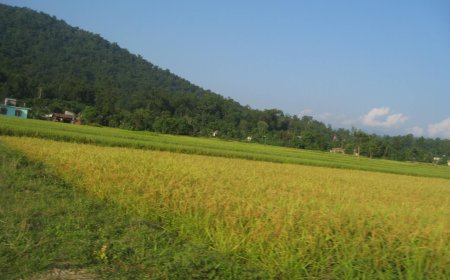
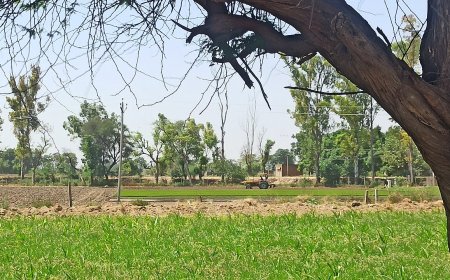
For crops, go plot by plot: where the field is, roughly how big it is, what is growing on it, and when it was sown. A single lump figure for the whole farm is harder to support than a simple plot list.
For livestock, go animal by animal. Species, breed if you know it, approximate age, and above all the tag number or marking that identifies that particular animal. Add dated photographs: the tag close up, the animal standing, the shed or grazing area. Photographs taken before anything goes wrong are worth far more than photographs taken afterwards. If you are also borrowing against the herd, the paperwork overlaps with livestock loan requirements in Nepal, so keep both sets in one folder.
The insurer's own document list may ask for more than this. Ask for that list in writing at the start rather than discovering it in instalments, and add whatever is on it to the same folder.
Crops and animals are assessed differently
A crop is looked at as a standing area: assessors generally work from the plot's area and the yield that field could reasonably be expected to give, so location, size and sowing date carry the weight. Livestock is looked at as an identified individual and valued on its own. That is exactly why the ear tag or marking written into the policy has to match the one on the animal standing in front of the assessor. When it does not, the argument starts there.
Reading a farm insurance quote in Nepal, line by line
When the quote arrives, do not skip to the bottom figure. Work down it slowly.
Find the premium: the price of transferring the risk. Find the sum insured: the ceiling on what the policy will pay. Then look for the subsidy line, because a subsidy simply means part of that premium is being met by government rather than by you. Finally, find the amount you actually pay, the net figure after the subsidy is applied.
If your quote shows only one number and no subsidy line at all, that is not automatically a mistake or a trick. Not every product qualifies. Whether yours does can turn on the type of policy, the category of farmer you fall into, and whether your insurer is taking part in the subsidised scheme for that season. So ask a precise question: request the premium breakdown, and separately ask for a written reason why no subsidy applies to your policy. Keep that reply in the file.
Where to check the rate
Do not take a rate on trust, including one you read here. Subsidy percentages are revised with the annual budget and the directive that follows it, so a figure from last season, or from a news report a few years old, may no longer hold. The Nepal Insurance Authority is the sector regulator and publishes the scheme and rates in force; your insurer should also be able to show you the applicable rate for your product in writing. Ask for it at quote stage, before you sign. And if a term on the quote is unfamiliar, our Nepal insurance glossary covers the common ones.
Questions to ask before you sign
- What is covered, and what is explicitly excluded?
- Is the sum insured based on area and expected yield, or on a per-animal valuation?
- How is each animal identified in the policy, and does that match my records?
- Is the premium shown before or after the subsidy?
- If no subsidy is shown, is my product or farmer category eligible, and can I have that in writing?
- Which channel does the policy schedule name for reporting a loss?
- When does cover start, and are there waiting periods?
- What is the renewal date, and what happens if I miss it?
- Who do I contact, and on what number, if something goes wrong?
Write the answers down. Verbal assurances fade faster than paper.
On the day of a loss
Notify your insurer promptly, through the channel named in your policy schedule, and keep a copy of everything you send: the message, the date, the time, the person you spoke to. Photograph what you can, and record what happened while it is fresh. The policy's terms govern how the claim is handled, so read them alongside your notification. Our guide to filing an insurance claim in Nepal walks through the usual sequence.
If a claim stalls, ask the insurer, in writing, for its grievance or complaint channel and the reference number for your case. Keep every reply in the same folder you built at the start. A dated record is a quiet kind of leverage.
This page is general information only. It is not advice on any particular policy, and it does not promise any outcome. Your policy wording governs.
What's Your Reaction?