




Trekking Permit Costs and Procedures in Nepal: 2024‑2025 Fee Guide for TIMS, National Parks and Conservation Areas
Complete guide to Nepal trekking permits for 2024‑2025: TIMS, national park and conservation area fees, restricted‑area costs (Manaslu, Upper Mustang, Dolpo), how to apply online or in person, and where to find the latest updates.

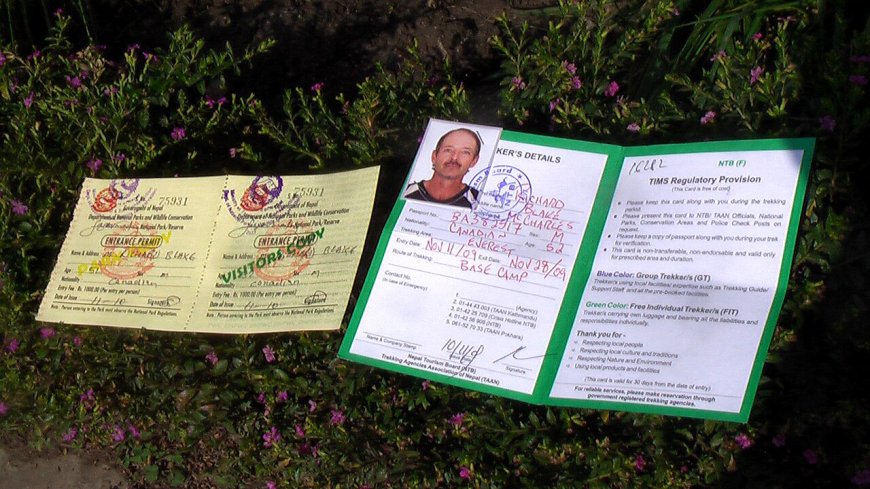
Planning a trek in Nepal means sorting out a handful of permits before you even lace up your boots. The system has three main layers: the TIMS card, national‑park entry permits, and conservation‑area permits. Each covers a different set of protected zones, and the fees can shift from year to year. Below is a practical rundown of what you need, how to get it, and where to double‑check the latest numbers.
Which permits cover which areas
The Trekkers' Information Management System (TIMS) card is mandatory for almost every organized trek. It registers your details with the Department of Tourism and helps authorities locate you in an emergency. On top of that, you'll need a park‑specific permit:
- Sagarmatha National Park – Everest region (Khumbu).
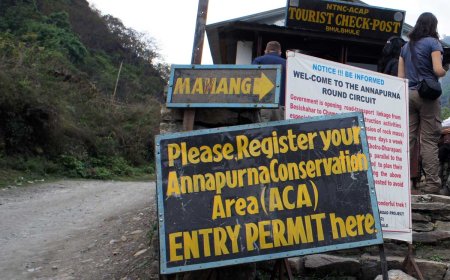
- Annapurna Conservation Area – Annapurna Circuit, Annapurna Base Camp, and surrounding trails.
- Langtang National Park – Langtang Valley, Gosainkunda, Helambu.
- Makalu Barun National Park – Makalu region.
- Kanchenjunga Conservation Area – Kanchenjunga base camps.
- Manaslu Conservation Area – Manaslu Circuit (requires a restricted‑area permit in addition).
Some treks, like Upper Mustang or Upper Dolpo, need a special restricted‑area permit on top of the standard ones. Always confirm the exact combination for your itinerary.
How to obtain permits
Online via the Department of Tourism portal
Since 2022 the Department of Tourism has offered an e‑permit platform (https://tourism.gov.np/epermit). The steps are straightforward:
- Create an account with a valid email and phone number.
- Fill in personal details, trek dates, and the exact route.
- Upload a clear passport‑size photo and a scanned copy of your passport bio page.
- Select the required permits (TIMS, park, conservation area).
- Pay with a Nepali‑issued debit/credit card, e‑Sewa, or Khalti. International cards may not be accepted; check the portal for current payment options.
- Download the PDF permits; print a copy and keep a digital backup on your phone.
The portal issues permits instantly for most areas. Restricted‑area permits still need a manual approval step, which can take 1‑2 business days.
In‑person at Kathmandu or Pokhara
If you prefer face‑to‑face service, head to the Nepal Tourism Board office in Kathmandu (Bhrikutimandap) or the Tourist Service Center in Pokhara (Lakeside). Bring:
- Original passport and two photocopies.
- Two passport‑size photos.
- Completed application forms (available at the counter).
- Cash in Nepali rupees (small denominations help) or a local debit card.
Staff will issue the permits on the spot for standard areas. For restricted zones you'll still need to submit the application to the Department of Immigration in Kathmandu.
Fee overview (2024‑2025 reference rates)
The table below shows the most recent publicly listed fees for the 2024‑2025 fiscal year (effective mid‑July 2024). All figures are from 2024‑2025 official publications (Nepal Tourism Board, Department of Tourism, respective park offices). Fees for the 2025‑2026 fiscal year (effective mid‑July 2025) have not been officially published as of August 2026; verify before you travel.
| Permit | Foreigner (USD) | SAARC National (NPR) | Nepali (NPR) | Source / Year |
|---|---|---|---|---|
| TIMS (individual) | 20 | 1,000 | 100 | NTB, 2024‑2025 |
| TIMS (group, per person) | 10* | 600* | 100 | NTB, 2024‑2025 |
| Sagarmatha National Park | 30 | 1,500 | 100 | SNP Office, 2024‑2025 |
| Annapurna Conservation Area | 30 | 1,000 | 100 | ACAP, 2024‑2025 |
| Langtang National Park | 30 | 1,500 | 100 | LNP Office, 2024‑2025 |
| Makalu Barun National Park | 30 | 1,500 | 100 | MBNP Office, 2024‑2025 |
| Kanchenjunga Conservation Area | 20 | 1,000 | 100 | KCA Office, 2024‑2025 |
| Manaslu Restricted Area (first week, Sep‑Nov) | 70 | — | — | DoI, 2024‑2025 |
| Manaslu Restricted Area (first week, Dec‑Aug) | 50 | — | — | DoI, 2024‑2025 |
| Manaslu Restricted Area (each additional day) | 10 | — | — | DoI, 2024‑2025 |
| Upper Mustang Restricted Area (10 days) | 500 | — | — | DoI, 2024‑2025 |
| Upper Mustang Restricted Area (each additional day) | 50 | — | — | DoI, 2024‑2025 |
| Upper Dolpo Restricted Area (per week) | 500 | — | — | DoI, 2024‑2025 |
| Lower Dolpo Restricted Area (per week) | 20 | — | — | DoI, 2024‑2025 |
Note: Fees for SAARC nationals are listed in Nepali rupees; the USD column applies to all other foreigners. *TIMS group rates may have been revised; check the latest NTB/DoT notice. Prices for 2025‑2026 have not been officially published at the time of writing. Check the Nepal Tourism Board website or the respective park authority for the latest updates.
Recent policy changes and where to watch for updates
A 2023 Explorersweb article highlighted a batch of rule tweaks that frustrated many trekkers: the mandatory guide requirement for certain trails, a hike in TIMS group‑rate fees, and stricter enforcement of restricted‑area permits. The Department of Tourism planned a review cycle every two years. For the most current circulars (2024‑2026), monitor the Department of Tourism news page and the Nepal Tourism Board notices.
Quick checklist before you go
- Confirm the exact permit combo for your route (use the list above).
- Apply online at least 3‑5 days before arrival to avoid queues.
- Carry printed copies and digital backups of every permit.
- Keep a small amount of Nepali cash for any on‑the‑spot fees or tips.
- Re‑check fee tables on the official sites a week before departure.
With permits sorted, you can focus on the trail itself. For inspiration on where to head next, browse our popular trekking routes. If you're still packing, the essential packing guide covers gear for everything from teahouse treks to high‑altitude expeditions. And don't forget to read up on altitude sickness prevention — it's the one permit you can't buy at a counter.
What's Your Reaction?