







Cho Oyu from Nepal or Tibet: Access Routes and Expedition Planning
How access to Cho Oyu differs between Nepal and Tibet: the Khumbu approach versus the Tingri road, the permit categories each side uses, and the questions to ask an operator before booking.

Cho Oyu sits on the border between Nepal and China's Tibet Autonomous Region, which means the same mountain can be approached through two completely different bureaucracies. The climbing above base camp is broadly similar. The paperwork, transport, calendar and chain of responsibility are not. This page is about access and planning: how each side works, which permits to ask about, and what to press your operator on before you commit.
Two borders, two systems
Both approaches lead to the same summit ridge. Everything underneath is separate: separate permit issuers, separate base camps, separate transport, separate rules on guiding, insurance and waste. On the Nepal side you deal with the Department of Tourism through a Nepali agency. On the Tibetan side your contract is with a Chinese-side operator who holds the Chinese permit and controls your transport from the plateau. Neither side is a way around the other. Pick the side first, because it decides your flights, your visa, your insurance and how much of the expedition your agency actually controls. Route conditions and camp placements change every season; those come from your operator's current briefing, not from a planning page.
Nepal-side access versus Tibet-side access
Nepal-side access
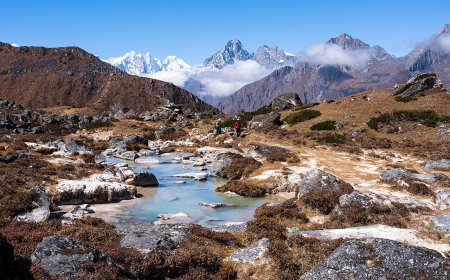
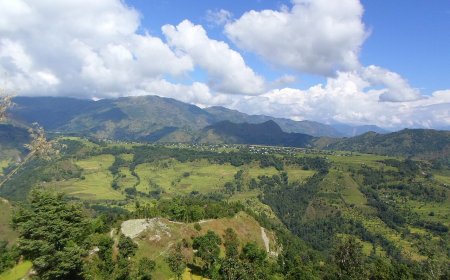
The approach runs through the Khumbu, walking in from the Everest region toward the Nangpa La side of the mountain. It is a long trek: teahouses, Sherpa villages and a base camp that sits days from the road head. The upside is acclimatisation. You gain height slowly and arrive with some adaptation already banked. The downside is time and weather exposure. Flights into the Khumbu are unreliable in poor conditions, and the walk out is not optional if the flights are cancelled.
Tibet-side access
The Tibetan approach is by road: across the border, on to Tingri, then to Chinese base camp on the plateau north of the range. You gain altitude in a vehicle rather than on your feet, which compresses the schedule and shifts the risk. Base camp is high, the jump to advanced base is abrupt, and people who felt fine in Lhasa can crash there. The other variable is dependency. If the permit or the transport is late, the whole schedule moves, and you have no Plan B on foot.
Nepal permit categories and process
The official entry point is the Department of Tourism at tourism.gov.np, which issues climbing permits for Nepal's peaks and publishes the categories that apply. Which category and royalty applies depends on the peak and the season, so confirm the current one with the department or your Nepali agency in writing rather than trusting a figure from an old blog post.
Your agency will usually file the application, but the permit is issued to the expedition. Ask whose names appear on it, what documentation the application requires this season, what waste-management obligations attach to the team, and what happens if the permit is granted and the team does not climb. If an agency is vague about any of that, that is your answer.
Tibet-side permits and operators
On the Tibetan side the permit is Chinese, and it is not something an individual assembles alone. A licensed Tibetan-side operator arranges it, along with your visa paperwork and the transport that goes with it. Permits are tied to fixed windows, so a delayed border crossing or a slow day in Lhasa comes straight out of your climbing time.
Ask the operator who is named on the permit, which visa category your trip falls under, whether your travel insurance is accepted on the Chinese side, how many climbing days the window actually allows, and what the fallback is if the border is closed or the permit is delayed. Get those answers in writing before you pay anything.
Planning decisions and questions for operators
Most of the hard choices come down to how you want to acclimatise and who you want holding the rope.
- Acclimatisation style. A slow trek in Nepal or a fast drive in Tibet. Be honest about how you have handled altitude before.
- Guiding team. Nepali guides and Tibetan-side operators work to different standards and different ratios. Ask for the ratio, not a promise of "full support".
- Insurance. Check that the policy covers mountaineering on the side you have chosen. Many exclude it quietly, and a helicopter evacuation from one side is a different proposition from the other.
- Oxygen and rope. How much oxygen per climber, who fixes the route, and what happens if the fixing is late.
- What the price covers. Split the quote into what is included and what is payable on the ground, so nothing surprises you at base camp.
- References. Talk to clients from the operator's last two seasons, not just the ones on the website.
Why the peak is treated as a first 8,000 m objective
Among the fourteen 8,000 m peaks, this one carries a reputation as the most forgiving first objective: a long, glaciated ridge rather than a technical face, rewarding fitness and patience more than steepness. That reputation grew out of decades of commercial expeditions, and it has a cost. It encourages people to skip the queue of smaller objectives and arrive with thin experience. Neither a long approach nor a high base camp makes the altitude gentler. Read the "easy 8,000er" label as a description of the climbing, not of the risk.
Confirming the details
Permit categories, documentation and operating rules change. Check the Department of Tourism site for the Nepal side, and get everything about the Tibetan side in writing from your operator before you commit. Your agency should be able to tell you exactly which permit you are climbing under, who holds it, and what happens when plans slip.
What's Your Reaction?