






Lhotse: Rare Ski Descents and the 8,000m Peak-List Argument
A factual look at Lhotse's ski-descent history, the difficulty of skiing the fourth-highest mountain, and the unresolved rules behind the 14x8,000m peak list.

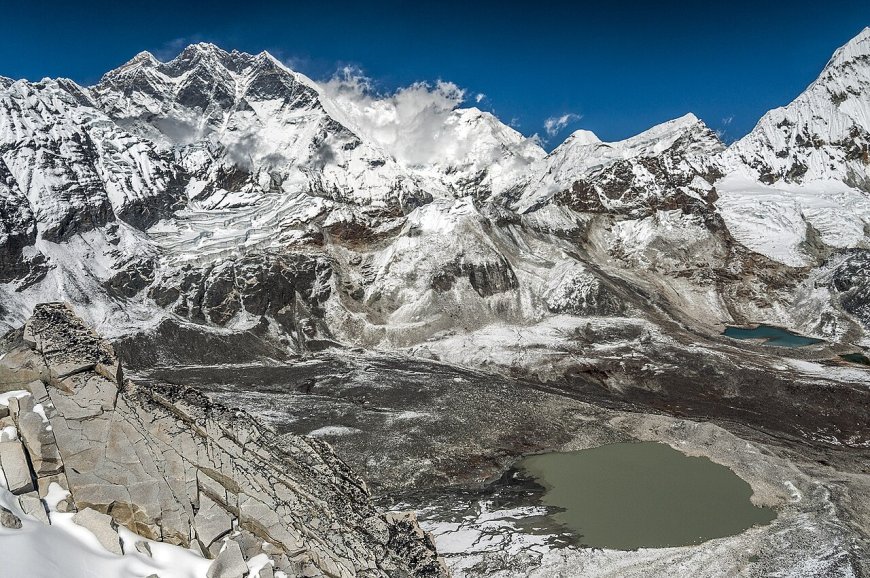
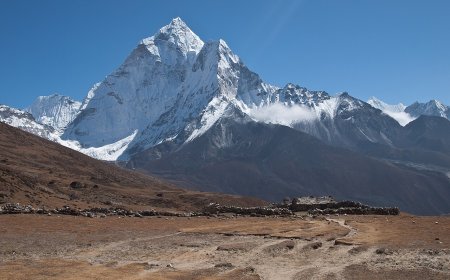
Lhotse doesn't get the attention Everest does. It sits right next to it, joined by the South Col, and most climbers who pass it are on their way to somewhere else. That's a mistake if you care about ski mountaineering. Lhotse is 8,516 metres of rock, ice and exposure, and a full ski descent from its summit is one of the rarest things in the sport.
Why Lhotse is such a hard mountain to ski
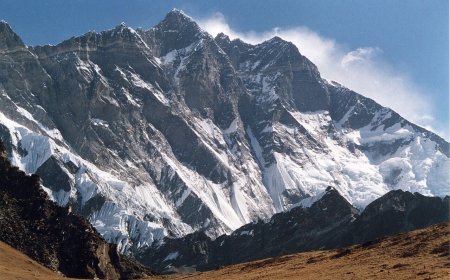
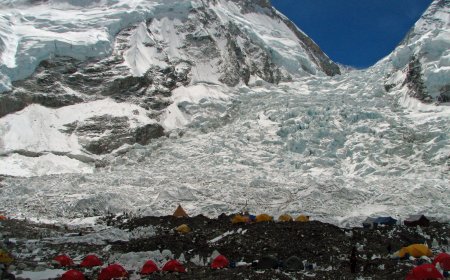
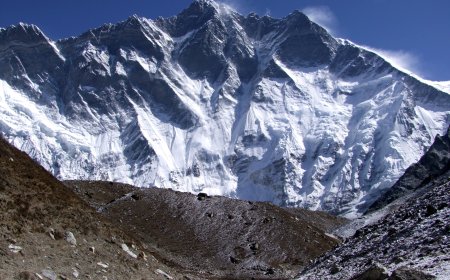
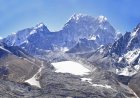
Lhotse is the fourth-highest mountain in the world, on the Nepal–China border. Its standard route from Nepal follows the Khumbu Glacier, climbs the Lhotse Face, and then negotiates the upper couloir and summit ridge. The Lhotse Face is the crux for most people: a long, steep wall of blue ice that demands front points and fixed ropes. Skiing it is a different problem. You need snow, not ice, and you need a window when the face isn't being pounded by wind or traffic.
Above the face, the mountain narrows. The summit ridge is corniced, exposed, and not a place to make a turn you haven't rehearsed. A skier who falls high on Lhotse doesn't get a second chance. That's why the list of people who have skied from the summit is so short.
The documented Lhotse ski descent
The first ski descent from Lhotse's summit is credited to Hilaree Nelson and Jim Morrison in 2018. They were already experienced Himalayan skiers, and the descent was treated as a significant first at the time. Nelson died in an avalanche on Manaslu in 2022, which makes the Lhotse descent part of her legacy as one of the most accomplished ski mountaineers of her generation.
Beyond that, full summit-to-base ski descents on Lhotse are not a long list. There have been partial descents, attempts that turned around, and plenty of stories that get repeated without a clear source. If you see a claim of a Lhotse ski descent, the first question should be: from the summit, or from the South Col? The second should be: is there a track, a photo, or a witness? The mountain is big enough that a descent from a lower shoulder can still be a serious achievement, but it isn't the same thing.
Three ski descents people often mix up
Ski history at 8,000 metres is full of landmark descents that get attached to the wrong mountain. The big ones are worth getting right.
- Davo Karničar, Everest, 2000. The Slovenian skier made the first complete ski descent from Everest's summit to Base Camp. It remains the reference point for high-altitude ski descents.
- Andrzej Bargiel, K2, 2018. The Polish skier became the first person to ski from K2's summit without supplemental oxygen, descending to Base Camp. K2 is not Lhotse, and the line is not the Lhotse Face, but it's often cited in the same breath.
- Yuichiro Miura, Everest South Col, 1970. The Japanese adventurer skied the South Col of Everest in 1970. He later summited Everest at 70 in 2003, but that was a climb, not a ski descent. The two milestones are frequently merged in retellings.
None of those is a Lhotse summit ski. They matter because they show how thin the record is at this altitude, and how easily a real achievement gets conflated with a different one.
The 8,000m peak-list argument, without the hype
The other long-running argument around Lhotse is about lists. Climbing all fourteen 8,000-metre peaks is a big deal, and the rules for what counts have never been fully settled. Three issues come up again and again.
True summit versus fore summit. On several 8,000ers, the highest point is a narrow bump or a corniced ridge, while the more obvious and more frequently visited point is slightly lower. Purists argue that only the highest point counts. Others accept the central summit or the point most expeditions reach. The difference can be a few metres of elevation and a very different level of risk.
Supplemental oxygen. Most record-keeping bodies accept oxygen-assisted ascents as valid for a 14-peak list. A smaller group argues that the list should be oxygen-free to mean anything. Both sides have a point: oxygen changes the physiology and the safety margin, but it doesn't carry you up the mountain. The disagreement is really about what the list is measuring.
Verification. Summit photos, GPS tracks, and witness accounts are now standard for any claim that matters. That's an improvement over the era when a climber's word was the only record. It also means claims get argued over online before they get checked properly. The result is a lot of noise around a small number of genuinely disputed ascents.
The debate matters because the 14-peak badge has commercial value. Sponsors, speaking tours, and guide credentials can depend on it. When the criteria shift, old records get re-read. That's not unique to mountaineering, but it is more visible here because the stakes are literal life and death.
What Lhotse actually asks of a skier
Forget the list for a moment. Lhotse asks for a rare combination: you need to be a strong enough climber to reach the summit, a good enough skier to handle steep, variable snow, and lucky enough to get a weather window when the face is skiable. Most years, one of those three fails.
The mountain also has a traffic problem. Everest and Lhotse share the lower route, and the Lhotse Face can be crowded with climbers on fixed ropes. A skier descending through that traffic is making a judgment call every few hundred metres. It's not a place for a casual powder day.
So the next time someone tells you they skied Lhotse, ask which Lhotse they mean. The summit? The South Col? A lower couloir? The answer tells you a lot. The mountain is still 8,516 metres, still the fourth-highest, and still one of the least skied big peaks on the planet. That's the story worth telling, with or without a record book.
What's Your Reaction?