
Dolpa and Shey Phoksundo Travel Guide (2026): Arranging and Confirming Access to Juphal, the Permits to Verify, Seasons, and a Pre-Trip Checklist
A practical guide to planning a Dolpa and Shey Phoksundo trek in 2026: how to confirm Juphal flights, which permits to verify, seasonal patterns to check, and a dated pre‑trip checklist.

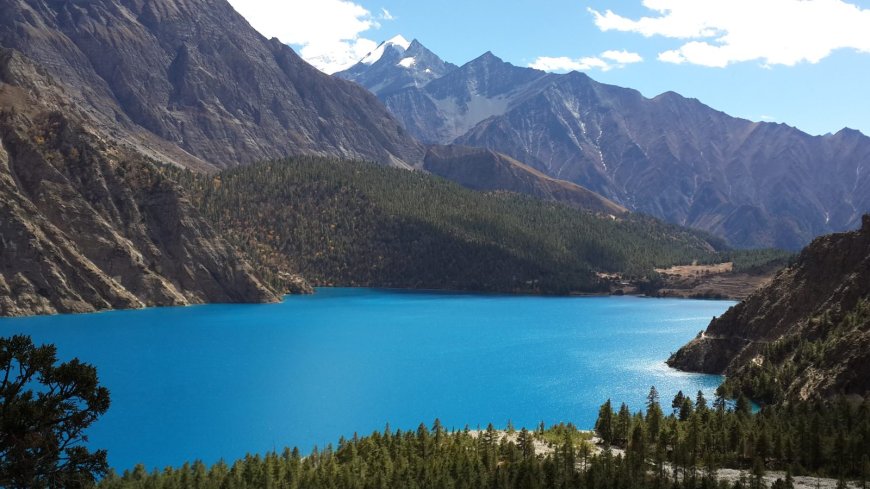
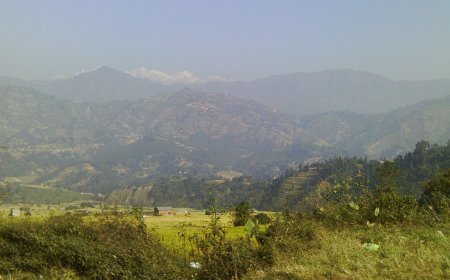
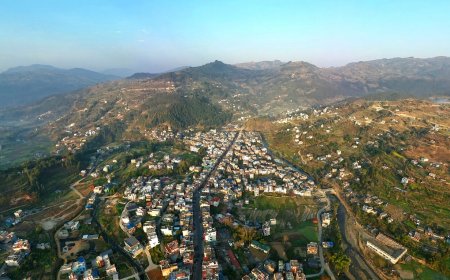
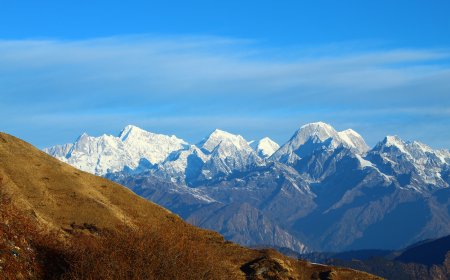
Dolpa sits in the far west of Nepal, a region that still feels remote even by Himalayan standards. The main gateway for most visitors is Juphal, a small airstrip perched above the Thuli Bheri river. From there, trails fan out toward Phoksundo Lake, the turquoise heart of Shey Phoksundo National Park, and further north into the restricted upper valleys around Dho Tarap and Shey Gompa. Planning a trip here is less about booking a package and more about building a chain of confirmations — flights, permits, logistics — each of which can shift with weather, policy changes, or seasonal demand.
Arranging and confirming access to Juphal
There is no fixed schedule you can rely on months ahead. The Nepalgunj–Juphal sector is served by small aircraft — typically Twin Otters or similar STOL types — operated by a handful of domestic carriers. What you can do today: identify the current operators (check the Civil Aviation Authority of Nepal’s airline list), then contact their Kathmandu or Nepalgunj sales offices directly. Ask for the current operating days, the typical reporting time at Nepalgunj airport, and the latest cut‑off for confirming a seat. A confirmation is not a guarantee; it means the airline intends to fly if weather and aircraft availability allow. If the flight does not operate, the standard option is to rebook for the next available day or, if time is tight, to explore the road route from Surkhet to Dunai — a multi‑day journey that requires its own permit checks. Keep the airline’s phone number and the Nepalgunj airport operations desk saved offline; mobile coverage in Juphal is patchy at best.
Permits you must verify before you go
Two separate permit layers apply. For Lower Dolpa (the area up to and including Phoksundo Lake), you need a Shey Phoksundo National Park entry permit. For Upper Dolpa (north of the park boundary, including Dho Tarap, Shey Gompa, and the trans‑Himalayan valleys), a restricted‑area permit (RAP) is mandatory, issued only to groups of at least two trekkers accompanied by a licensed guide. The Department of Immigration in Kathmandu is the primary issuing authority for RAPs, but in practice many trekking agencies arrange them through their Kathmandu offices. The park entry permit can be obtained at the park headquarters in Suligad (on the trail from Juphal) or in advance through the Department of National Parks and Wildlife Conservation. Fees for both permits change; do not rely on figures from older blogs. On the day you finalise your itinerary, open the DNPWC fee page and the Immigration RAP page, note the amounts, and confirm the payment method (bank deposit, card at the counter, or agency‑handled). A permit covers entry only — it does not guarantee lodge availability, trail conditions, or flight operations.
Seasonal patterns — frame, don’t declare
Most trekkers aim for the pre‑monsoon window (late April to early June) or post‑monsoon (late September to early November). These patterns are reported by trekking agencies and park staff, but micro‑climates in Dolpa can differ sharply from the broader forecasts. The monsoon typically brings heavy rain to the southern approaches, making the Juphal–Dunai trail muddy and prone to landslides. Winter (December–February) sees snow close the high passes into Upper Dolpa, and many lodges shut down. Yarsagumba collection season (May–June) spikes demand for rooms in Dunai and Juphal; if your dates overlap, book lodges weeks ahead through a local contact. Always confirm current trail and pass conditions with a guide or the park office in Suligad just before departure.
Pre‑trip checklist (dated 11 October 2026)
- Verify flight operating days and reporting time with the airline’s Nepalgunj office; save contact numbers offline.
- Confirm restricted‑area permit issuance point (Kathmandu Immigration or authorised agency) and group size requirement.
- Check Shey Phoksundo National Park entry fee on the DNPWC website; note payment method.
- Arrange a licensed guide — mandatory for Upper Dolpa, strongly recommended for Lower Dolpa.
- Confirm lodge availability in Dunai and Juphal for your arrival night; ask about yarsagumba season pressure.
- Carry enough cash (Nepali rupees) for permits, lodges, and incidentals; ATMs in Dunai and Juphal are unreliable and may not accept foreign cards.
- Pack for rapid weather shifts: waterproof layers, warm insulation, sun protection, and a basic medical kit.
- Share your itinerary and permit copies with a contact in Kathmandu who can follow up if communications fail.
Each item above is a step you can take today. The specifics — flight days, fee amounts, lodge contacts — will change. Treat this guide as a framework for verification, not a substitute for it. Dolpa rewards preparation; the landscape does the rest.
What's Your Reaction?