






Everest Base Camp Packing List: What to Bring, Rent and Leave Behind
A zone-by-zone Everest Base Camp packing list covering what to buy or rent in Kathmandu, the Lukla baggage squeeze, layering on the trail, footwear, teahouse sleeping, the cold above the treeline, and the gear worth leaving at home.

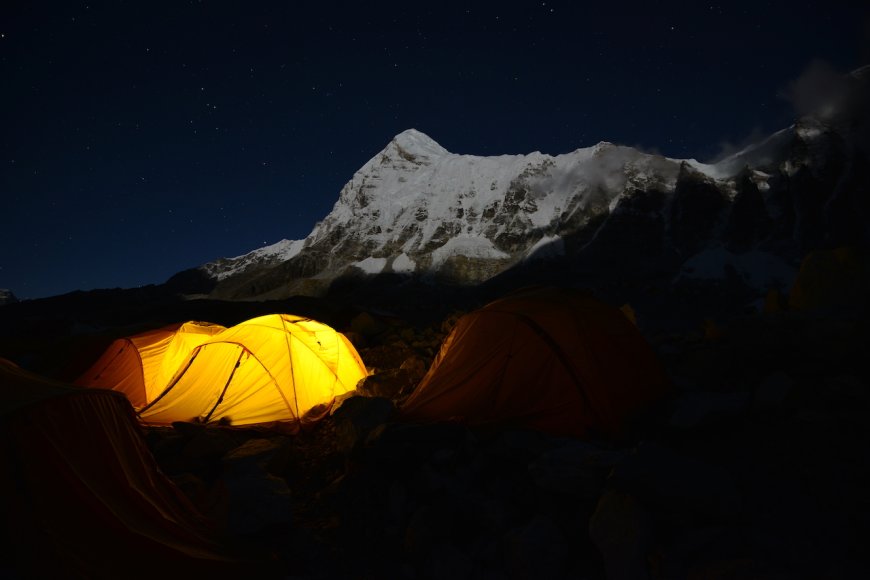
An Everest Base Camp packing list is less a list of items than a set of decisions, and most of them get made before you leave Kathmandu. What you carry on the Lukla flight, what you wear through a long trekking day and what keeps you warm at night are three different kits. Mix them up and you'll haul things you never touch while shivering through the one layer you left behind.
So this is organised by zone rather than by category. Kathmandu, the flight, the walking day, the teahouse evening, the push above the treeline. Each one gets what belongs there and, just as usefully, what doesn't.
Kathmandu: where the buy-or-rent calls get made
Give yourself a full day in Thamel for gear, not an afternoon. Shops open late, the good rental places get picked over in peak season, and you don't want to be choosing a down jacket at 8pm the night before your flight.
Down jacket and sleeping bag are the two big rentals. In a shop, do more than look. Unzip the bag all the way, check the baffles for clumping, put the hood up, and ask how recently it was cleaned. A bag that smells of someone else's trek is a bag that wasn't cleaned. For jackets, check the zip runs smoothly and the cuffs haven't gone bald. Try it on over the layers you'll actually wear, because a jacket that fits over a t-shirt tells you nothing.
Boots are the exception. Rent them and you inherit someone else's wear pattern along with the blisters. Buy at home, walk in them for a few weeks, and accept that they'll be the heaviest thing in your bag.
Things worth buying rather than renting in Kathmandu: duffel bags, dry bags, trekking poles, hats, gloves, cheap sunglasses you won't cry about losing. Check stitching and buckles before you pay. The branded gear on offer in the tourist district is often not what the label claims, so buy on how it feels, not on the logo.
Last thing in the city: ask your hotel or guesthouse to store a bag for you. Almost all of them will, and it's a lot easier than posting things home. Confirm the arrangement and get it in writing if you can.
The Lukla flight and the weight squeeze
Small aircraft means tight allowances, and they weigh everything, sometimes including what you're carrying on. Allowances differ between operators and change, so get yours confirmed in writing by whoever issues your ticket rather than trusting a number you read online. Helicopter charters work differently again and are usually arranged through your trekking agency.
Practical fallout from that: pack into a soft duffel, not a hard case, and keep medication, a warm layer and a spare pair of socks with you in the cabin rather than in the hold. Flights get delayed for weather, sometimes for a day or more, so the layer you'd want if you're stuck at the airstrip should never be the one buried at the bottom of the bag.
Layers: the part people overpack
Two base layers, two mid layers, one shell. That's the working wardrobe for most of the trek, plus the down jacket for evenings. Not five of anything.
The rhythm of a trekking day is start cold, walk hot, stop cold, and the trick is shedding a layer before you sweat rather than after. Sweat at altitude is uncomfortable at best. Down stays in the pack all day and comes out at the lodge.
Skip cotton next to your skin. Merino or synthetic, and two of them, washed in the evening and dried overnight on the back of a chair.
The sun catches people out. UV at altitude is brutal, and the reflection off snow and dust doubles it. Wide-brim hat, high-factor sunscreen, lip balm with SPF, and proper glacier-grade sunglasses rather than fashion ones. Snow blindness is a real thing and it ends treks.
Footwear and feet
Waterproof boots with a bit of ankle support suit most people on this trail, which is rocky, dusty and often wet underfoot. Trail runners are increasingly common and fine if your ankles and pack weight allow it, but the rock is unforgiving.
Socks matter as much as boots. Merino, a fresh pair at lunch if you're prone to blisters, and a liner sock if that's what worked on your training walks. Bring proper tape for blister management, not just plasters, plus a needle and a small pair of scissors. Trim your nails before you go; long nails on a descent are their own kind of misery.
Gaiters are optional but earn their place in the dry season, when the trail dust gets into everything.
Teahouse evenings and the sleep system
What a lodge provides varies enormously between villages and between lodges in the same village. Blankets are common lower down and less dependable higher up, so ask the specific lodge you've booked rather than assuming, and treat any extra blanket as a bonus rather than part of your plan.
A silk or fleece liner is cheap insurance and weighs almost nothing. Beyond that: earplugs, an eye mask, a headtorch, and a pair of Crocs or flip-flops for the bathroom run. Charging often costs money in the lodges, so bring a power bank and the right plug. Nepal runs on 230V with type C, D and M sockets.
Toilet paper, wet wipes and hand sanitiser all cost more on the trail than in Kathmandu. Buy them in the city.
Water is the one item worth planning properly. A filter bottle or purification tablets plus a couple of reusable bottles will save you money and a lot of plastic. Khumbu's local government brought in restrictions on single-use plastic bottles at the start of 2020 and refill points exist in many villages, though enforcement and availability vary. Check the current local rules before you rely on buying bottled water up there.
Above the treeline
Past Dingboche the wind gets serious and the temperature drops fast once the sun goes. This is where the extra warm layer earns its weight: thicker gloves, a balaclava or buff, an extra fleece, hand warmers if you feel the cold badly.
Snacks that survive being frozen solid are worth thinking about. Chocolate bars turn to concrete overnight; nuts, dried fruit and boiled sweets don't.
Altitude medication is a conversation with a travel doctor before you fly out, not something to improvise in a lodge. Book that appointment early enough to act on the advice.
What to leave behind
This half of the list saves more weight than the packing half.
- Jeans. Heavy, slow to dry, cold when wet.
- More than two pairs of trekking trousers.
- A laptop, and usually the heavy camera kit you swore you'd carry every day.
- Full-size toiletries. Decant into small bottles.
- Books. One paperback or an e-reader.
- Drones. They need permits in Nepal and are restricted in many areas, including national park land.
Permits and rules that affect what you pack
Which permits your route requires, and what they cost, has changed more than once. Confirm the current position with the Nepal Tourism Board, the Sagarmatha National Park office or your trekking agency, and get it in writing before you hand over money. Don't budget from a figure on a blog published three years ago.
Travel insurance needs to cover high-altitude trekking and helicopter evacuation explicitly. Read the altitude limit in the policy and check it against the highest point on your itinerary. It's the one piece of paperwork people discover is wrong at the worst possible moment.
Rent or buy: three questions
Will you use it again within a couple of years? Is fit critical to it working? And what happens if it fails on the mountain?
Boots: fit is critical, buy. Down jacket: fit matters, failure is cold but survivable, so renting a good one is sensible if you'll never wear it again. Sleeping bag: same logic, but check the temperature rating honestly rather than trusting the label. Trekking poles: cheap to buy, awkward to rent, buy. Anything you'll use twice a year at home is worth owning.
Pack for the five zones, weigh your duffel before you leave Kathmandu, and keep the receipts for anything you rented.
What's Your Reaction?