



Long Stays in Nepal: No Retirement Visa, and Where the Real Costs Are Actually Published
Nepal has no retirement visa; this guide shows the real visa options, where official cost data lives, and why published price lists are unreliable. Last verified 5 Oct 2026.

Last verified: 5 October 2026
Most people searching for Nepal retirement visa want three things: permission to stay, a clinic they can trust, and a number for what it costs. This guide covers the first two and explains why the third is a trap. Immigration rules, fees, tax thresholds and insurance terms change; verify each on the official page before you rely on it and talk to a licensed professional about your own situation.
Nepal has no dedicated retirement visa
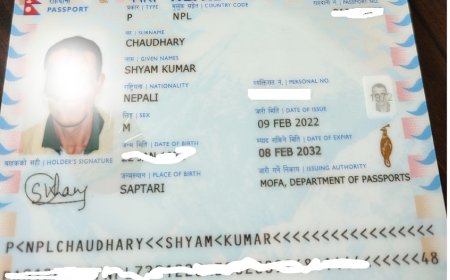
Nepal operates no retirement visa category. There is no long‑stay permit issued on the basis of being retired or receiving a pension. The idea has been floated in budget speeches more than once, but proposed repeatedly, never enacted. Anyone who tells you otherwise, or sells a service to obtain one, is describing something that does not exist in Nepali immigration law. Long stays are handled through the visa classes that do exist, and the authoritative source is the Department of Immigration: nepalimmigration.gov.np. Read the wording there on the day you read it; immigration pages get revised.
What you can actually use to stay longer
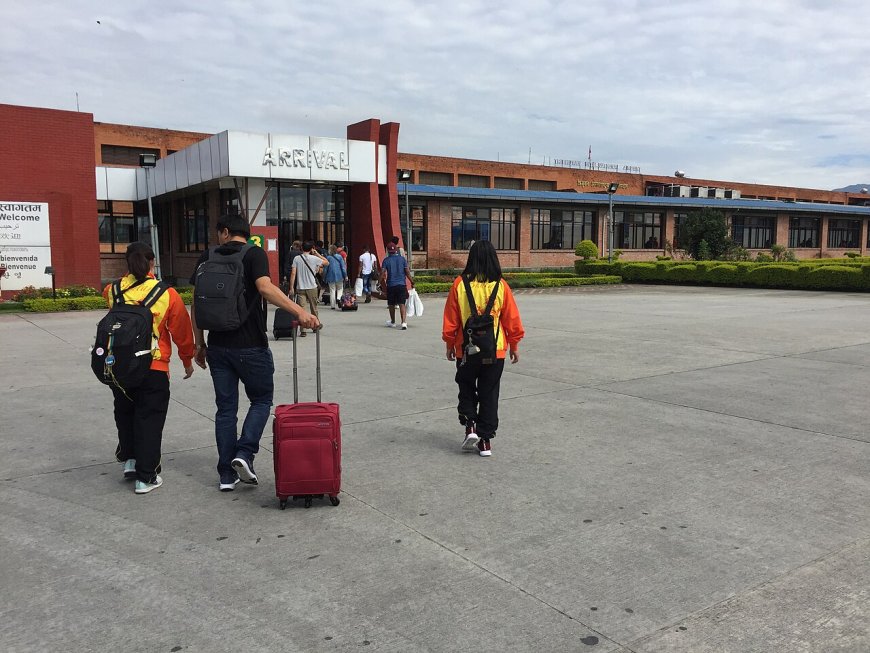
For most foreign visitors the entry point is a tourist visa, issued on arrival at Tribhuvan International Airport for many nationalities and through Nepali missions abroad. The Department of Immigration publishes the tourist visa categories, permitted stay for each, extension terms, the fee schedule and the penalties for overstaying. Those numbers get revised — check them on the department's own schedule page on the day you need them and take a screenshot or keep an archived copy.
Beyond the tourist category, Nepal issues non‑tourist visas. These cover business, employment, study, dependent cases and Non‑Resident Nepali (NRN) related matters. Entry and visa formalities sit with the Department of Immigration (and the Home Ministry); the Ministry of Foreign Affairs handles NRN card issuance (mofa.gov.np). The word doing the work is qualify: you need an actual job, a registered business, an institution genuinely enrolling you, or the NRN connection. Without one of those, the tourist category and its extensions are your realistic route.
There is also a residence‑permit route tied to foreign investment under the Foreign Investment and Technology Transfer Act (FITTA) and the accompanying immigration rules. That path exists, but it requires a qualifying investment and approval — it is not a back‑door retirement visa.
Two things worth being blunt about: extending a tourist visa is not the same as building residence, and years of extensions do not convert into permanent status. Overstaying carries published penalties; nothing here is guidance on avoiding them.
Where the real cost figures live
Search for the cost of living in Nepal for foreigners and you will find confident monthly figures — rent in Kathmandu, a furnished flat in Pokhara, groceries, power, internet. Very little of it is dated, sourced, or separated by who is paying. A Nepali household's food basket and a foreign long‑stay resident's costs are different budgets. The second one includes visa and extension fees, private or international health cover, private clinics, imported goods, and furnished housing in the neighbourhoods foreigners actually rent in. Kathmandu and Pokhara differ on top of that. Rather than quote numbers that would be undated the moment they were typed, here is where each one lives and what to check.
| What to verify | Primary source | Where it is published |
|---|---|---|
| Visa classes, permitted stay, extension terms, fees, overstay penalties | Department of Immigration | nepalimmigration.gov.np, visa and fee schedule pages |
| Visa on arrival eligibility | Department of Immigration | nepalimmigration.gov.np |
| NRN card issuance | Ministry of Foreign Affairs | mofa.gov.np |
| Health policy and service structure | Ministry of Health and Population | mohp.gov.np |
| National health insurance scheme rules, by fiscal year | Health Insurance Board | hib.gov.np |
| Foreign exchange facility, repatriation and remittance rules | Nepal Rastra Bank | nrb.org.np, circulars |
| Tax residency and the in‑force Finance Act, by year and section | Inland Revenue Department, Ministry of Finance, Nepal Law Commission | ird.gov.np, mof.gov.np, lawcommission.gov.np |
| Electricity tariffs and load‑shedding notices | Nepal Electricity Authority | nea.org.np |
| Monsoon outlook and rainfall records | Department of Hydrology and Meteorology | dhm.gov.np |
| Air quality, with the measurement period stated | IQAir and government monitoring data | Published city and historical datasets |
| Internet speed, with the month of the report | Ookla Speedtest Global Index | Monthly report |
| Road safety | WHO Global Status Report on Road Safety (2023 edition); Nepal Police crash data | Published reports, with years |
Listing sites, tariff notices, index snapshots and fee schedules change without announcement, so any figure you do record needs a permanent link, an archived copy or a dated screenshot — not a live URL that may show something else next month.
Healthcare and insurance
Nepal's health system is structured under the Ministry of Health and Population, which publishes policy and service‑structure documents. Alongside it, the Health Insurance Board runs the national social health insurance scheme and publishes details by fiscal year. Nepal's current fiscal year is 2083/84 (mid‑July 2026 to mid‑July 2027). When you look up scheme details, note which fiscal year the page belongs to instead of assuming it is the one in force.
Whether a foreign national can enrol in that scheme is a specific question with a specific answer, and the answer belongs to the board's own published rules. Do not assume either way, and do not treat a forum post as evidence.
For private cover, read the insurer's policy document rather than a broker's summary. Age limits at entry, waiting periods, exclusions for pre‑existing conditions, and whether medical evacuation is included, capped or excluded entirely are all defined at clause level. Ask for the clause numbers. Evacuation from a high‑altitude trek is one of the more common gaps between what people believe they bought and what the policy actually says.
Tax, money and banking
Tax residency in Nepal is a day‑count test set in income tax law and restated in the annual Finance Act. Because the Act is passed each year, cite the year and section rather than carrying over an earlier year's wording, and check the in‑force Act on the Nepal Law Commission site and the Inland Revenue Department. If your stay is part‑year, the count is the whole question, and it is worth a Nepali tax professional rather than a blog.
On moving money, Nepal Rastra Bank publishes the foreign exchange facility rules and the repatriation and remittance provisions that apply to foreign nationals. Read the circular, not a summary of it.
Trade‑offs that are documented
Some drawbacks have solid public sources and are worth checking with the measurement period attached: air quality (IQAir and government monitoring data), altitude and travel health (US CDC Travelers' Health and WHO travel‑health pages — general travel‑health information only, not medical advice), the monsoon (Department of Hydrology and Meteorology seasonal outlooks with the year noted), power supply (Nepal Electricity Authority notices), internet speed (Ookla Speedtest Global Index with the month of the report), and road safety (WHO Global Status Report on Road Safety, 2023 edition; Nepal Police crash data, with years).
Other countries, for context
Several Asian neighbours do run dedicated long‑stay programmes, each with its own eligibility basis: Thailand, Malaysia's MM2H, the Philippines' SRRV administered by the Philippine Retirement Authority. Their terms are not interchangeable with anything Nepal offers, and investment‑migration programmes sold by consultancies are a different instrument again. A residency‑by‑investment scheme is not a retirement visa, whatever the sales page calls it.
Limits of this article
This is a guide to where the primary sources are, not a legal, tax or medical opinion, and not financial advice. Immigration rules, fees, tax thresholds and insurance terms change. Verify each on the official page before you rely on it, and talk to a licensed professional about your own situation. Nothing here should be read as help with circumventing visa conditions.
For more on extending a tourist visa, see our tourist visa extension guide. To compare everyday expenses between the two main expat hubs, check the Kathmandu vs Pokhara living costs breakdown.
What's Your Reaction?