












Why There Is No Single Official Count of How Many People Have Climbed Mount Everest
Everest has no single official all-time summit count, and the reason is structural: Nepal and China run separate permit systems with no shared database, permits record intentions rather than summits, verification relies on submitted evidence rather than measurement, and the Himalayan Database is a compiled archive rather than a government register. The piece explains why people-counts and ascent-counts differ, why totals drift, and which questions to ask before quoting any figure.

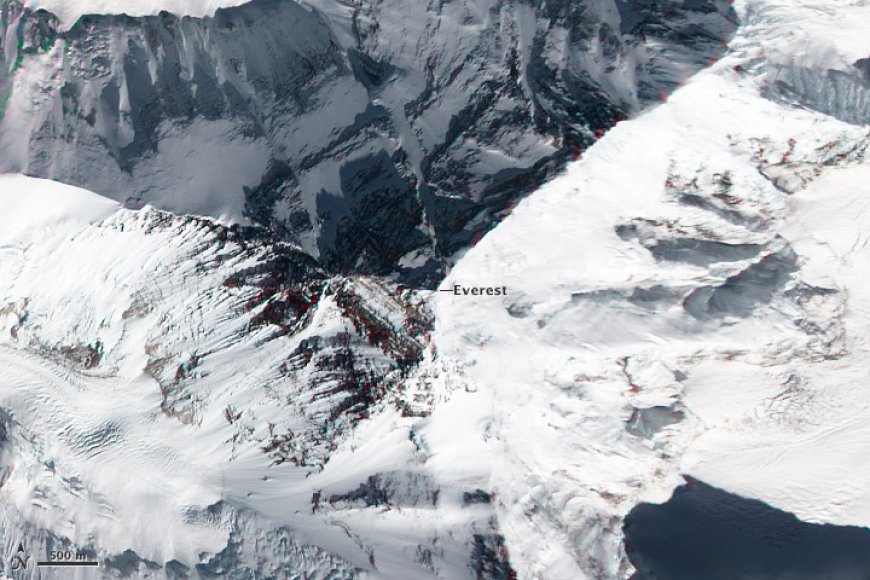
Ask how many people have climbed Mount Everest and you'll usually get a confident number back within seconds. Ask where that number came from and the confidence tends to evaporate. Not because anyone is hiding something, but because no institution on earth keeps a single register of every person who has stood on that summit.
That is the honest answer, and it's worth unpacking, because the question gets answered constantly in headlines, sponsor decks and school projects with figures stitched together from at least four different kinds of record. Each one counts something slightly different.
Two countries, two permit systems, no shared ledger
Everest sits on the border, which means climbing it means applying to one of two governments.
From the south, in Nepal, permits are issued by the Department of Tourism under the Ministry of Culture, Tourism and Civil Aviation. From the north, in Tibet, permission comes through Chinese mountaineering authorities in the Tibet Autonomous Region, normally arranged via a registered local agency. Different forms, different fees, different seasons and quota rules, different languages, and no shared person-level database between them.
So the first reason there's no total is structural. There is no single body that could issue one even if it wanted to. Any all-time figure you read is somebody's attempt to merge two separate paper trails.
A permit records an intention, not a summit
Seasonal permit numbers from Kathmandu are the closest thing to an official annual figure, and they get quoted as if they were summit counts. They aren't. A permit is granted before the climb. It tells you how many people planned to go, not how many reached the top. Turnaround rates vary a lot year to year with weather, crowding, route conditions and how the rope-fixing schedule lands.
Permits are still useful. They're the most reliably dated number in the whole picture, and they anchor everything else. They just answer a different question than the one being asked.
Proving you actually stood on top
Nepal's tourism department issues summit certificates, and getting one means submitting evidence after the climb: summit photographs, team statements, sometimes GPS traces. That's documentary verification, and it's reasonable. It isn't measurement. Nobody is checking your altitude reading from the summit ridge.
The system also gets messier the further back you go. Ascents from the 1950s through the 1980s predate any of this paperwork, so you're relying on expedition accounts written by people with every incentive to be accurate and no independent check on them.
Then there's the geography problem. The south summit sits roughly a hundred metres below the true summit. Reaching it is an enormous achievement and it is not summiting, and the difference has been the subject of disputes that are close to impossible to settle years later. Any count that doesn't have a definition behind it is floating.
The Himalayan Database is a reference, not a registrar
The archive most researchers, journalists and expedition operators lean on began with Elizabeth Hawley, the Kathmandu-based journalist who started interviewing returning expeditions in the early 1960s. It was later digitised and is now maintained by a small nonprofit team with a searchable online version.
It is genuinely the best thing available, and it does what a good count needs: it records outcomes member by member, distinguishing summits from non-summits rather than lumping a whole team together.
But read its own description carefully and you'll see it describes itself as a compilation of expedition records, not a government registry. Completeness depends on expeditions reporting and on the archive's team being able to chase them down. North-side coverage depends on information flowing out of Tibet. It is an extraordinary piece of work. It is not an official count, and it has never claimed to be one.
People versus ascents: the double-counting problem
Here's where most quoted figures quietly break.
A guide who summits five times is one person and five ascents. Sherpa guides and highly active commercial operators can rack up multiple summits in a single season. So the number of people who have climbed Everest and the number of times Everest has been climbed are permanently different numbers, and articles almost never say which one they're quoting.
The compiled totals in circulation put distinct summiteers in the several thousands and total ascents well above ten thousand, but notice what you're looking at: an archive's running tally, not a register, and one that shifts every season. If you quote it, quote the version and the date you read it.
Why totals drift upward faster than climbing does
Round numbers harden. Someone says "about 6,000" in a documentary, it gets repeated, and within a few years it's cited as fact in places that never checked. Sponsor press releases sometimes announce a summit before verification catches up. Year-by-year series have holes, including 2020, when both sides closed and the trend lines on either side of the gap stopped meaning what they appeared to mean.
And definitions keep sliding. Climbed. Summited. Attempted. Reached the south summit. Summited without supplemental oxygen, which is a real and separately tracked distinction. Each of those is a legitimate question that produces a different number.
How to read an Everest number without being misled
Four questions will sort most of them out.
Is it people or ascents? Which side of the mountain? What's the source, and what's the as-of date? And was it verified, or self-reported?
If a figure arrives with no as-of date, treat it as decoration. A count without a date is a claim about the past dressed up as a fact about now.
As of November 2026, nothing in the public record gives a single audited all-time total of everyone who has reached the summit, and the people closest to the records will tell you the same thing. That's not a dodge. It's the actual state of the evidence, and knowing it makes every other number on the subject easier to judge.
What's Your Reaction?