

Kathmandu to Everest Base Camp: A Spring Trekking Guide (March to May)
A practical spring guide to the Everest Base Camp trek from Kathmandu, covering the March to May weather window, Lukla flights and the Manthali diversion, the Sagarmatha National Park and Khumbu permits, the 2023 guide rule, honest cost planning, and a proper acclimatisation routine.

Spring is the season most people picture when they imagine the walk to Everest Base Camp: clear mornings, rhododendrons flowering below Namche, and a trail full of climbers on their way to the summit. It is also the season when Lukla flights are hardest to book and the teahouses at the top end fill up first. What follows is the practical side of getting from Kathmandu to Base Camp between March and May, and what to sort out before you leave.
Why spring works, and where it doesn't
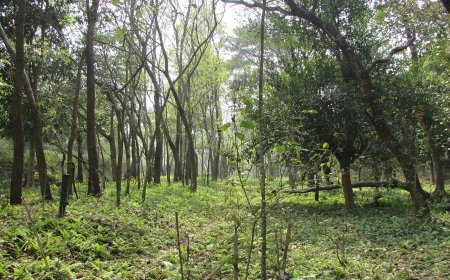
March starts cold and relatively quiet. Some lodges higher up, particularly around Gorak Shep, may still be opening for the season, and the trail has room to breathe. By late March and early April the forest between Phakding and Namche is at its best, and the expedition teams are moving gear up the Khumbu valley.
April is the sweet spot for most trekkers: settled mornings, moderate temperatures, long daylight. May is warmer and busier on the lower trail, but the afternoons start to cloud over and the pre-monsoon build-up brings the occasional grey, drizzly day. Late May also marks the tail of the climbing season, so Base Camp is still a working village of tents rather than an empty glacier.
Whichever week you pick, build in at least two spare days. Weather delays on the Lukla flight are the single most common way spring itineraries fall apart.
Getting from Kathmandu to the trailhead
Almost everyone starts with the short flight from Kathmandu to Lukla. In recent spring and autumn seasons, airlines have shifted many of those departures to Manthali airport in Ramechhap district to ease congestion in Kathmandu, which means a very early road transfer of roughly four to five hours before the flight itself. Ask your agency which airport your ticket is actually from, because the answer changes your whole first day.
The flight is short, spectacular and weather-dependent. Small aircraft, tight baggage allowances and a lot of waiting around are part of the deal. Helicopter transfers cost considerably more and are sometimes the only way to keep a fixed itinerary on track.
There are alternatives if the flight doesn't appeal. You can fly to Phaplu and walk in over several days, or take a jeep to Jiri or Salleri and trek the old approach route. Both add roughly four to seven days and a lot of climbing before you even reach Lukla, which some people find is the best acclimatisation they get.
Permits and paperwork
Two permits are checked at the Monjo entry point into Sagarmatha National Park: the national park entry permit and the Khumbu Pasang Lhamu Rural Municipality local entry permit. In recent seasons the local permit has replaced the TIMS card for this area, but confirm that with your agency or the Nepal Tourism Board before you travel, because the rules have shifted more than once.
Nepal announced in 2023 that foreign trekkers in national parks and conservation areas must be accompanied by a licensed guide. Enforcement has been uneven across the country, but trekking agencies operating in the Khumbu generally treat it as applying there. Check the current position with the Nepal Tourism Board rather than relying on a blog post, including this one.
Permit fees are set by the government and paid in Nepali rupees. Carry cash for them and get a receipt for each. Your agency will usually handle the paperwork, but make sure you know what has been bought in your name and keep a copy.
Insurance matters more here than on almost any other trek. You want a policy that covers trekking above 5,000 metres and helicopter evacuation, and you want to have read the small print about what triggers a heli pickup. Read it before you fly, not from a lodge in Pheriche.
What it costs, and why quotes vary so much
Package prices for the same itinerary can differ by a wide margin, and almost none of the difference is the mountain. Group size, guide and porter ratios, whether domestic flights are included, lodge standard, and how many buffer days the agency builds in all move the number. Ask for an itemised quote: permits, flights, accommodation, food, staff wages, insurance for staff, and the rescue contingency.
On the trail, prices rise with altitude because everything is carried or flown in. Budget for cash in rupees, since card payment is unreliable above Namche and the ATMs there cannot be depended on. Food and hot drinks are the main daily expense; charging devices and buying wifi access cost extra at most lodges.
The route and how to acclimatise properly
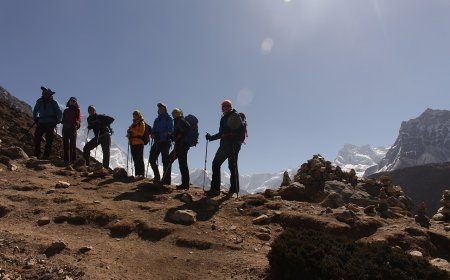
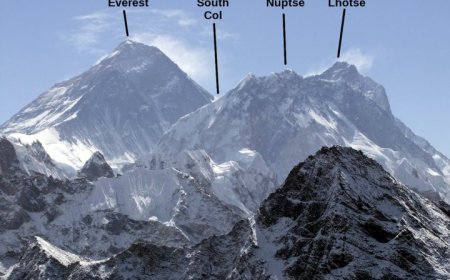
The classic itinerary runs from Lukla at roughly 2,840 metres up through Phakding, Namche Bazaar at about 3,440 metres, Tengboche, Dingboche, Lobuche and Gorak Shep, with Base Camp at around 5,360 metres and Kala Patthar a little above 5,500. Most people take twelve days from Lukla to Lukla, and the sensible ones take longer.
A few rules of thumb used across the Himalaya and by mountain medicine organisations:
- Above 3,000 metres, keep the altitude you sleep at from rising by much more than 500 metres a night.
- Take a rest day at Namche and another at Dingboche. They are built into good itineraries for a reason.
- Walk high, sleep low. A short afternoon climb above your lodge helps more than it feels like it does.
- Never push on through a worsening headache, vomiting, breathlessness at rest, or confusion. Those are reasons to descend, not to take another paracetamol.
Acute mountain sickness is common and usually mild. Cerebral and pulmonary oedema are rare and life-threatening, and the treatment for both is to lose altitude, fast. Know the symptoms before you go, and make sure your guide does too. If you are considering acetazolamide, talk to a travel doctor at home rather than taking advice from a lodge owner.
Weather, kit and the daily routine
Spring days tend to start clear and cold, warm up sharply by mid-morning, and cloud over after lunch. Above Dingboche the nights stay well below freezing. You need layers you can shed quickly, a genuinely warm down jacket and sleeping bag for the upper lodges, sunglasses with high UV protection, and a water treatment method you will actually use every day.
Most trekking days are four to six hours of walking, which leaves a lot of time sitting in a dining room. Bring a book, a headtorch and earplugs. Lodges are basic but warm enough once the stove is lit, and dal bhat is the meal that keeps most people going.
Bookings and crowds
Spring is the second-busiest season in the Khumbu after autumn, and the popular lodges in Namche, Dingboche and Lobuche fill up in April. If you are trekking independently, arrive early in the day and expect to share a room in the peak weeks. If you are with an agency, ask them to confirm which lodges are actually booked, not just which village you are sleeping in.
Before you fly: a short checklist
- Passport valid for six months, plus Nepali visa sorted in advance or on arrival.
- Travel insurance that explicitly covers high-altitude trekking and helicopter evacuation.
- Permits arranged and receipts kept.
- Domestic flight confirmed, and the departure airport confirmed separately.
- Two buffer days on the return leg before your international flight.
- Cash in rupees, a water treatment plan, and a warm sleeping bag.
Rules, fees and flight arrangements in the Khumbu change regularly. Before you book anything, check the Department of National Parks and Wildlife Conservation, the Nepal Tourism Board and your airline directly for the current position, and treat any guide, including this one, as a starting point rather than the final word.
What's Your Reaction?