






Annapurna Base Camp vs Everest Base Camp: A 2026–27 Season Decision Guide
A decision guide comparing Annapurna Base Camp and Everest Base Camp for the 2026–27 season, covering base camp altitudes (~4,130 m vs ~5,364 m), typical durations (9–12 days vs 12–14 days), permits, teahouse conditions, trailhead access, insurance and evacuation, acclimatisation, and what autumn 2026, winter and spring 2027 actually look like.

Both treks end at a base camp under a famous mountain, both thread through teahouse villages, and both ask you to walk for days on end. After that the two routes stop being similar. Annapurna Base Camp and Everest Base Camp differ in how high you sleep, how long you are away, what paperwork you carry and how you reach the trailhead. This page is about choosing between them, not about walking either one step by step.
ABC vs EBC: the short verdict
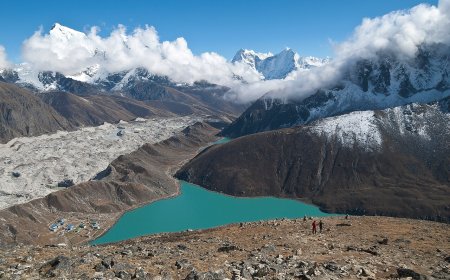
Pick the Annapurna side if your time is limited, if you would rather not stack up night after night above 4,000 m, and if flexible road access to the trailhead appeals to you. The villages below the sanctuary sit lower, so the whole trip feels gentler on the body.
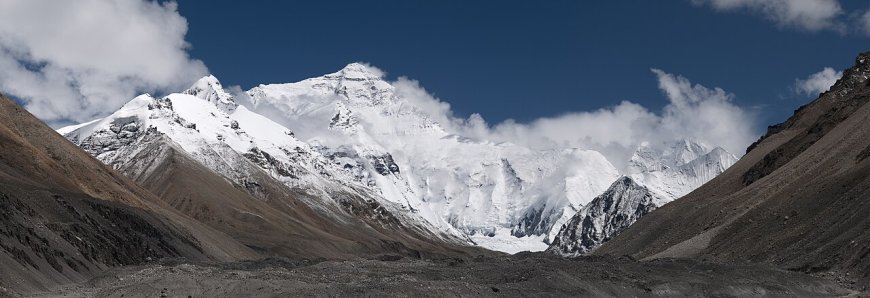
Pick the Everest side if the Khumbu itself is the draw: Sherpa settlements, monasteries, glaciers, and the walk into a base camp you have probably heard about for years. That trip needs more days and more patience with altitude.
One difference people only discover late: the two base camps are not the same kind of place. Annapurna Base Camp has a small cluster of lodges and most trekkers sleep there for a night before walking back down. Everest Base Camp is a working expedition site on the Khumbu Glacier, and trekkers do not stay there. You walk up from Gorak Shep, spend an hour or two among the tents, and return to Gorak Shep to sleep.
For route detail, day splits and logistics, see our full Annapurna Base Camp trek guide and the matching Everest Base Camp trek guide. The comparison below is about the decision, not the walking.
The two numbers that settle most arguments
Altitude first. Annapurna Base Camp sits at roughly 4,130 m. Everest Base Camp sits at roughly 5,364 m. That is more than a kilometre of difference in the air you are breathing at the endpoint, and it changes everything about how the last few days feel.
Duration second. Annapurna Base Camp is commonly sold as a 9 to 12 day trek from the roadhead, with Poon Hill variants pushing it longer. Everest Base Camp is commonly sold as 12 to 14 days from Lukla, including acclimatisation days and the flight buffer. Treat both as ranges sold by operators rather than fixed facts, then compare how many nights you spend high.
| Annapurna Base Camp | Everest Base Camp | |
|---|---|---|
| Base camp altitude | ~4,130 m | ~5,364 m |
| Commonly sold duration | ~9–12 days | ~12–14 days |
| Highest sleeping point | ABC itself, ~4,130 m | Gorak Shep, ~5,150 m |
| Overnight at base camp? | Yes, lodges at ABC | No, up and back from Gorak Shep |
EBC vs ABC itinerary days, and where altitude changes the plan
Day counts are not fixed facts on either route. Every operator sells a slightly different schedule, and rest days are the main variable. When you compare itineraries, compare the number of nights spent high rather than the total days on the brochure.
The Everest route not only asks for more days, it puts far more of them above 4,000 m. Dingboche, Lobuche and Gorak Shep alone mean several high nights in a row. On the Annapurna route the usual pattern is one night above 4,000 m, at ABC, with Deurali and Machhapuchhre Base Camp sitting lower on the way in. That gap, more than the day count, is why the acclimatisation conversation is different on each trek.
A short Everest itinerary is not a bargain. It is usually a schedule with less room to adjust when someone in your group feels bad, and on that route the room to adjust is the safety margin.
Everest base camp trek permits: SNP entry and the Khumbu levy
Two separate things are checked on the Everest route: the Sagarmatha National Park entry permit, issued through the national park system, and the local levy set by Khumbu Pasanglhamu Rural Municipality. They are separate payments to separate authorities, and trekkers are checked for both along the way.
Fee amounts get revised from time to time, so confirm the current figure with the issuing office before you budget rather than trusting a number from a blog, including this one. Carry printed copies as well as digital ones, and keep them dry.
Annapurna base camp trek ACAP permit and TIMS
The Annapurna route needs an Annapurna Conservation Area entry permit, administered by the National Trust for Nature Conservation, plus a Trekkers' Information Management System card issued through the Nepal Tourism Board and TAAN system. Checkpoints on the trail ask for both, and the requirement does get adjusted, so confirm the current rule at the counter rather than from a forum post.
Again, get the amount from the issuing body on the day you buy. Permit prices move, and the figure someone quotes in a hostel common room may be several seasons old.
Which one is harder on the body
Neither trail is technically difficult. Both follow established paths between villages, and neither needs ropes or climbing gear. What makes one feel harder is altitude exposure. On the Everest route the tiredness is cumulative in a way the Annapurna route usually is not, because you keep sleeping high. Trail fitness gets you up the hills. Only time and sensible pacing get you comfortable at height.
There is also the last day on the Everest side. Gorak Shep to Base Camp and back is a long, grey, glacier-scoured walk at over 5,000 m, and it is the part most people underestimate.
Seasons: what autumn 2026, winter and spring 2027 actually look like
Autumn is the classic window, roughly late September into November, with settled skies and the heaviest traffic. By the third week of November, autumn 2026 is effectively over. Nights at altitude are well below freezing, some high lodges start shutting, and the last trekkers of the season are walking out. If you are reading this in late November, plan for a later window rather than trying to squeeze in a 2026 departure.
Winter, roughly December to February, is cold and quiet. Snow can close the higher sections on the Everest route for days at a time, and a fair number of high teahouses close. The Annapurna route is more forgiving at that time of year but still cold at the top. Quiet trails, short days, and a real need for flexible bookings.
Spring 2027 is the next realistic window for most people. From early March the trails reopen properly, skies are usually clear in the morning with cloud building after lunch, and the rhododendrons on the Annapurna side come into their own. It is also the busiest stretch of the year, so book lodges on the Everest route through an operator or start early each day. Any specific 2027 detail you read, from us or anyone else, is worth reconfirming closer to your dates.
Where the money actually goes
There is no single honest all-in figure for either trek, because the total depends on how you travel. What you can plan for are the components: permit and entry fees, food and lodging bought along the trail, transport to the trailhead, guide and porter arrangements, insurance, and a buffer for weather delays.
Some of those differ. The Lukla flight or road-and-flight arrangement is a bigger line item than a jeep ride to Nayapul, the permit set differs, and a longer itinerary means more nights of food and lodging. Others are common to both: gear, insurance, tips, and the contingency fund. Build the budget from those parts rather than from a rounded number someone quoted online.
Teahouse comfort, by altitude band
Lower villages on both routes have larger lodges, longer menus and hot showers that actually work. As you gain height the pattern shifts on both treks in the same way: rooms get smaller and more likely to be shared, menus shorten to dal bhat, noodles and potatoes, washing facilities turn basic or frozen, and everything costs more because someone carried it up.
The highest settlements on each route are the sparsest. Plan for a cold night, a thin blanket and an early dinner, whichever base camp you are heading towards. At ABC the lodges are few and fill early in peak season, which is one more reason to arrive by mid-afternoon.
Getting to the trailhead
The Everest route normally begins with a flight into Lukla. In busy periods, flights get diverted and trekkers are moved by road to an alternative departure point before flying in. If your itinerary involves a road transfer, ask your operator directly which arrangement applies to your dates, because it changes your first day completely.
The Annapurna side is reached by road, with several trailheads used depending on the route and how much walking you want. Which roadhead is open and usable shifts with the season and with local conditions, so confirm locally rather than relying on a schedule printed months earlier.
Insurance and evacuation
Read the policy wording, not the marketing page. Trekking policies commonly exclude cover above a stated altitude, and helicopter evacuation is usually conditional on the insurer authorising it and on the evacuation being medically necessary rather than convenient. Check the altitude limit, the evacuation clause and the exclusions before you pay the premium. On the Everest route, the altitude limit matters more, because you will be sleeping above 5,000 m.
Acclimatisation in plain terms
The pattern that works is unglamorous: gain height gradually, take rest days, sleep lower than your highest point of the day where the itinerary allows it, and treat a persistent headache, nausea or breathlessness at rest as a signal to descend rather than push on. Anything individual is a question for a doctor who knows your history, not for a blog.
Crowds, and why they matter more than you think
Both routes funnel traffic down a single corridor to a single endpoint, so both feel busy in peak season. There is no clever way around that structure. On the Everest side the bottleneck shows up as full lodges in Namche and Gorak Shep and a queue of traffic on the last stretch. On the Annapurna side it shows up as a scramble for beds at ABC in October and April.
If time is short and altitude worries you, take the Annapurna route. If the Khumbu is the reason you are coming to Nepal, take the Everest route and give it the days it needs.
What's Your Reaction?