






How Difficult Is the Makalu Base Camp Trek? Remoteness, Altitude and Days on Trail
The Makalu Base Camp trek is hard less because of any single obstacle than because four of them arrive together: a remote approach that starts with a flight and a long road transfer, an up-and-down altitude profile with thin lodge support, a long total of days on trail, and rough ground with little shelter when the weather turns. This breakdown looks at each factor honestly, compares the route with Everest Base Camp (the real gap is remoteness and backup, not height), and sets out the preparation, insurance and permit questions worth sorting before you commit.

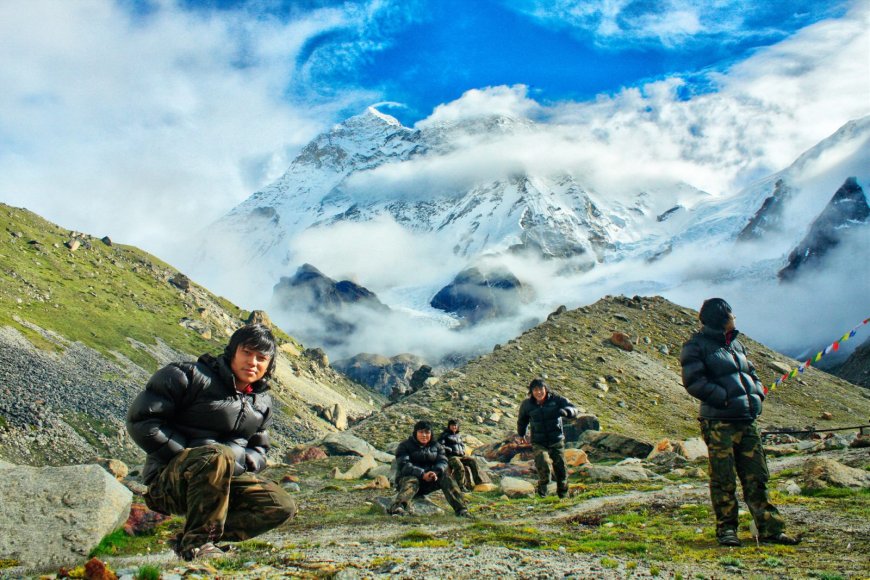
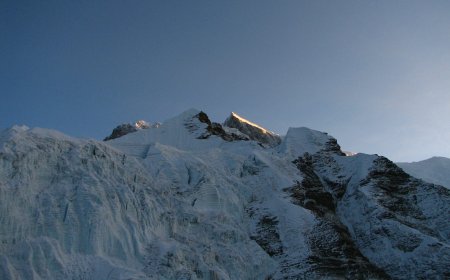
Makalu is the fifth-highest mountain in the world at 8,485 metres, and the trail to its base camp is not the sort of trek you decide on over a Friday evening. The mountain sits inside Makalu Barun National Park, mostly in Sankhuwasabha district and spilling over into Solukhumbu, and the route asks for more time, more patience and more self-sufficiency than the popular teahouse trails further west. So how difficult is the Makalu Base Camp trek really? Ask five people who have walked it and you will get five answers. What follows is a breakdown of the things that actually decide it, rather than a score out of ten.
The four factors behind Makalu Base Camp trek difficulty
Almost everything that makes this route demanding comes down to four things: how far you have to travel just to reach the trail, how your body handles the altitude, how many days you can give it, and the ground and weather underfoot. Each one is manageable on its own. Together they stack up, which is why the trek has a reputation.
Getting there is half the problem
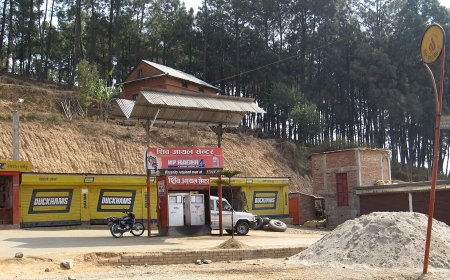
Remoteness is the first hurdle, and it starts before you take a single step. Most trips begin with a short flight from Kathmandu to Tumlingtar, followed by a long, bumpy road journey into the hills. That transfer alone can eat a day or more, and delays on domestic flights in Nepal are normal rather than exceptional.
Once you are walking, the pattern is different from the Everest or Annapurna highways. Lodges are simpler and thinner on the ground, menus shrink, and there are stretches where your only option is what the nearest household has in the kitchen. If something goes wrong, you cannot walk an hour to the next village and find a well-stocked shop or a spare room. I would rate remoteness here as high, and it is the factor most likely to catch out trekkers who are fit but inexperienced.
Altitude: a slow climb with few places to hide
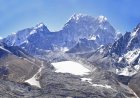
The route climbs out of the Arun valley through Tashigaon, crosses Shipton La at roughly 4,125 metres, drops into the Barun valley and then works its way back up past Yangri Kharka and Langmale towards base camp, which sits at about 4,870 metres. Published heights for both the pass and the camp vary a little between sources. The shape of the walk does not: you gain height, lose a chunk of it, then have to earn it back. That up-and-down profile is harder on the body than a steady staircase.
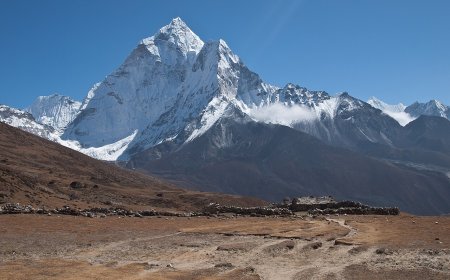
For comparison, Everest Base Camp on the south side is listed at 5,364 metres, so Makalu's base camp is not dramatically higher. The difference is support. On the Everest route there are villages, lodges and other trekkers almost every night, and it is easy to take an extra rest day when a headache sets in. On the Makalu approach, adding a day often means sitting in a cold room with nothing to do, and that psychological pressure pushes people to keep moving when they should not. Treat altitude as a high-risk factor and build spare days into the plan.
How many days you actually need
Common itineraries run somewhere between roughly two and a half and three and a half weeks door to door, with something like twelve to sixteen days of actual walking. The spread is wide because agencies package the road sections, flights and rest days differently, and because some groups take the return leg faster than the walk in.
My honest read is that days on trail are the moderate-to-high factor. The daily distances are not brutal by Himalayan standards, but the total is long enough that you need real holiday time, not a week snatched between work commitments. If you only have ten days, this is the wrong trek.
Terrain, weather and the Barun valley
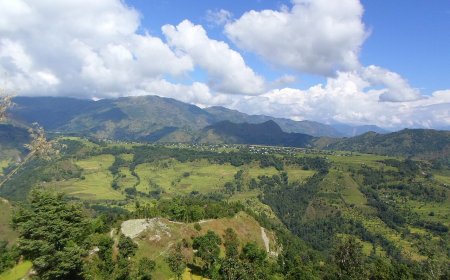
This is rough country. Expect landslide sections, log bridges, boulder fields, bamboo and rhododendron forest lower down, and moraine near the top. Nothing is technically difficult, but the surface is uneven for hours at a stretch, which punishes ankles and knees more than a smooth path ever would.
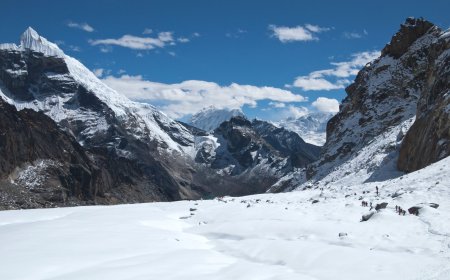
The weather window matters too. Spring and autumn are the usual seasons. The eastern hills catch a lot of monsoon rain, so a July or August attempt means leeches, cloud and slippery ground, while winter can put snow on the high sections. I would call terrain and weather a high factor simply because there is little shelter when conditions turn.
Makalu versus Everest Base Camp: what actually changes
The two treks are often compared, and the comparison is useful if you keep it specific. Everest Base Camp is usually walked in 12 to 14 days from Lukla, has far more lodges and fellow trekkers, and reaches 5,364 metres with a well-worn routine behind it. You can see the full picture in our Everest Base Camp trek guide. Makalu takes longer to reach, offers fewer beds and much less backup, and asks you to carry more of your own resilience.
Altitude-wise they are closer than people assume. The real gap is remoteness and support. Many agencies and returning trekkers describe Makalu as the harder of the two for exactly that reason, and it is often listed among Nepal's tougher major treks, though that is opinion rather than a measured ranking. Fit, experienced walkers sometimes find Makalu more enjoyable precisely because it is quiet.
Preparation that earns its keep
Build fitness with long hill days carrying a pack, not just gym sessions. Prior experience sleeping above 4,000 metres helps more than any supplement. Get insurance that explicitly covers helicopter evacuation at trekking altitude, and read the small print about the maximum height covered. It is also worth reading up on altitude sickness before you go, so you can recognise the symptoms in yourself and in the people you are walking with.
Paperwork is usually arranged through a licensed agency in Kathmandu. Park and trekking permit requirements do change, and so do the rules on guides and porters, so confirm the current position for Makalu Barun with your operator rather than relying on an old blog post. Our overview of Nepal trekking permits is a reasonable starting point for the questions to ask. Carry enough cash for the days when card machines and ATMs are simply not there.
So how hard is it? On a good day with good weather and a sensible pace, it is a long, beautiful walk. On a bad day it is a remote, cold, grinding route with few escape hatches. Give it the days it deserves, train for the hills, and it stops being frightening and starts being memorable.
This trek probably isn't for you if...
You have less than two and a half weeks to spare, including travel to and from the trailhead. You have never slept above 3,000 metres and have no appetite for a slow, cautious acclimatisation schedule. You want hot showers, a menu to choose from and the option of a quick exit when the weather turns. None of that is a character flaw. It just means a different valley, and there are plenty of good ones.
What's Your Reaction?